Why Battlefront 2 pay-to-win feature, pulled after gambling accusations, is not alone in testing players’ purse strings
The latest Star Wars game dropped player-enhancing in-game purchases after a huge public backlash, but with games from Overwatch to Call of Duty already popularising the concept of microtransactions, more experimenting will come

Imagine buying a new chess set. Chess is your favourite game. Also you love Star Wars. It’s a Star Wars chess set!
Now imagine playing your friend who spent US$200 for the random chance that his pawns obtain the board-clearing powers of a queen. Plus his king looks like Darth Vader and yours still looks like a scruffy-looking nerf herder.
Why I spent thousands of Hong Kong dollars on a ‘free’ mobile game
You might get mad. Or you might up the ante and spend a few hundred bucks to even the odds. Now imagine that you’re both children.
These are some of the questions that have been gripping the video game industry in a controversy leading up to the recent release of Star Wars Battlefront II, this year’s marquee Star Wars title timed to coincide with Disney’s highly anticipated The Last Jedi film next month.
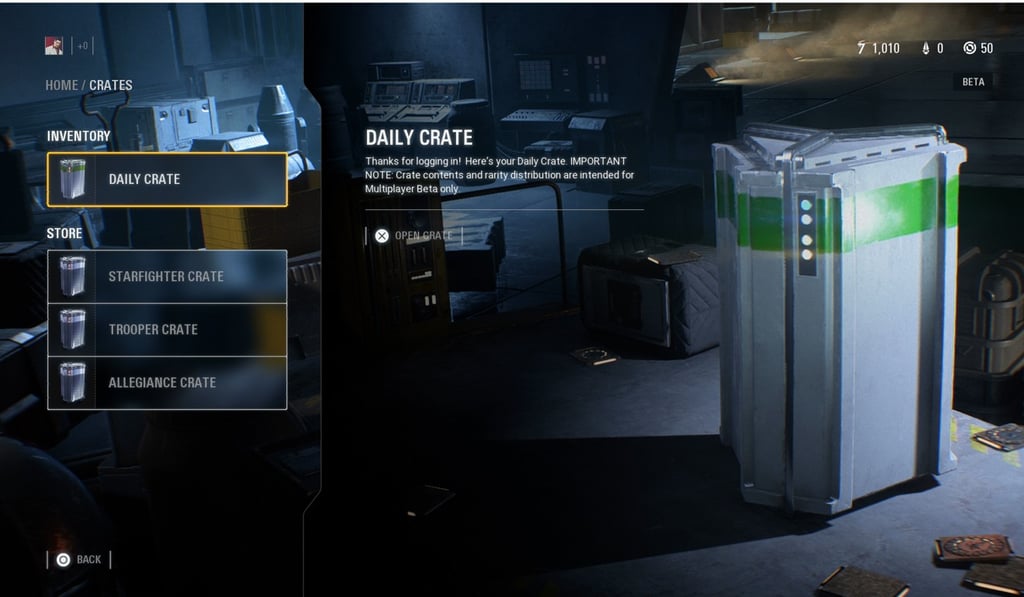
It all started a month ago, when the game’s publisher Electronic Arts (EA) showcased that Battlefront II would have a “loot box” system in place for players. On top of the US$60 to US$80 retail price, the game was going to allow players at home to spend more money on digital “boxes”, which can give you random extra benefits.