How digital streaming crowds out older movies and art-house films and threatens film and video history
Netflix and Amazon Prime offer large catalogues of popular films and TV series for subscribers to watch, but catering to the masses means old classics and art-house films are being ignored and movie buffs fear they may disappear

There isn’t much not to like about streaming video. Subscribe to Netflix or Amazon Prime, and you can choose from thousands of film and TV titles with the press of a button. No VHS tapes to get chewed up by a tape player, no DVDs to clutter the living room and collect dust and scratches. Whole seasons of TV series ready for binge viewing. This is entertainment technology at its best.
Or is it? Film historians and film buffs would beg to differ. For them, the rapidity with which streaming has supplanted discs and tapes as a viewing mode is a bug, not a feature. As the mass audience gravitates toward the big streaming services, those services have more incentive to focus their streaming inventory on recent and self-produced titles.
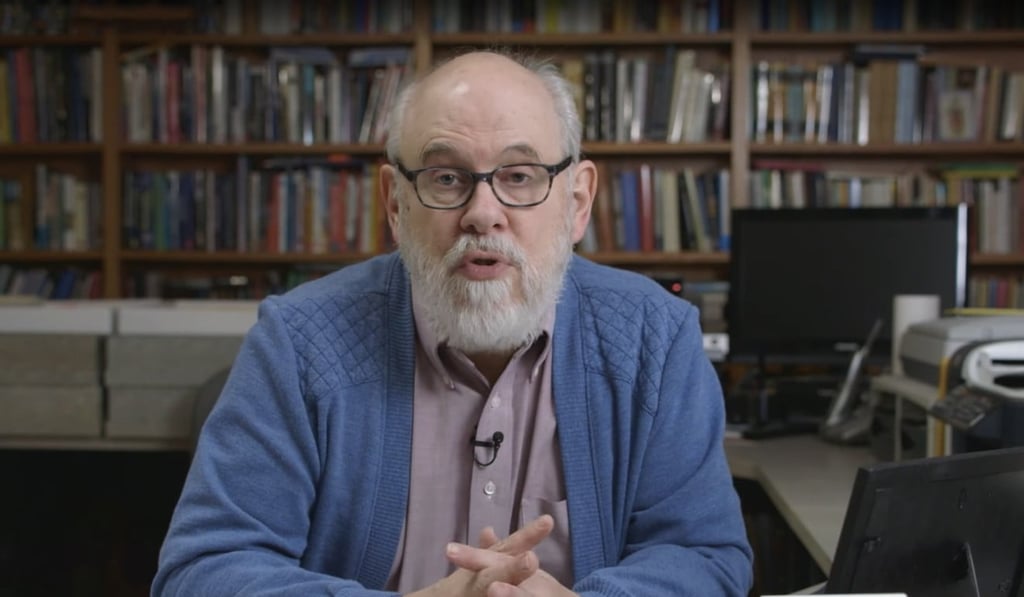
For classic film buffs, the golden age may have been the 1980s, when the rapid spread of VHS tape players awoke major studios to the commercial potential of marketing their back catalogues for home viewing. The trend continued through the DVD era – Warner Bros, Universal, and Disney were especially notable preservers and marketers of their archives – but it may be fading as physical discs fall out of favour.
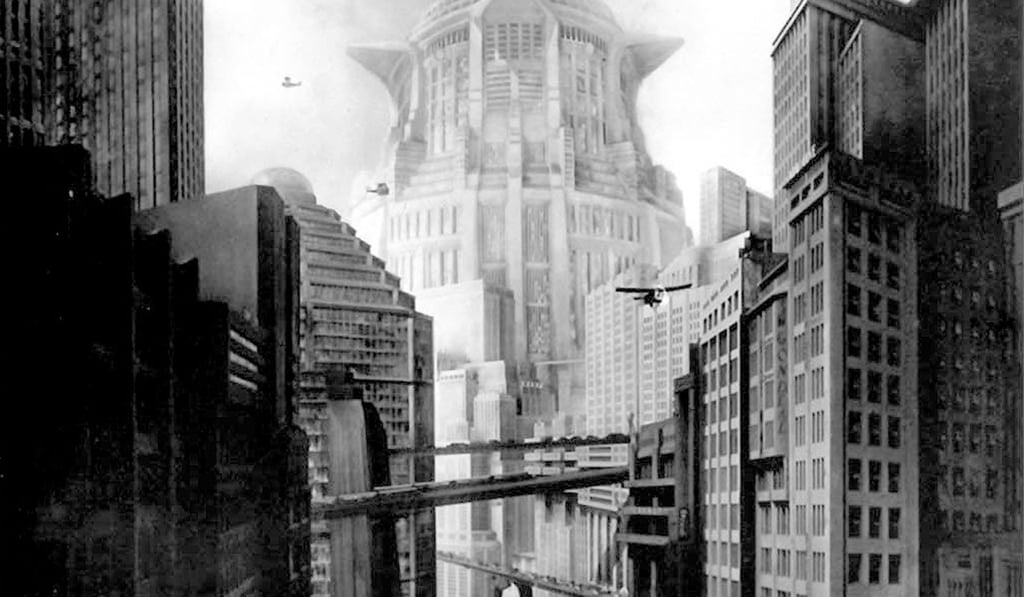
There’s a sense of super abundance, but there are lots of important films that are not available
As the big streaming services increasingly define themselves as purveyors of mass market fare, the way that many film buffs first discovered the glories of cinema history – through serendipity – is evaporating. Several services have sprung up online to serve the classic film buff audience, but they have to be sought out by those with a pre-existing interest in the field – and they each require a separate subscription.