How Hong Kong was Asia base for war photographers: exhibition shows their work from Vietnam, Korea and Sino-Japanese wars
Before digital media, photographers had to get into war zones, risk their lives to get the shots, then get the photos and reels flown out to the agencies. During the Sino-Japanese, Korean and Vietnam wars, Hong Kong was a popular staging point for these intrepid men, many of whom met with violent deaths

There are many clichés and glamorous misconceptions about war photography, but the unarguable fact is that many of those who pursue it meet a violent and premature death.
“Braving Untold Dangers”, an exhibition at the Hong Kong Museum of Coastal Defence, which runs until April 30, traces the history of war reporting and highlights some of those at the vanguard of photojournalism in Asia.
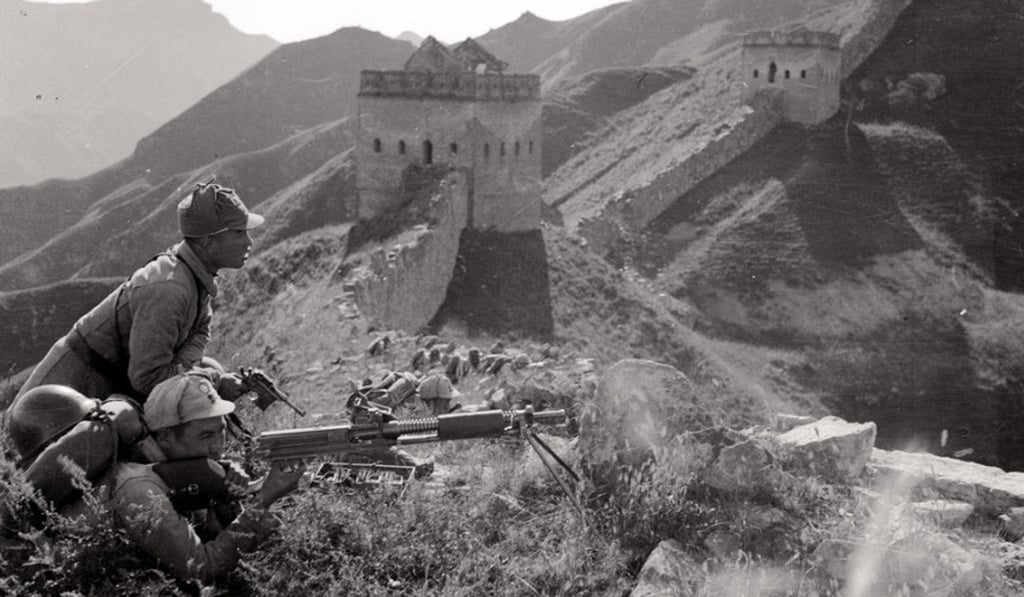
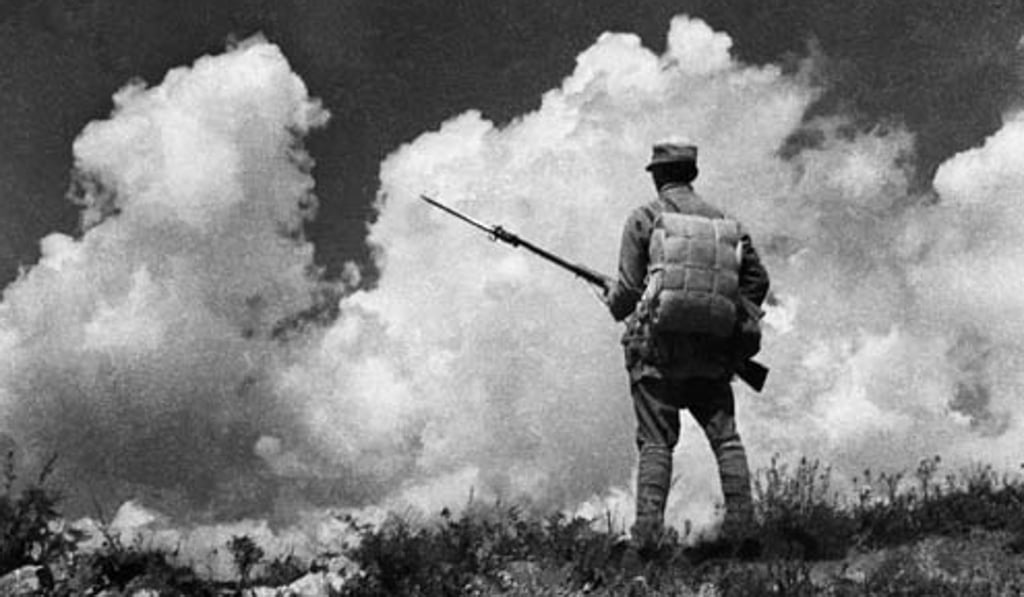
Capa is perhaps the most famous of all war photographers and arrived in Hong Kong in February 1938 to work on the same conflict. He was widely regarded as something of celebrity, who flew first class into war zones and was rumoured to have had romantic affairs with Hollywood starlets. He was killed by a landmine in Vietnam in 1954.
Hong Kong developed a long and proud association with war photojournalism in Asia, and acted as a base for those dispatched to cover the Sino-Japanese war, Korean war, Vietnam war and other conflicts in the region. After the second world war, the city became a centre of war photography.
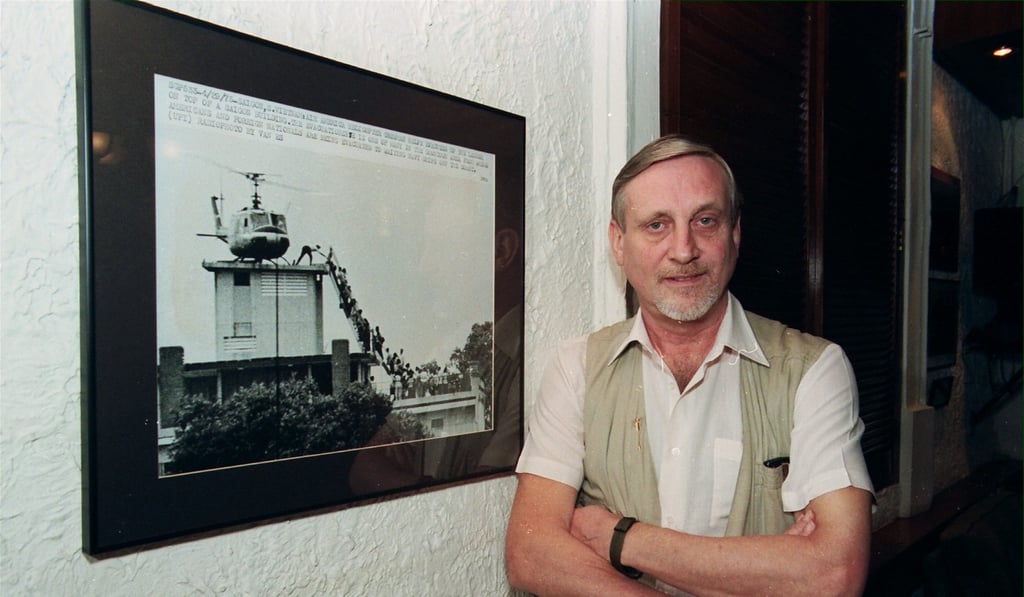
He was president of the FCC for some years and died in 2009. The photo wall in the main bar, on which leading press photography is exhibited, is named in his honour.