Islamist militant prisoners freed in Indonesia turn a new leaf via schemes to change their radical beliefs and return them to society
Non-profit and state groups work to deradicalise jailed Islamists militants and empower them to make an honest living, but critics say such schemes fail to reach hardliners and many who take part had already abandoned radicalism

Arifuddin Lako never had formal training in filmmaking, but in February he released a 40-minute film in the Indonesian capital, Jakarta.
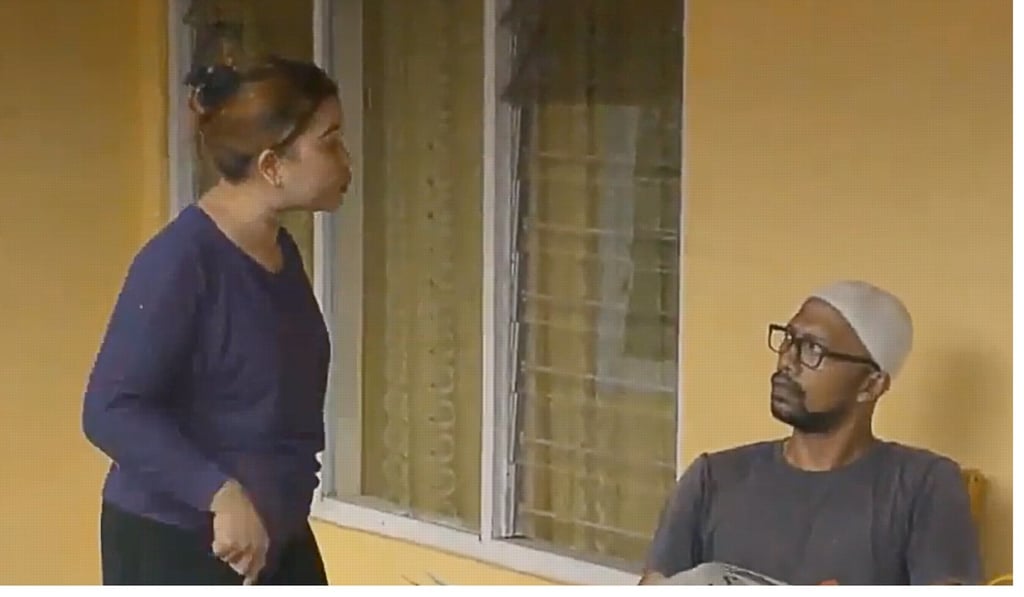
Titled Jalan Pulang (The Way Home), it tells the story of an Islamist militant combatant and former prisoner’s attempts to repent for his past mistakes. The story draws on Arifuddin’s personal experiences. Also known as Iin Brur, Arifuddin is a former militant.
Now 40, he grew up in Poso, in Indonesia’s Central Sulawesi province. In 1998, just after he graduated from high school, a violent conflict erupted in Poso between Muslim and Christian communities, resulting in about 1,000 deaths.
Indonesian domestic helpers on sex abuse, slavery-like conditions they endure working overseas
“At that time, there were riots and chaos in Poso,” Arifuddin recalls. “I had to leave the family home. I just wanted revenge.”
In 2000, Arifuddin started attending Koran reading sessions, and joined a group that offered military training in the jungle. Arifuddin believed Poso was at war, so it was justifiable to attack and kill the enemy in self-defence. He didn’t realise at the time he had become a member of JI.
Arifuddin found himself on a police wanted list in 2006, after he and associates executed a prosecutor involved in a trial related to the Poso conflict. As a result, he fled to Palu, the capital of Central Sulawesi. After almost three years in hiding, Arifuddin yearned to see his parents again, and began to regret his actions.