LGBT rights in ‘new’ Malaysia still have a long way to go after activists’ portraits are removed from photo exhibition
A government minister’s order to remove the portraits of LGBT activists from show during Penang’s George Town Festival indicates ingrained conservative views will not change overnight

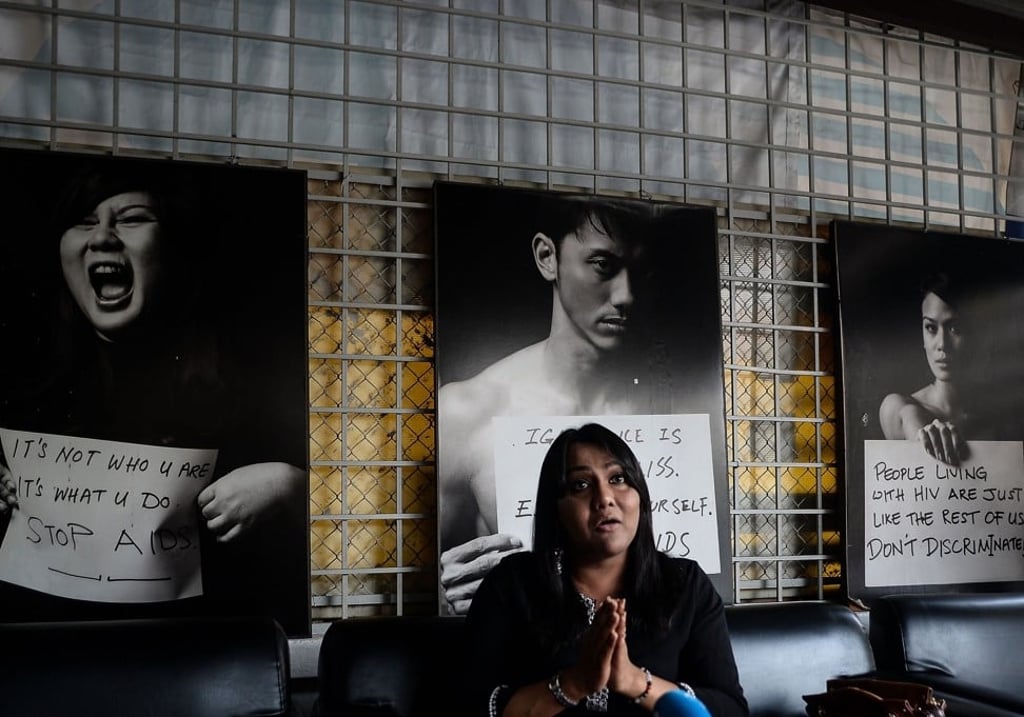
At Penang’s George Town Festival, one of Malaysia’s largest annual cultural events, the “Stripes and Strokes” photography exhibition was supposed to portray a mature Malaysia.
But a government minister ordered the portraits of two prominent local LGBT activists removed from display. The minister’s intervention in the event last month triggered a bout of soul searching about the state of human rights and personal freedoms in the country, one that reached the top echelons of power.
In Mahathir’s Malaysia, no gay rights and no free speech
Homosexual acts are illegal in Malaysia and there are no laws to protect individuals from being discriminated against on grounds of their sexual orientation and gender identity.
Like many former British colonies, Malaysia inherited a section of the penal code that criminalised homosexual activities. Unlike many other Commonwealth nations, however, Malaysia retains and enforces Section 377. Under the law, sodomy is punishable with a jail term of up to 20 years and whipping. However, the law has been unevenly enforced.
Popular politician Anwar Ibrahim was convicted and imprisoned for sodomy twice, in what were widely regarded as politically motivated trials. He was pardoned after the Pakatan Harapan, or Alliance of Hope, coalition he leads gained power in the May general election.
Under the previous Barisan Nasional government, the federal Department of Islamic Development Malaysia and state Islamic institutions organised conversion therapy camps to “change” LGBT people’s sexual orientation and gender identity. The transgender community – more visible – bore the brunt of such policies.