If Hong Kong has rejected the new economy, what can it bring to China’s Silicon Valley?
Hong Kong is beset by vested interests, prosecutes Uber drivers, opposes Airbnb and rejects renewable energy, say critics who question its role in China’s 11-city Greater Bay Area project

Government officials continue to extol the virtues of Hong Kong’s exciting hi-tech future within the Greater Bay Area – China’s Silicon Valley in the country’s southern Pearl River Delta – but critics question how much strategy there is beyond the political hyperbole.
Chinese President Xi Jinping sees Hong Kong and Shenzhen as forming a hub of logistics and innovation within the Greater Bay Area – comprising Hong Kong, Macau and nine cities in China with a combined population of 68 million and gross domestic product of US$1.3 trillion – which planners envisage as one giant world-leading innovation powerhouse.
There is no lack of enthusiasm in government and big business circles about the concept, but some experts are raising concerns about the lack of detail.
“Government keeps coming back to more buildings and bigger science parks, but they need to talk to start-up companies about what they really need,” says Dr Collin Wong Wai-hung, associate professor at the Hang Seng Management College in Hong Kong, who co-authored a major report on logistics and trade facilitation in the Greater Bay Area, published in November last year.
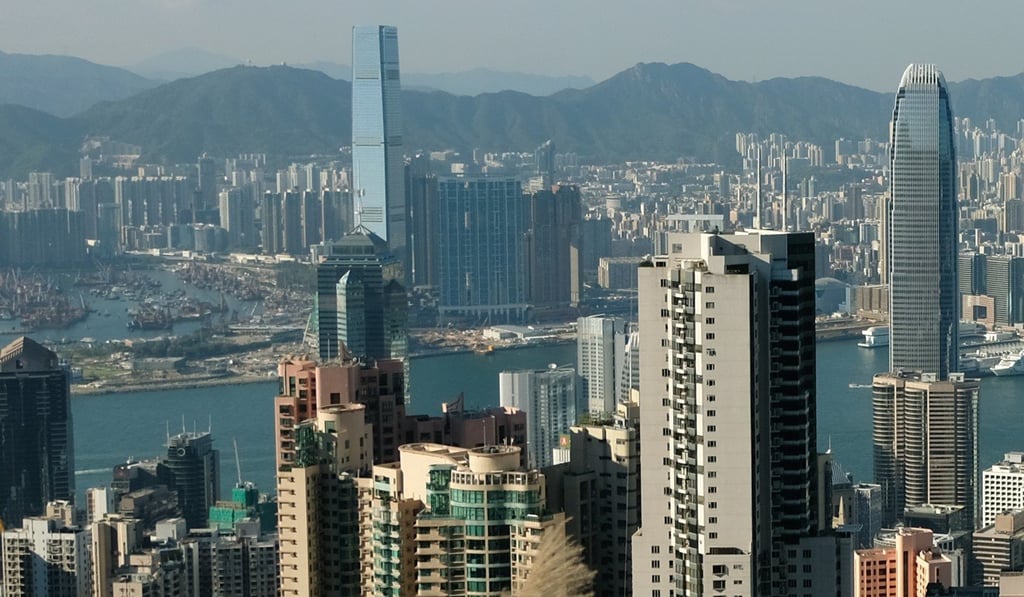
In July, Hong Kong Secretary for Constitutional and Mainland Affairs Patrick Nip Tak-kuen set an ambitious target of 2022 for the Greater Bay Area plan to be realised, and for the city to start reaping the benefits. But as the clock ticks, Wong and others think key opportunities are being missed.
“Smart cities” such as Shenzhen have earned a glowing international reputation for innovation, hi-tech manufacturing and for embracing the online sharing economy. Hong Kong’s rapidly growing neighbour already hosts giant technology companies including Tencent, an internet services company, Huawei, a telecommunications equipment and smartphone manufacturer, BYD, an electric vehicles manufacturer, and ZTE, another telecommunications equipment and devices manufacturer.