Chinese resettlement villages in Malaysia get a facelift, 60 years after the first ‘temporary’ settlements sprang up
- Built during the Malayan Emergency to separate Chinese from communist insurgents, ‘new villages’ today house 1.2 million people
- Community projects by artists, designers and architects are under way to revive and improve them

Look on a map and Kampung Cempaka new village appears indistinguishable from the rest of Petaling Jaya, a satellite city adjoining Malaysia’s capital, Kuala Lumpur. But Theresa Lim says she would never swap her “village” home for city life.
“We are probably the only new village in this part of Petaling Jaya,” says Lim. “If we don’t do anything, the original flavour of the village and the houses will be gone.
“We want to preserve its original features, including our Cantonese-Xinhui culture and food.” Most of Kampung Cempaka’s residents trace their roots to Xinhui in Guangdong province, southern China.
Lim is an enthusiastic supporter of projects designed to give new life to the urban village and preserve the memories of its older residents.
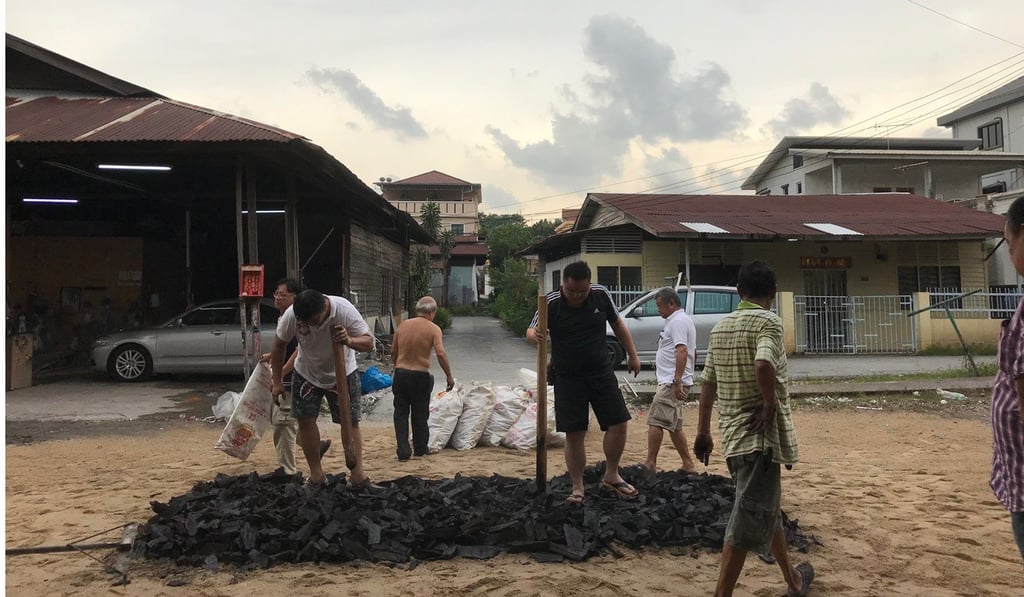
Kampung Cempaka is one of more than 600 so-called Chinese new villages across Malaysia – relocation settlements for Chinese on the Malay Peninsula initially built by the British colonial administration during the Malayan Emergency to cut them off from communist insurgents.
They were never meant to be anything other than temporary, but the settlements – called Xin Cun in Chinese and home to 1.2 million people – have become a fixture of Malaysia’s urban landscape. Now, 60 years after the first of these new villages was built, many are in decline. Younger residents have moved out, leaving an ageing population.