Rich-poor gap in Vietnam epitomised by Hanoi’s Old Quarter, where people live in poverty next to banks and boutiques
- In Hanoi’s moneyed commercial centre, corporate HQs and luxury shops sit steps from the homes of people living in tiny rooms too small to stand up in
- After the Vietnam war ended in 1975, people were given small spaces to live in with the hope of larger housing in the future – dreams that never came true
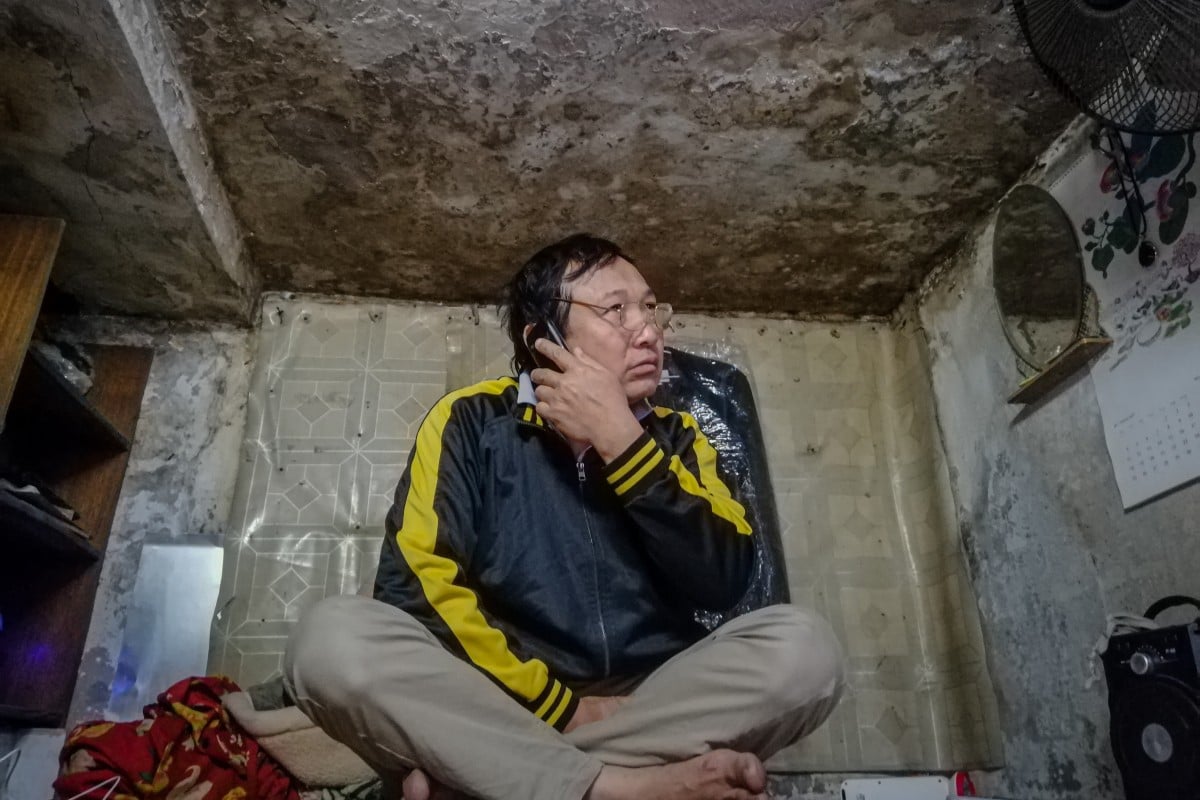
“If anyone offered me a bigger house in exchange for my leg, I would give it to them in a heartbeat,” says Vietnamese delivery man Hoang Van Xuan, a 56-year-old who lives in a tiny decrepit attic in Hanoi, in the moneyed commercial centre known as the Old Quarter.
Down the area’s picturesque and gentrified streets that tourists love so much there are many residents living in abject poverty in tiny coffin-sized spaces like Xuan’s.
His 5-square-metre (54-square-foot) attic is so small he can’t stand up straight inside. Mould grows on the walls and flimsy metal sheets protect his pillow from the damp. There’s no bed. A rose-printed blanket, his only bedding, is spread over a worn-out mattress.
“There’s no door or lock,” Xuan says. “If thieves get in it’s only a waste of their time because I have nothing valuable.”
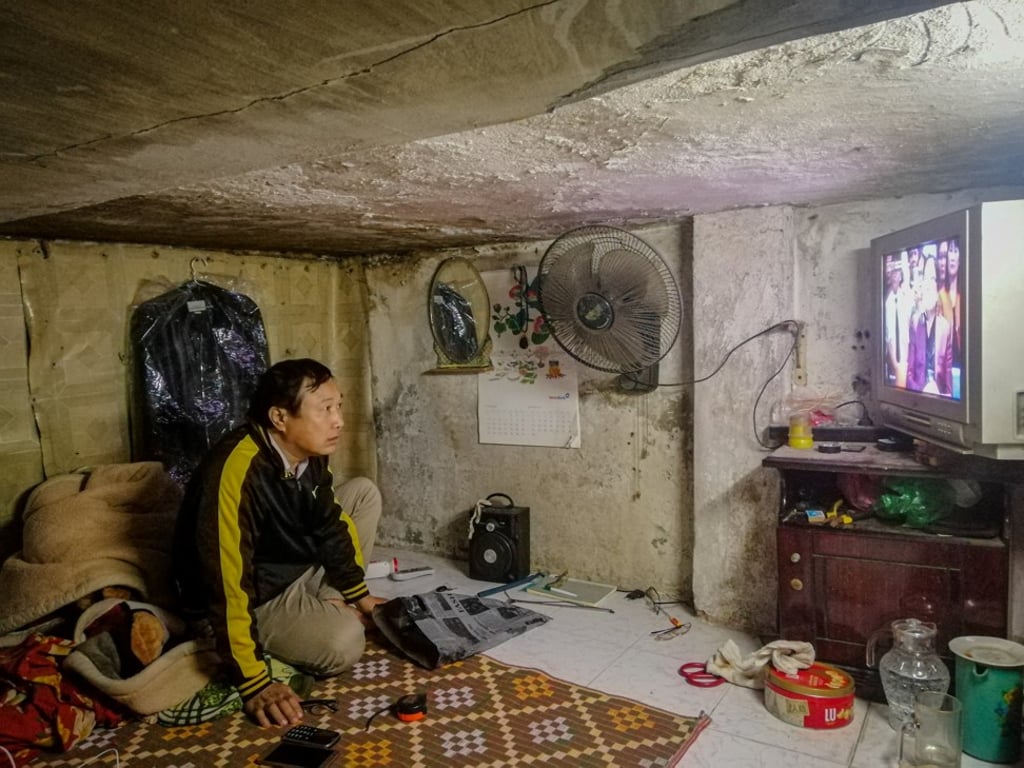
The Vietnamese capital’s famed Old Quarter comprises 36 streets north of Hoan Kiem Lake that date from the feudal era, before 1945, with each of the thoroughfares dedicated to a different trade or craft. There are streets where businesses focus on shoes, toys or paper votive offerings, for example, but in recent years many Hanoians have become more entrepreneurially ambitious.
Commerce has flourished in the capital in the four decades since the Vietnam war ended. In the Old Quarter, gleaming office towers occupied by banks and corporate headquarters sit alongside the beckoning windows of hotels, luxury boutiques and other shops selling shoes, silk, jewellery, crafts, traditional herbs and the city’s culinary delicacies.