With Singapore emerging as space technology hub of Southeast Asia, we talk to scientists, inventors and ‘astropreneurs’ in the Lion City
- Space travel and satellite launches, once limited to the superpowers, are now being driven by tech start-ups and entrepreneurs
- Singapore is becoming a space hub, with investors backing tech start-ups, rocket scientists and electronics wizards

With Elon Musk’s SpaceX shuttling Nasa astronauts to the International Space Station and Virgin Galactic planning to begin commercial flights next year, space has never been more accessible.
For the business-minded, it’s never had more commercial potential. Around US$3.25 billion was invested in space start-ups in 2018, while a 2020 report by Morgan Stanley predicted the space economy could be worth up to US$1.1 trillion by the 2040s.
Space was once the exclusive domain of superpower space agencies, but now entrepreneurs and tech-savvy start-ups are pushing the extraterrestrial boundaries.
The space industry is opening up new frontiers in Southeast Asia, with Singapore fast emerging as a regional hub for a growing tribe of scientists, inventors, designers and so-called astropreneurs with their sights set firmly on the stars.
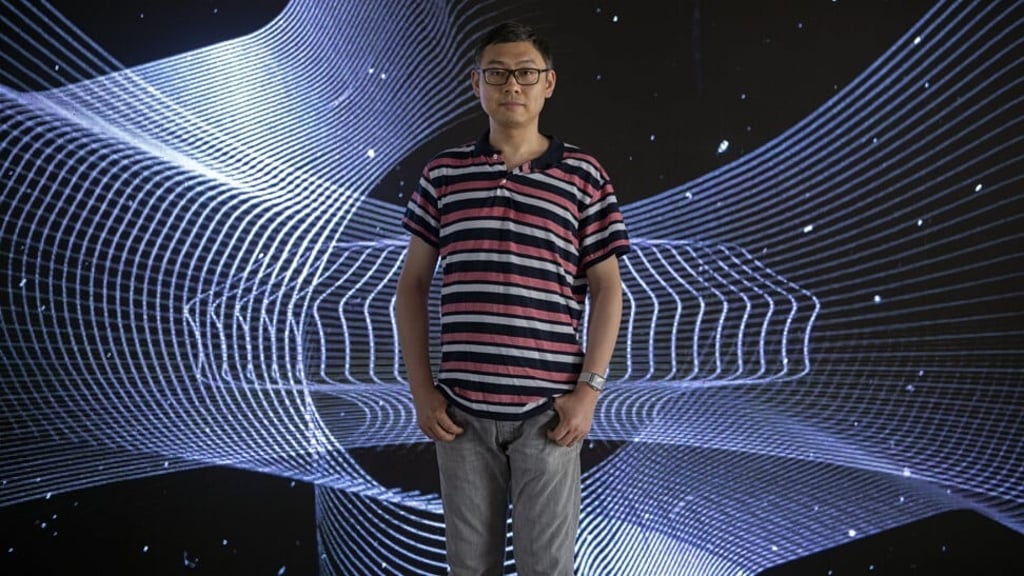
A recent arrival is Zero-Error Systems (ZES), which in October was funded to the tune of US$1.85 million by a group of investors that includes Airbus Ventures, the venture capital arm of European aeroplane manufacturing consortium Airbus.