The dogs on the front line of wildlife conservation, from sniffing whale droppings and detecting invasive species to fighting off predators
- From tracking rare or invasive species to protecting animals from predators, dogs pay a vital role in conservation
- Their incredible sense of smell means they can detect anything from droppings to toxins and wildlife contraband

Dogs are not just man’s best friend. They also play an increasingly important role in wildlife conservation, protecting endangered species and habitats, finding alien invaders, and catching and deterring smugglers and poachers.
“Dogs can help in detecting sources of toxins in the environment, locating invasive plant and animal species, and search shipping containers for wildlife contraband,” says Samuel Wasser, director of the Centre of Conservation Biology at the University of Washington. They have been helping to track species as varied as snow leopards, koalas and gorillas by finding their droppings.
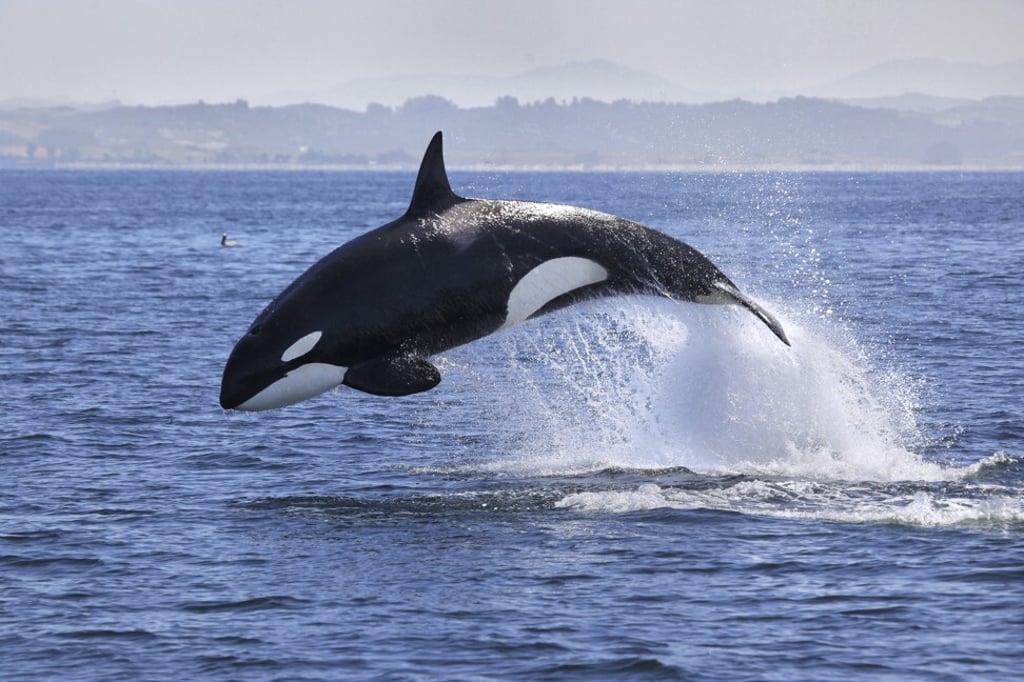
The university’s Conservation Canines (CK9) facility is home to 20 trained sniffer dogs, which have even been used to track killer whale droppings that float on the ocean surface for a limited amount of time.
“The CK9 programme has trained dozens of detection dogs over the past 23 years to detect predator and prey species in both terrestrial and marine habitats,” says Wasser. “Our primary focus is on pioneering new applications using detection dogs to address some of the world’s most pressing conservation problems.”
The university has developed more sophisticated methods of analysing the droppings, known as scat, to determine diet, genetics and the population health of wildlife.