Holocaust survivors take to Instagram, Facebook and Twitter to teach Gen Z, millennials about the Nazi genocide and death camps
- Participants in the #ItStartedWithWords campaign hope to educate young people about how the Nazis dehumanised Jews – years before death camps were established
- ‘We’re not actually dealing with numbers, they were humans who had a name, who had families’ says one survivor, whose father’s entire family were killed

Alarmed by a rise in online anti-Semitism during the pandemic, coupled with studies indicating younger generations lack even basic knowledge of the Nazi genocide, Holocaust survivors are taking to social media to share their experience of how hate speech paved the way for mass murder.
Six individual videos and a compilation were released over Facebook, Instagram and Twitter on April 7, and these will be followed by one video per week. The posts will include a link to a webpage with further resources, including more testimonies and teaching materials.
“There aren’t too many of us going out and speaking any more, we’re few in numbers but our voices are heard,” says Sidney Zoltak, a survivor from Poland who turns 90 later this year, in a telephone interview from Montreal, Canada.
“We are not there to tell them stories that we read or that we heard – we are telling facts, we are telling what happened to us and to our neighbours, and to our communities, and I think that this is the strongest possible way.”
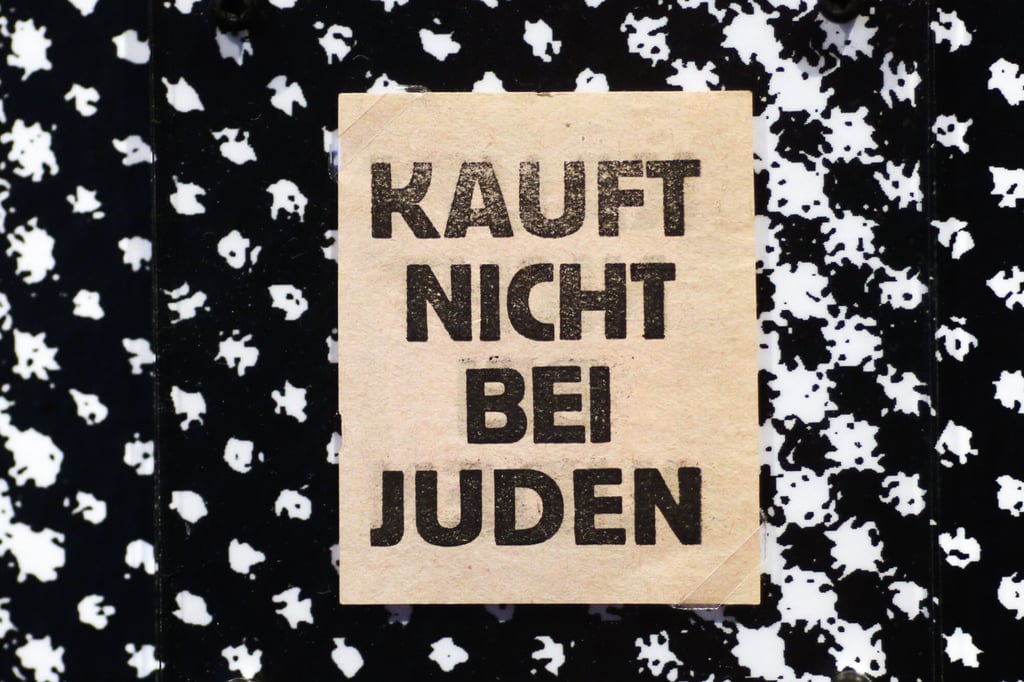
Once the Nazi party came to power in Germany in 1933, leaders immediately set about making good on their pledges to “Aryanise” the country, segregating and marginalising the Jewish population. In Nazi ideology, an Aryan is a white person of non-Jewish descent, preferably with blond hair and blue eyes.