
Amid new oil crisis, how the word ‘oil’ evolved from its food-based origins
With roots in olive trees and sesame, the word ‘oil’ is now found in several common sayings, including a Chinese phrase for encouragement

As the Middle East conflict escalates, someone says “oil” and we picture black rain after oil depot air strikes, or contemplate the largest supply disruption in the history of the global oil market.
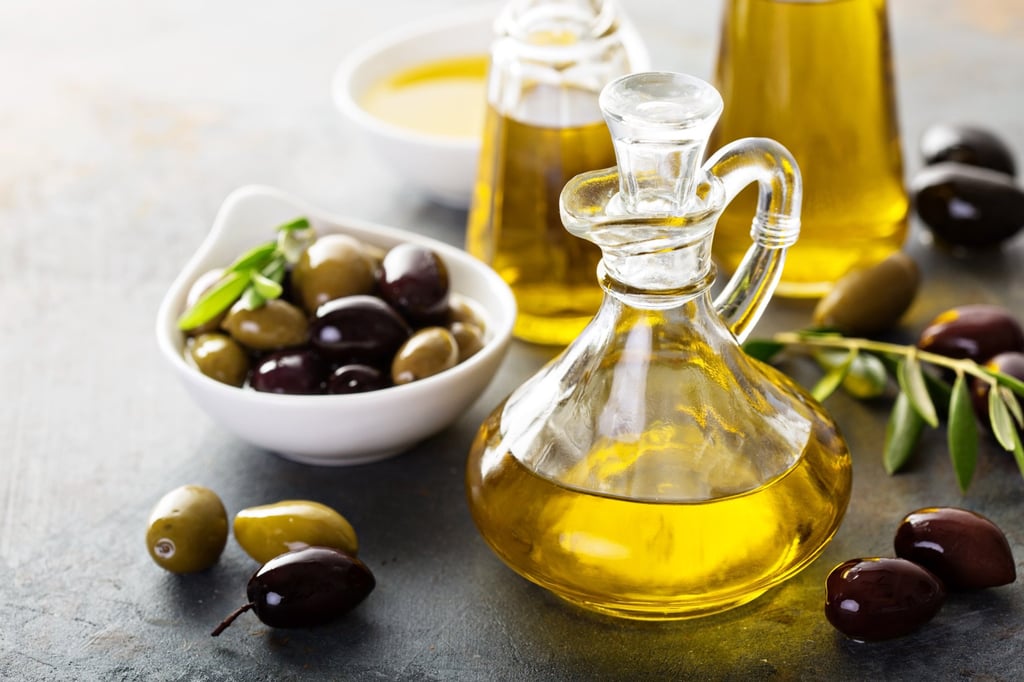
But the origins of the word “oil” are found in a different region – the Mediterranean – and in humans’ fundamental connection with nourishment: it is rooted in Greek ἔλαιον elaion, for “olive tree” or “olive fruit”, from ἔλαιο elaio for “olive”, from whence oil was derived.
In a similar vein, the word in Sanskrit – as well as other South Asian languages – for “oil”, तैल taila, can be traced to the oil of sesame तिल tila.
Nearly all other European languages’ words for “oil” are from Greek, for example, Central and Eastern Europe’s Hungarian olaj, Croatian ulje, Polish olej, Albanian uli and Lithuanian alejus. Celtic and Germanic words, however, came via Latin, giving, for example, Gaelic uill, Early Irish ola, Dutch olie, German Öl and Old English æle/ele.