Anger management
Nine Inch Nails frontman Trent Reznor hammers down the angst and ferocity as the band return to the stage
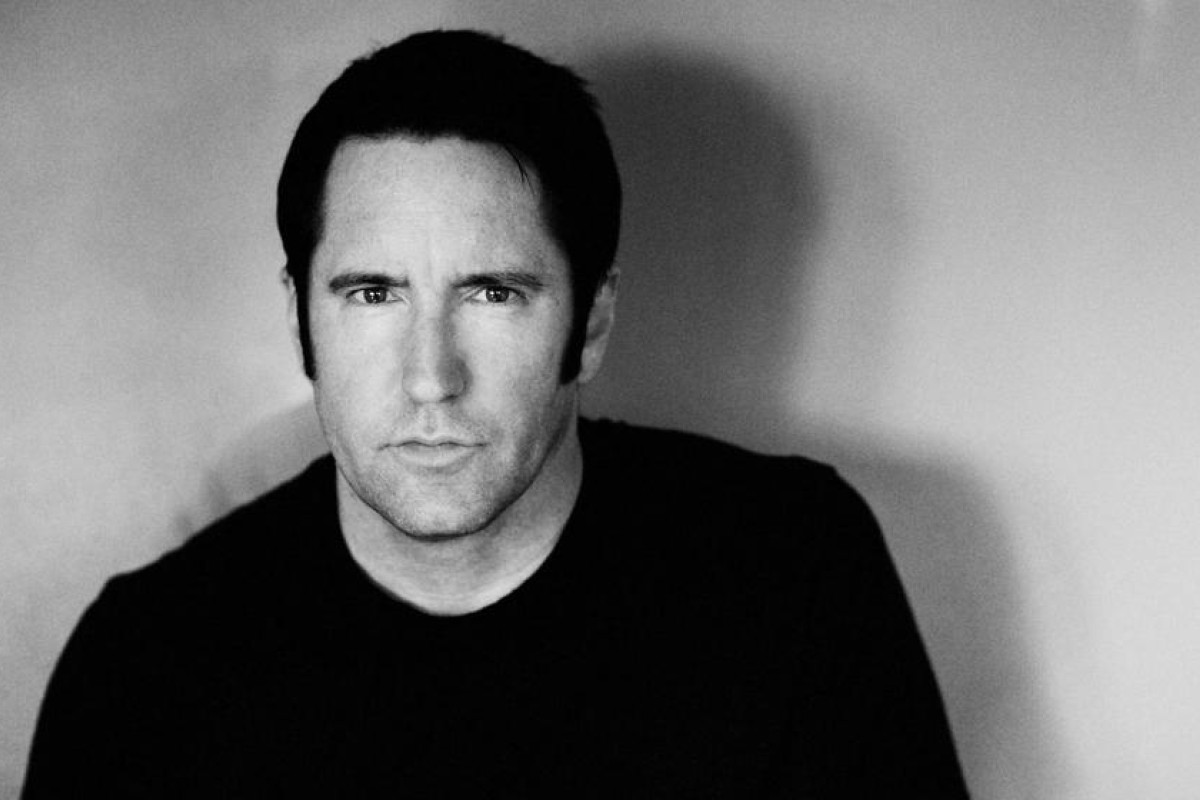
Trent Reznor was not happy. Sitting ramrod straight, dressed in a black T-shirt and black shorts, he was staring with grim concentration as his band, Nine Inch Nails, worked through their set in a full-scale production rehearsal at the Los Angeles Sports Arena.
Smoke, strobe lights and video screens on wheels restlessly reconfigured themselves as the band performed, without Reznor's lead vocals and instruments. Through song after song, his glare and scowl barely wavered; he'd look away only to tap notes into his laptop. After the band had run through the full set, he convened the musicians and technicians in a backroom, well away from a visiting journalist. "I don't like having to yell at people," he says the next day. "But I was letting them know the severity of the situation."
My incentive originally for making music was just a way to cathartically get this out
A lot had to shape up, and very soon. In the course of a day-long tech rehearsal, some of it would. Powerful stage lights would no longer wash out video screens; the speed and density of interactive displays featuring cascades of virtual particles would be adjusted; the "chaos" and "turbulence" Reznor and his art director, Rob Sheridan, wanted to arise in each song would be calibrated to their specifications.
In 10 days, Nine Inch Nails would be on tour for the first time since 2009, when Reznor had his band "disappear for a while", as he wrote on their website. And he was preparing for the release of Hesitation Marks, a new album that sounds radically different from the guitar-driven blasts of aggression the band released before the hiatus, on September 3.
Hesitation Marks - the term for the self-inflicted wounds of people contemplating suicide - veers towards the electronic and the pointillistic, and it reveals its anxieties and longings more subtly than much of the Nine Inch Nails catalogue. It looks back, from a distance of two decades, on The Downward Spiral, Reznor's 1994 masterpiece that contemplated self-destruction and suicide during a period of personal and career turmoil; it became Nine Inch Nails' musical and commercial breakthrough. It also, in the long run, will test how fans respond to a more grown-up Nine Inch Nails.
"I'm proud of it," Reznor says. "What fear I had - of 'What does Nine Inch Nails have to say in 2013?' - this is it. I don't feel like it's trying to force something into the wrong container."