Peter Paul Rubens' paintings are more show than substance, London exhibition affirms
Was Peter Paul Rubens, focus of a big London show, all style but little moral substance? Jonathan Jones takes a look

The first art blockbuster of 2015 will see Peter Paul Rubens riding into the Royal Academy of Arts, probably in a golden chariot pulled by four leopards with the muse of painting at his side, a bevy of plump nymphs hailing his triumph and the gods declaring his apotheosis from fire-fringed clouds.
The art of this Flemish painter - who decorated palaces and banqueting halls, went on diplomatic and spying missions, owned a landed estate and somehow found time to fill the Old Master galleries of the world with colossal canvases of boar and lion hunts, characterful portraits, epic history paintings and visceral sea monsters in the near 63 years he lived from 1577 to 1640 - is a world in itself. Rubens satisfied the horror vacui (fear of empty space) of a generation of absolutist monarchs.
From his cycle of 24 enormous paintings that celebrate the life of Marie de' Medici in the Louvre to his ceiling of the Banqueting House in London with its portrayal of James I being welcomed into heaven, Rubens is such a stupendous flatterer that you forget the overt cynicism of the propaganda and just wallow in his scintillating light, swirling space and swagging clouds.
But is Rubens, for all his inexhaustible brilliance, really the artist among artists the Royal Academy takes him to be? He used to be called "the Prince of Painters", its publicity reminds us. This old term of praise is, today, more like a warning light. Rubens moved in high society, a courtier as much as an artist. He is, ultimately, a supreme decorator who never touches profundity.
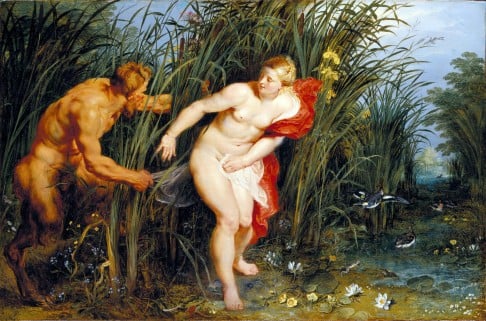
However many massed cherubs blowing trumpets of praise the Royal Academy puts on tube and rail posters in the New Year, he will never be a Rembrandt, Caravaggio or Velazquez. These three geniuses all lived in the same age Rubens dominated. But where he created seductive confections, they tell a more serious truth.