Film appreciation: Darren Aronofsky's Pi forged eccentric style
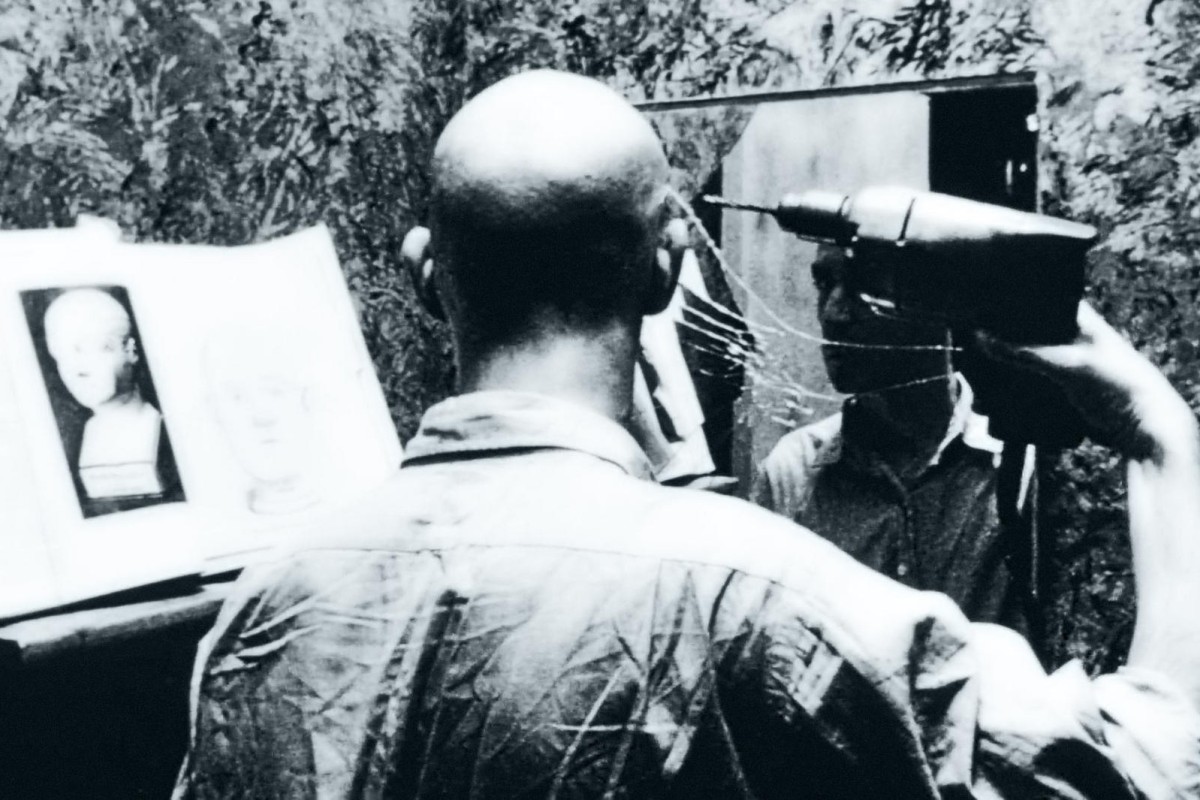
Darren Aronofsky's Pi is a grainy black-and-white indie shot for US$60,000 on the fly in New York. The filmmaker infuses the film with ideas - questions and conundrums that push it towards the realms of science fiction.

Sean Gullette, Mark Margolis, Ben Shenkman
Director: Darren Aronofsky
Can a filmmaker be considered a genius? It's a question film theorists have often debated, and one that's especially important, considering the fickle nature of movie critics. Directors Stanley Kubrick and Alfred Hitchcock seemed to have gone from being viewed as pretentious to being considered film masters overnight.
Few modern filmmakers fit that love-hate bill like Darren Aronofsky, who's made critically acclaimed films ( Black Swan) and polarising fare like last year's biblical epic Noah. That is perhaps fitting for a filmmaker whose ambitions often exceed his final product, and whose debut film examined the side effects of being a genius. Pi is a grainy black-and-white indie shot for US$60,000 on the fly in New York. Max is a paranoid, delusional recluse who happens to be a mathematical genius, spending much of his time building a supercomputer that ostensibly finds patterns in the stock market.
But the 216-digit number the computer randomly spits out one late night has piqued the interest of some important people, as the number has been linked to religious theories, patterns in the universe and the very nature of genius.
Pi came during a period for niche movies about computers, a distinctive period offset by the dreaded Y2K bug and a time when hackers were cool. On paper, its plot could easily pass for a late-'90s Jerry Bruckheimer blockbuster. But Aronofsky is smarter than that. He infuses the film with ideas - questions and conundrums that push the film towards the realms of science fiction.
Chief among them is the titular mathematical constant, a number simple and ideal, yet also immeasurable and absolutely arbitrary. The paradox it presents continues to confound theoreticians to this day and Aronofsky employs the enigma as a launch pad for his own philosophical inquiries.