This group is saving Tibetan traditional architecture from destruction and decay
- She is from Portugal, he is from Japan, and for 20 years the Tibet Heritage Fund they work for has restored Tibetan structures from Lhasa to Mongolia
- Team members often spend months at a time in remote spots and harsh conditions; they pass on skills to the locals they work with

The 1997 film Seven Years in Tibet follows the adventures of Austrian mountaineer and former Nazi SS officer Heinrich Harrer, who escaped a British prisoner of war camp in India and travelled more than 1,200km (750 miles) to Lhasa on foot and by yak at the tail end of the second world war.
It was in the Tibetan city that Harrer, played in the film by a fresh-faced Brad Pitt, met and became the 14th Dalai Lama’s English teacher and lifelong friend.
The Dougong: A nailless Chinese construction method
Harrer, who renounced Nazism before he died in 2006, wrote the 1952 book on which the film was based.
But to a group of contemporary Tibetan heritage experts, it is Peter Aufschnaiter, Harrer’s fellow escapee, who has the more memorable story. That’s because Aufschnaiter laid the groundwork for the group’s mission to rescue traditional Tibetan architecture and craftsmanship from the brink of extinction.
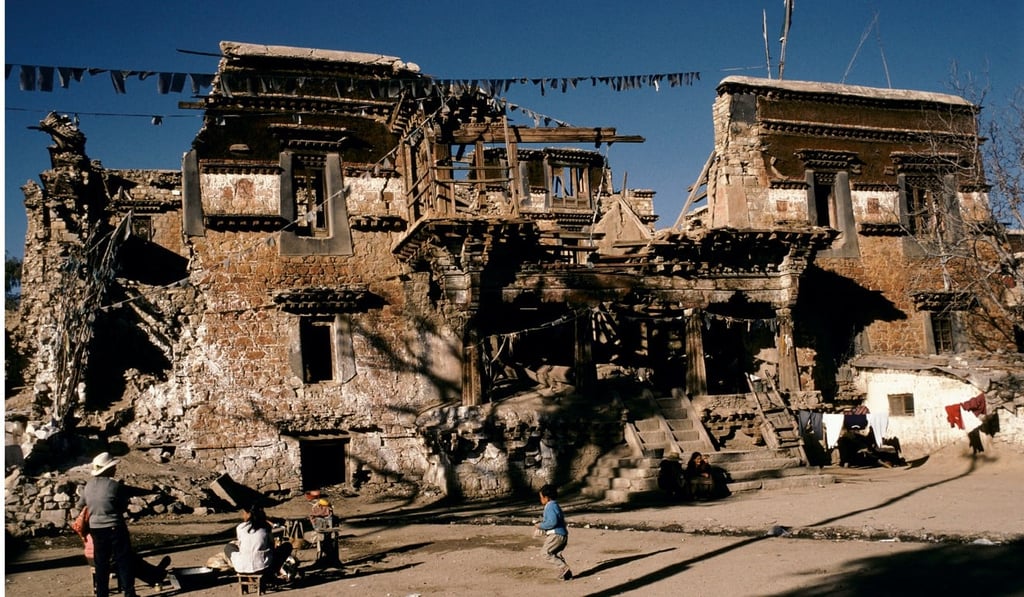
Aufschnaiter, an Austrian engineer and cartographer, had lived in Tibet before the war and spoke the language, helping him and Harrer pass safely into the region. He was hired by the Lhasa authorities to plan irrigation channels, conduct the first detailed survey of the city and produce a proper town map. He was forced to leave Tibet for good, however, after the Chinese army marched in and took over in 1950.
Nearly four decades later, in 1987, German backpacker André Alexander arrived in Lhasa on a first visit. As the young historian learned more about Tibet’s history, he became concerned at the rate at which old buildings were being razed. In 1993, he and a friend set up the Lhasa Archive Project to keep a record of the buildings before they disappeared. Their most important reference? Aufschnaiter’s 1948 map.