‘A different kind of freedom’: Afghanistan’s thwarted filmmakers and the new social order they imagined
- They hoped to contribute to their country’s awakening from semi-feudal slumber, but its communist rulers soon went from emancipation to repression
- Their unfinished films were rediscovered by archivist Mariam Ghani. She talks about What We Left Unfinished, her documentary on the films and their makers

When Mariam Ghani started working with state-run Afghan Film in 2011, her remit was daunting yet relatively straightforward. She was to help digitise the celluloid archives of Afghanistan’s national cinema institute and post them online alongside additional information gleaned from interviews with the cast and crew of the films.
With the international connections she has established through her career, the New York-born artist and archivist would organise screenings of these Afghan films at universities and museums around the world, and would advise the institute and help it secure equipment or supplies using money earned from these screenings.
“The initial impulse to digitise came from within the archive – they just lacked the expertise and the funding, and those were the things I tried to help them obtain,” she says. More than 90 films have so far been uploaded to a portal on the public access digital media archive, or Pad.ma for short.
Ghani returned to Afghanistan in 2002 with her anthropologist father Ashraf Ghani, who went on to become the country’s president in 2014. She describes herself as “a second-generation exile who is simultaneously the ultimate political insider”.
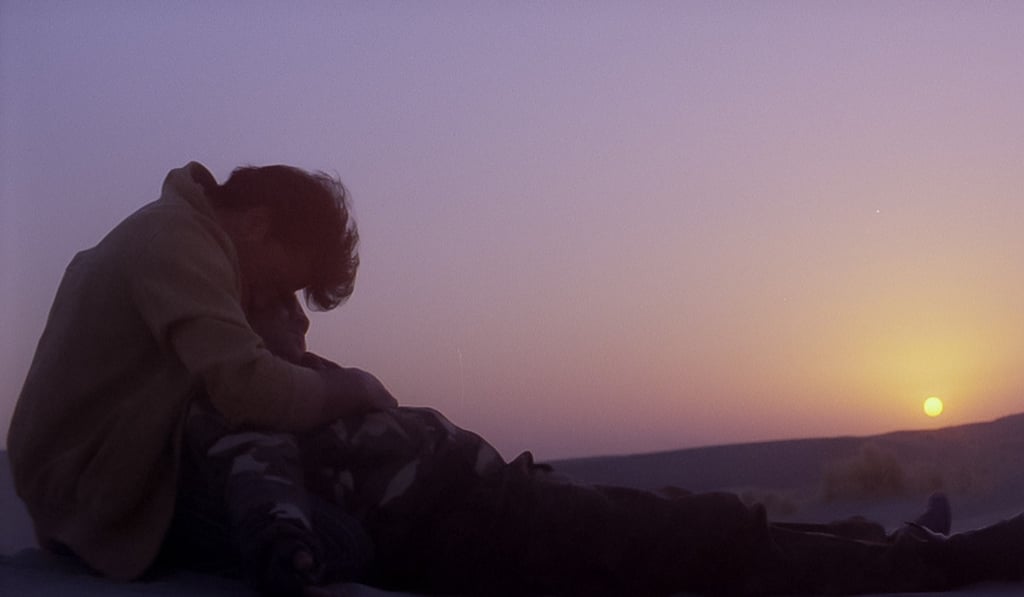
Her mission soon took a turn into the unknown. While watching footage of a coup in Afghanistan in April 1978 with Ghani, filmmaker Latif Ahmadi asked her where she got it from. Taken aback when he learned it was from his own 1984 film Escape – a fictional feature depicting the perilous flight of Afghani intellectuals from their homeland after the leftist-led uprising in 1978 – Ahmadi confessed he had “recycled” these images, which he originally shot for an unfinished film.