How Chinese design went from naive to world-class, and why it shouldn’t undersell itself
- Emerging-talent spotter Ross Urwin, of Design Shanghai fair, has seen first hand how dramatically Chinese design has matured over the past five years
- The 15° Chair by design duo Above is a perfect example; the only surprise for Urwin was its US$300 price tag – did they miss off a zero, he asked
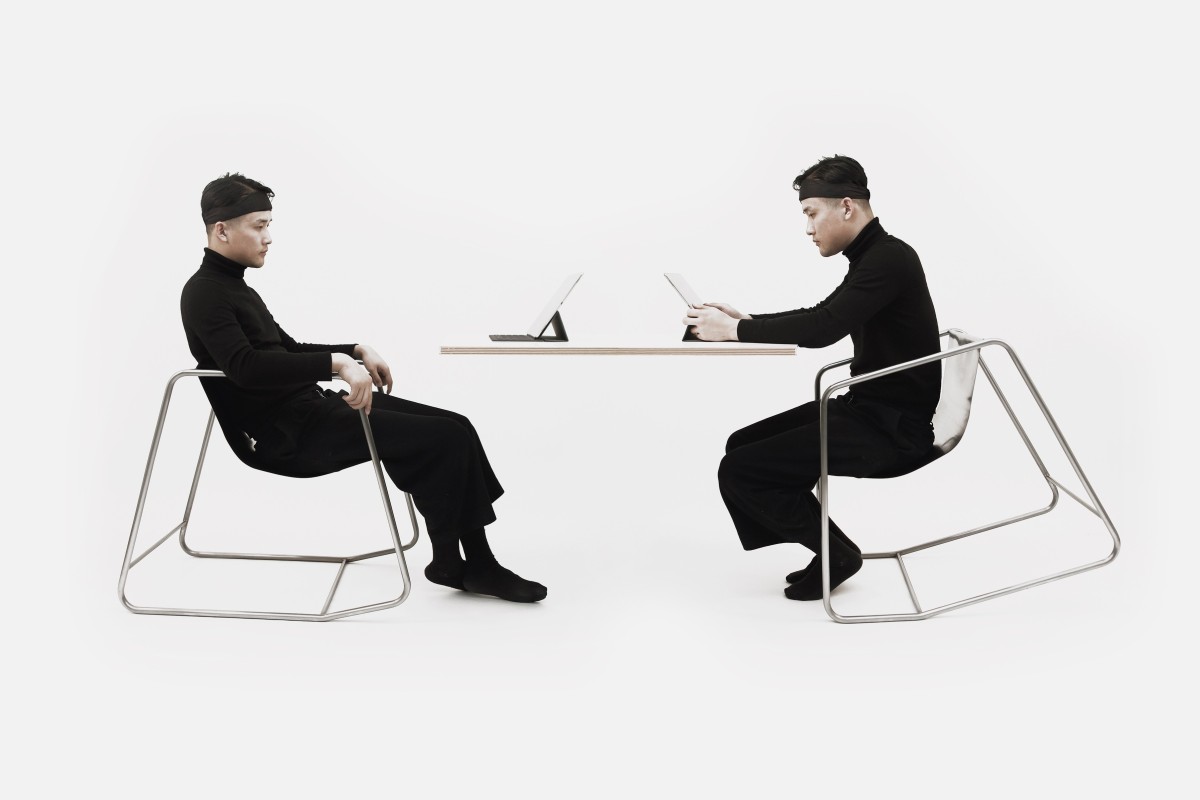
As Asia’s biggest international design fair drew to a close recently, its creative director reflected on five years of discovering and mentoring young Chinese designers. The leading force behind the event’s AD Emerging Chinese Designer Awards, Ross Urwin has been uniquely placed to witness first-hand the rise of home-grown talent.
“When we held the first Design Shanghai in 2014, a lot of the works coming out of China were quite naive,” says Urwin, of creative consultancy Infrastructure. His experience includes working as buying director for department stores Lane Crawford of Hong Kong and London’s Liberty.
“But since then, and in the last three years especially, the design quality and the finishes on some of these prototypes we are seeing surpass what I’ve seen in Europe. They are absolutely world class.”
Xu Lu and Zhang Zihan of Above, the winners of this year’s Emerging Designer award, produced a perfect example of top-drawer finish with their entry, the 15° Chair. Like all the competing entries, it was conceived and produced over a two-month period around Chinese New Year.
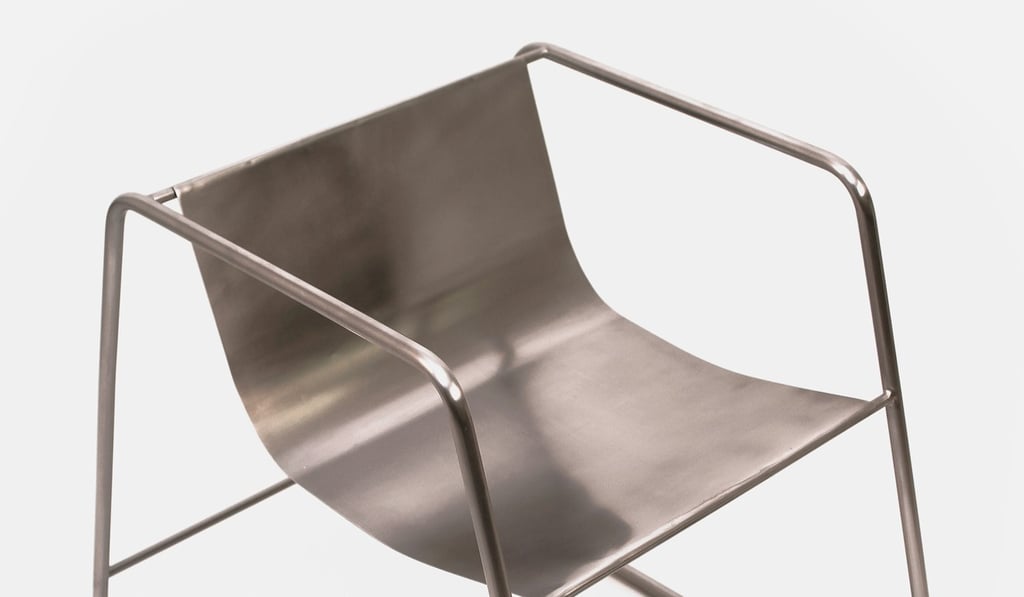
Crisply defined in silver steel, the chair is named for the angle of its base, which invites the forward tilt favoured by restless children. Urwin describes it as the only modern Ming dynasty chair, out of countless reworkings of the iconic shape, that he could imagine having in his own hallway.
“But it’s not just the design we look at,” he says. “We pick designers because we think they have what it takes to succeed in this market. This award is all about supporting emerging talent and making them understand at an early stage that they need to survive so they can continue to be creative. Too often, they end up having to get a day job, which is really sad and a massive waste of talent.”