Advertisement
ReviewThe Korean war – an intriguing new angle in book about POW interrogations and the captives’ fate after armistice
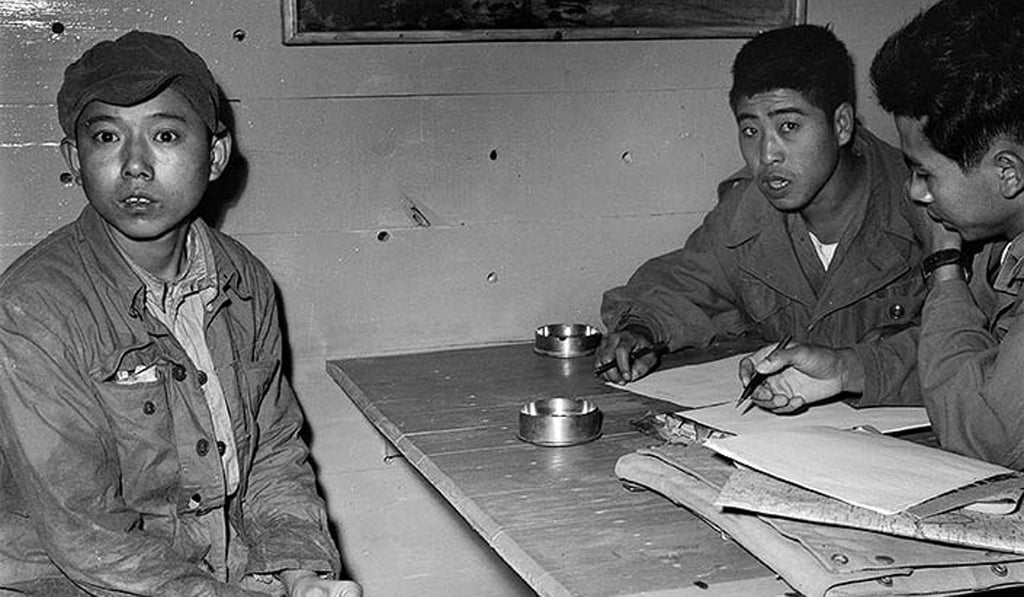
- Their battlefields were dimly lit wooden huts rather than rice paddies or mountains, but the contest for information was just as relentless
- Monica Kim’s book is at its best recounting the experiences of prisoners and their interrogators – including Japanese the US had interned in second world war
3-MIN READ3-MIN

The Interrogation Rooms of the Korean War: The Untold History, by Monica Kim, pub. Princeton University Press, 4 stars
Despite hopes in recent months that an end to the Korean war might finally be in sight, nearly 70 years after North Korean troops crossed the frontier with the aim of uniting the peninsula by force, the two sides’ armed forces continue to eye each other warily across the spectacularly poorly named demilitarised zone.
Known in the history books as “the forgotten war”, there has been a lot more written about one of the 20th century’s most enduring and intractable conflicts in recent decades.
Advertisement
Monica Kim’s new book, The Interrogation Rooms of the Korean War, breaks interesting new ground on an aspect that has been largely overlooked.
Advertisement
Tens of thousands of North Korean and Chinese men – and a number of women – found themselves behind barbed wire in South Korean prison camps in the years after fighting broke out in the summer of 1950.
Advertisement
Select Voice
Select Speed
1.00x