ReviewJack the Ripper victims’ reputations largely restored in book about their lives, not their deaths
- Historian Hallie Rubenhold traces the paths leading the serial killer’s victims – poor, illiterate and sent to work as servants – to London’s East End slums
- Theirs were lives where one false step meant destitution – and the workhouse or the streets; but only one was a prostitute, she writes; alcohol was their vice

The Five: The Untold Lives of the Women Killed by Jack the Ripper, by Hallie Rubenhold, pub. Houghton Mifflin Harcourt. 4/5 stars
Jack the Ripper, the serial killer who terrorised London’s East End in the late 19th century, may be the catalyst for historian Hallie Rubenhold’s fascinating new book, but he is in no way its subject.
Readers who wish to linger over the bloody details of the murders or speculate as to the killer’s still unknown identity will have to look elsewhere in the rich seam of Ripper lore.
This is a story of life, not death – of the ordinary lives of five women, born between 1841 and 1863 and killed in one violent spree in 1888. By restoring “the five” to humanity and dignity, Rubenhold’s book becomes a passionate indictment of the true-crime genre, with its fixation on the minds of murderers and its shallow, glancing sympathy for the dead.
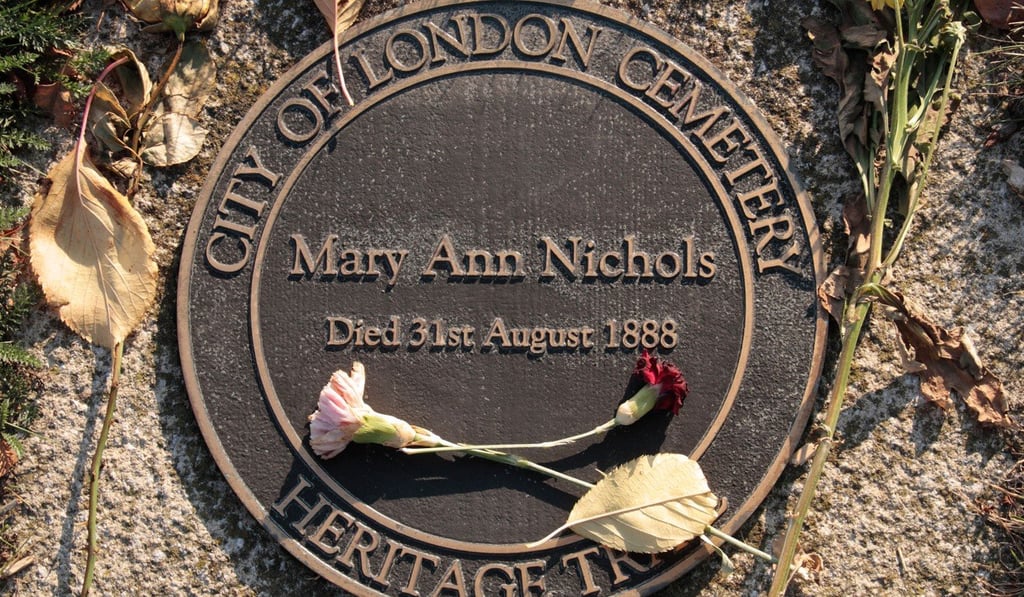
Annie Chapman, Catherine “Kate” Eddowes, Mary Jane Kelly, Elizabeth Stride and Mary Ann “Polly” Nichols did not know one another. The paths that led them to the backstreets of Whitechapel, one of London’s most notorious slum districts, were varied, yet shaped by two immovable constraints. They were poor and they were female, in a world where that combination meant that “their worth was compromised before they had even attempted to prove it”.