The surprising truth about Aladdin: how Frenchman’s lacklustre tale ended up in The Arabian Nights and became a gem
- Frenchman translated tales from Arabic story collection A Thousand and One Nights, but ran out of tales to feed his 18th century readers’ appetite for more
- He wrote Aladdin based, he claimed, on a tale heard from a traveller; his story was unexciting, though, and owes its fame to later versions, including Disney’s

Quick! Name a story from the The Arabian Nights. If you answered Aladdin and the Magic Lamp, as most people probably do, you’d be wrong – at least technically speaking. There is no evidence that this beloved classic, now usually encountered in nursery versions, or on film, was ever part of the original collection of Arabic stories known as Alf Layla wa-Layla, that is “A Thousand Nights and a Night”.
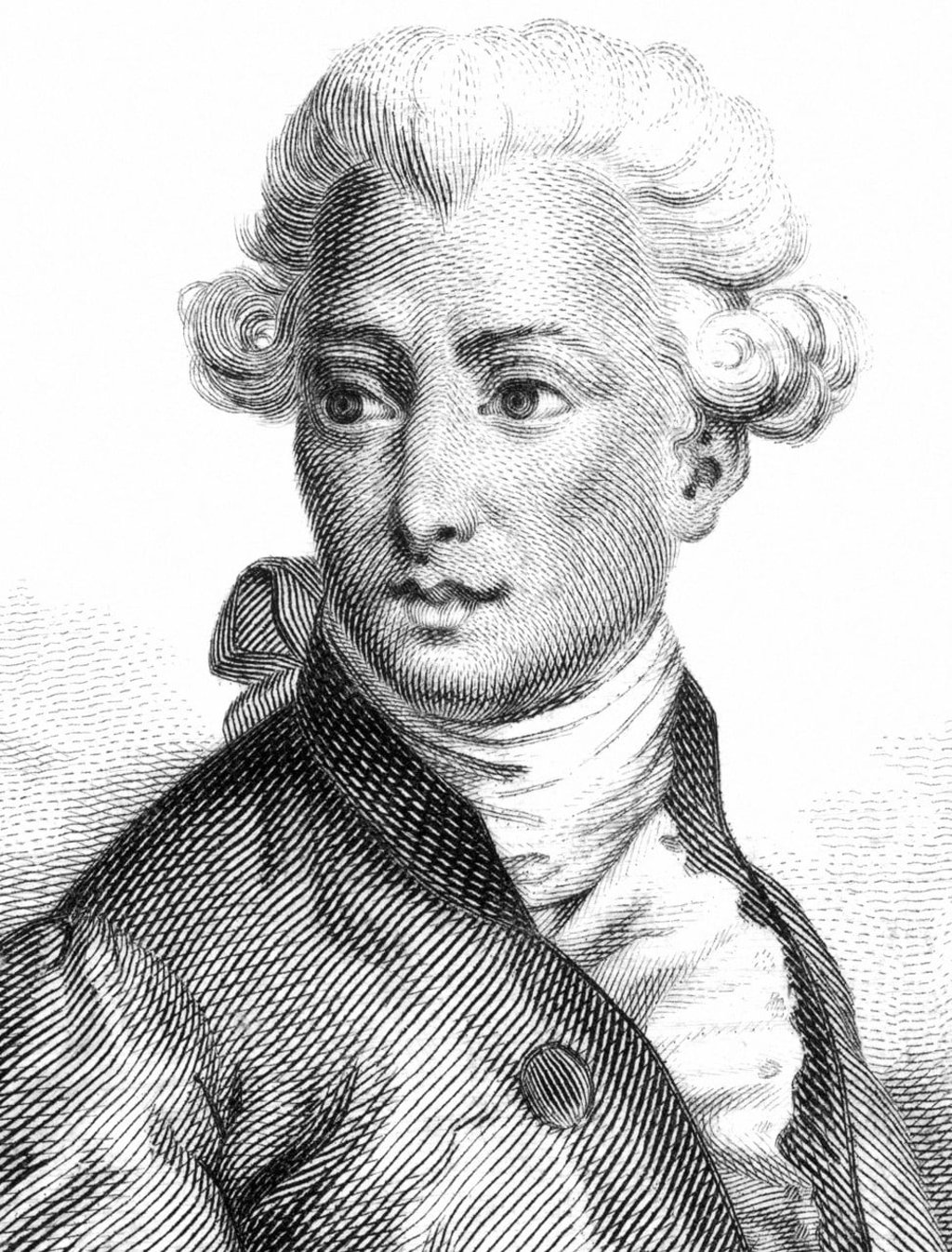
What’s more, no early Arabic original has ever been found. Aladdin only exists today because of the 18th-century Orientalist Antoine Galland.
In the early 1700s, Galland acquired a manuscript of Alf Layla wa-Layla containing its first 35 and a half stories, which he loosely translated into French. Readers immediately went wild.
The first seven volumes of what he called Les Mille et Une Nuits generated Harry Potter levels of mania, in part because of an already established vogue for fairy tales – this was, after all, the same period when Charles Perrault was bringing out Cinderella and Sleeping Beauty.
Galland’s Arabic text comprised what scholars refer to as the “core” stories of The Arabian Nights, beginning with the prologue that explains their astonishing origin. After King Shahryar discovers his wife’s infidelity, he cuts off her head and vows never to be deceived again. For the next several years, he consequently marries a virgin each day, makes love to her in the evening and has her executed the following morning.