‘How I learned dark meant ugly’: Asian-Americans’ graphic memoirs about race relations in US
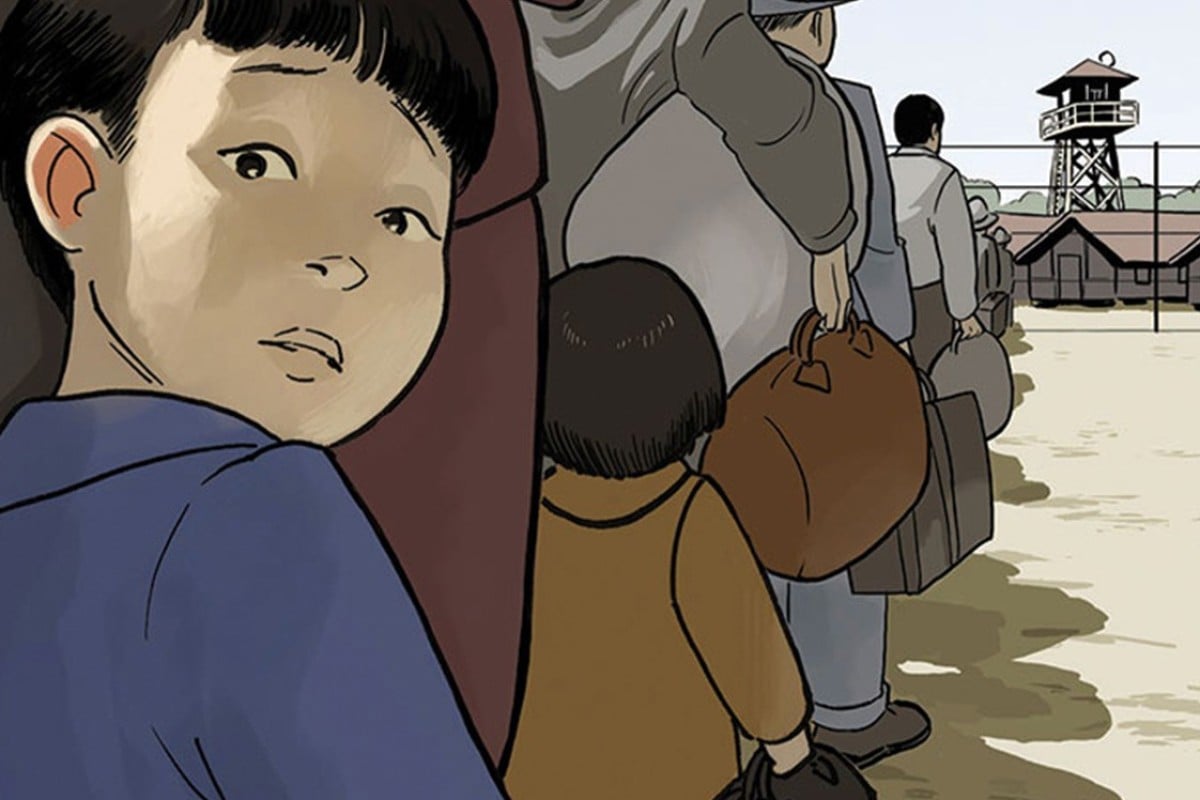
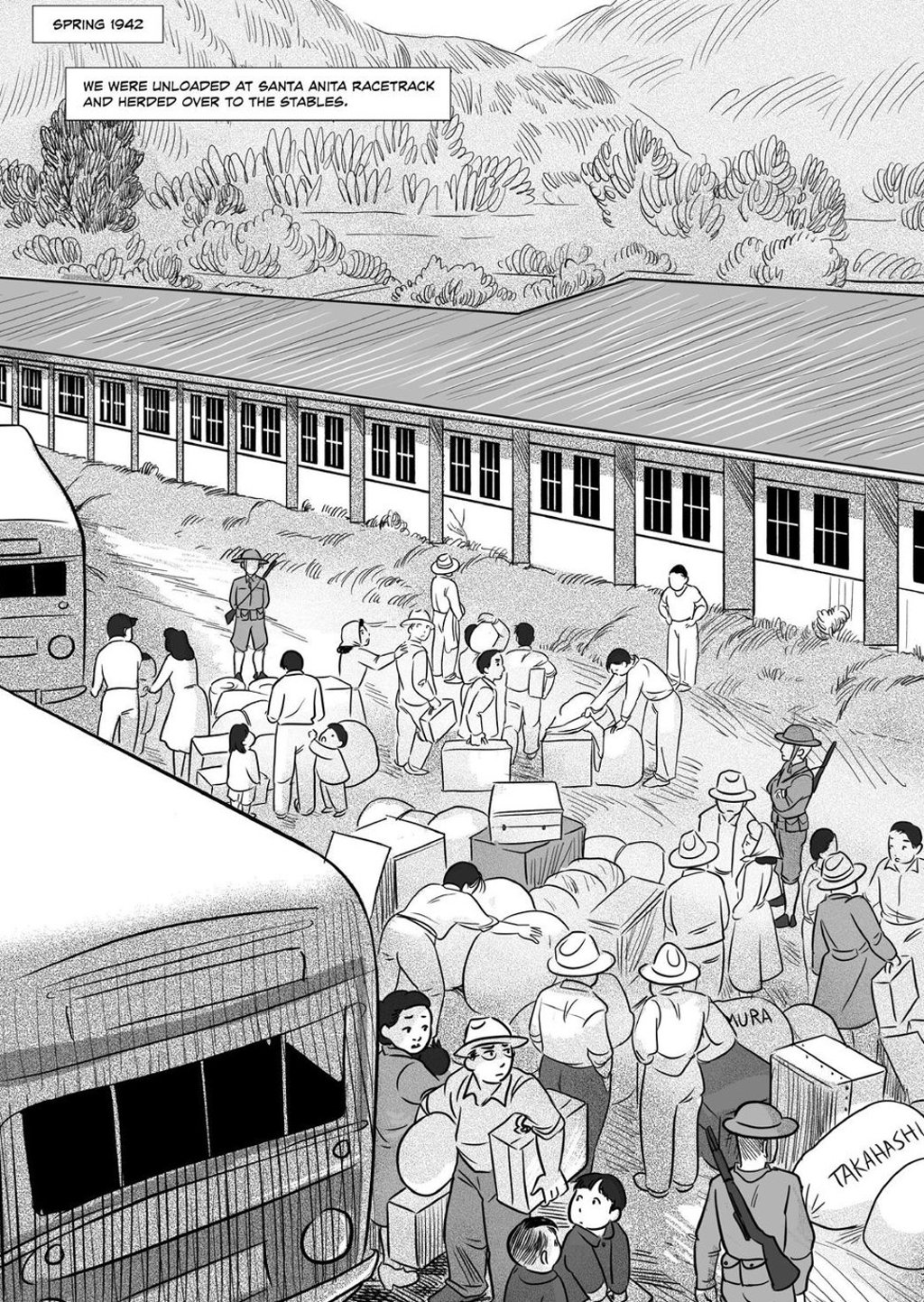
- George Takei – Sulu from Star Trek – recounts in stunning fashion his early years in an internment camp for Americans of Japanese descent in World War II
- Mira Jacob, an Indian-American novelist, vividly illustrates the contradictions of race in a book structured as a conversation with her young biracial son
In the late 1970s and early 1980s, two Jewish cartoonists brought the term “graphic novel” to the mainstream. Will Eisner’s A Contract With God tells the story of poor Jewish immigrants in New York tenements, while Art Spiegelman’s Maus depicts two storylines that centre around the Holocaust.
These books address heavy subjects and differ from the lighter fare in comic books, which are usually thinner, magazine-like publications. The term graphic novel has come to refer to non-fiction, not just fiction.
Asian-American cartoonists such as Gene Yuen Lang have become popular in the past decade, bringing stories of immigration and Asian history to the pages of graphic novels including American Born Chinese and Boxers and Saints. And now, this year, two writers who haven’t been published before as graphic novelists have burst onto the scene with graphic memoirs about race relations in the United States.
These topics are also heavy, but they’re especially important in these troubling times. George Takei – better known perhaps as Sulu from Star Trek – spent his early years in one of the notorious internment camps for Americans of Japanese descent during World War II. He writes about these years and his family’s struggles in They Called Us Enemy.
And Mira Jacob, an Indian-American novelist, writes about race relations in the format of a conversation to her young biracial son in Good Talk: A Memoir in Conversations.