How Edgar Degas revealed Paris opera’s magic and murkiness – without actually being there
- ‘Degas at the Opéra’, an exhibition showing at the Musée d’Orsay in Paris, shows the French artist as a fabulist, his art coming from the imagination
- Casting off false notions about Degas frees us to perceive the Paris Opéra’s significance to him

Fake news and truth, the terms we hear so much about lately, are supposed to be mutually exclusive. Truth is obdurate and aloof. Fake is fake: it’s a sham. Simpering and obscene, it demeans everyone it touches.
Degas is supposed to have been on the side of truth. But truth in art and truth in public life are very different things. And we get Degas badly wrong if we mistake him for a documentarian.
The standard Degas narrative is that he dispensed with the stale repertoire of religious, mythological and historical subjects and turned his gaze instead to contemporary life: Paris’ racetrack, cafe concerts, milliners’ shops, brothels and ballet classes. Everyone knows, too, that Degas helped form the Impressionist group – and what was Impressionism about if not showing the world as it is?
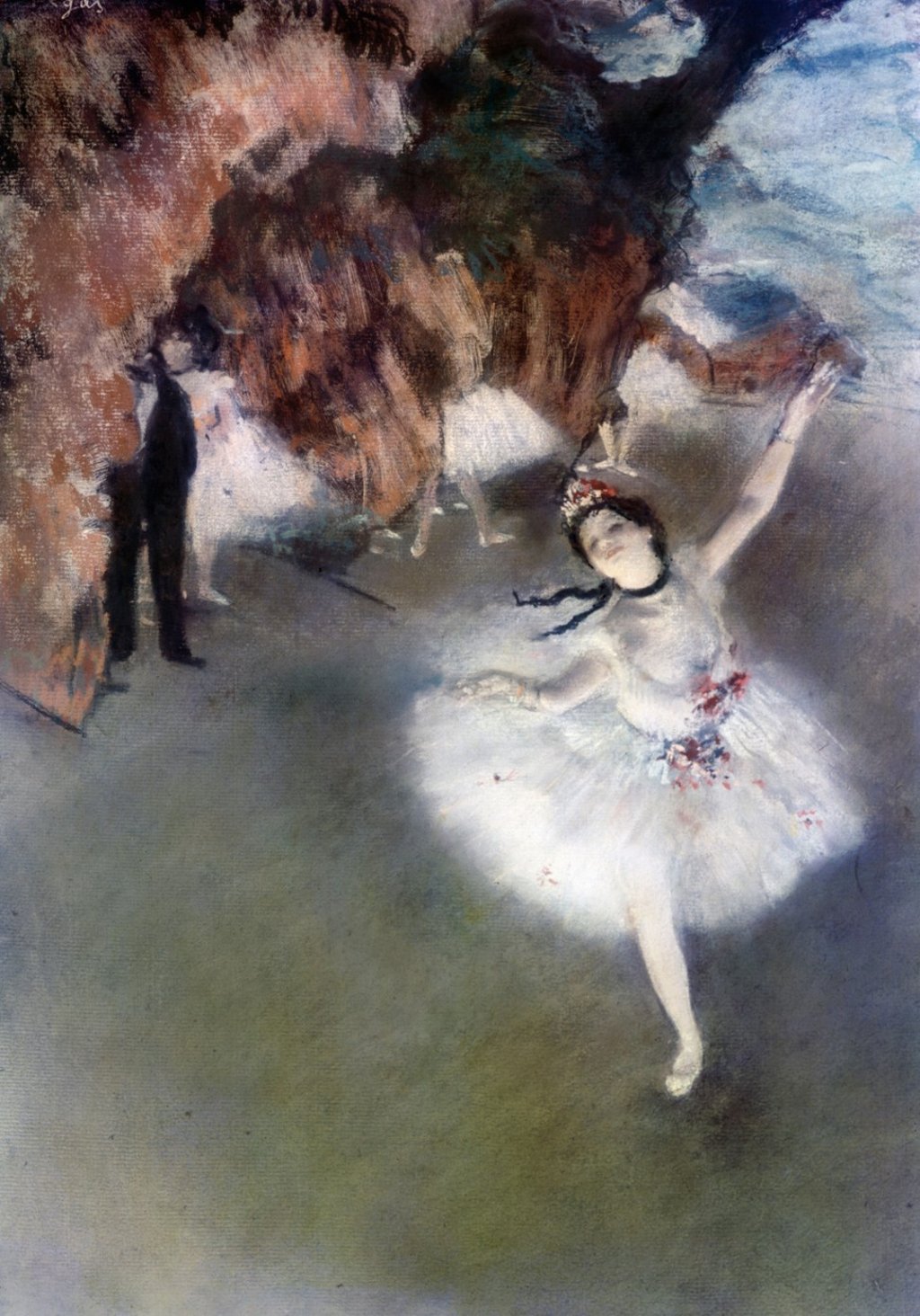
That story is fine as far as it goes. But neat stories – especially those involving sunlight and poppy fields – do not really adhere to Degas. He was an indoor creature, slightly vampiric, ferociously independent. (“If I were the government,” he once said, “I would have a special brigade of gendarmes to keep an eye on artists who paint landscapes from nature. Oh, I don’t mean to kill anyone; just a little dose of birdshot now and then as a warning.” And you want to call this guy an Impressionist?)