Advertisement
How Hong Kong developed unique design for social housing – seeds were sown in a prisoner-of-war camp
- Architect Rosman Wai scoured the archives and spoke to a former Hong Kong government chief architect about the origins of the city’s first public housing blocks
- Their design, a hybrid of Hong Kong tenements and post-war British social housing, arose in part from architects’ conversations in a World War II POW camp
4-MIN READ4-MIN
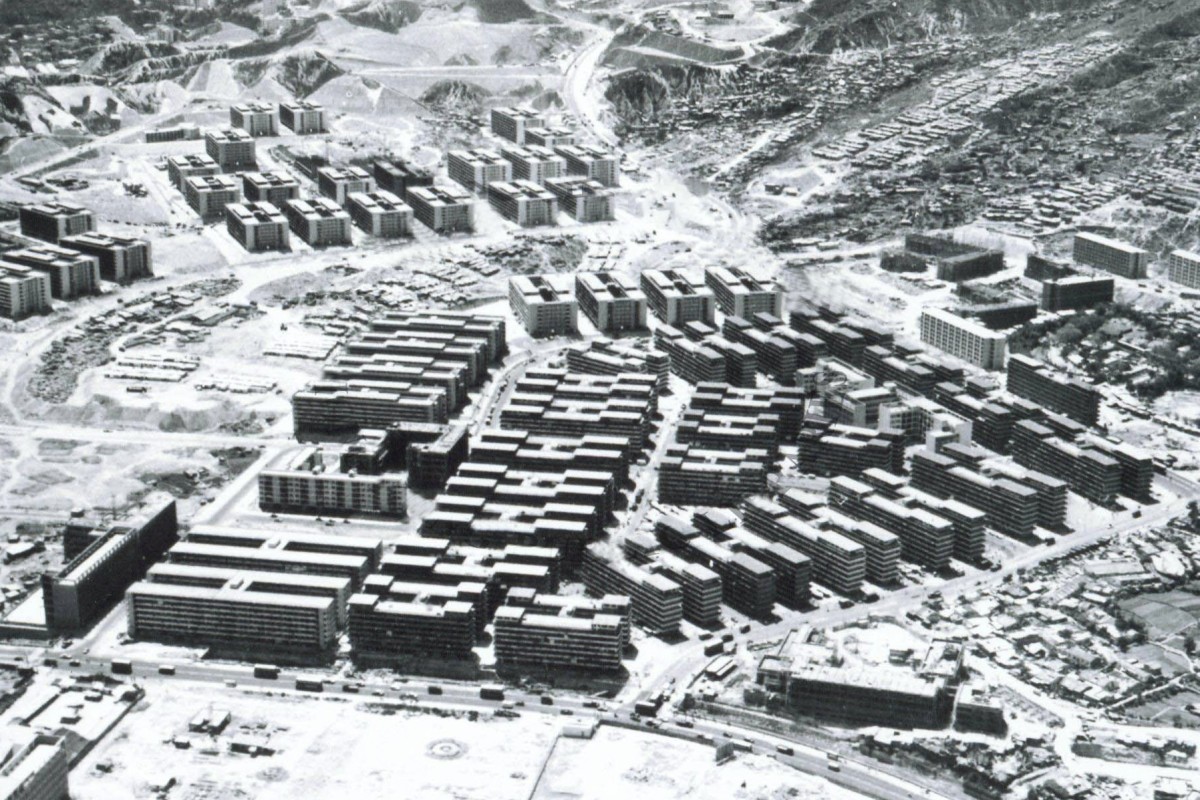
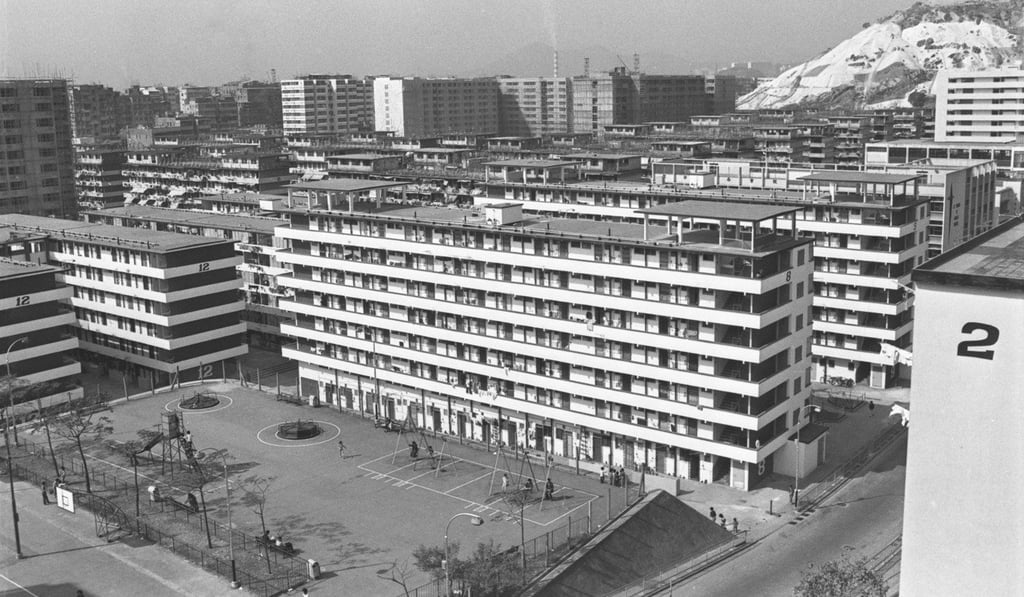
One Sunday 20 years ago, Rosman Wai Chui-chi had agreed to spend the afternoon babysitting her niece. She decided to take her to the first resettlement housing block built in post-war Hong Kong.
It might appear an odd destination, but it wasn’t for Wai, an architect who worked for the city’s Housing Department for more than 30 years, and who now lectures on architectural conservation at the University of Hong Kong.
She thought she knew everything there was to know about public housing in Hong Kong. But children have a way of putting things in a new light, and as her niece peppered her with questions, Wai realised her knowledge was not quite as deep as she had assumed.
Advertisement
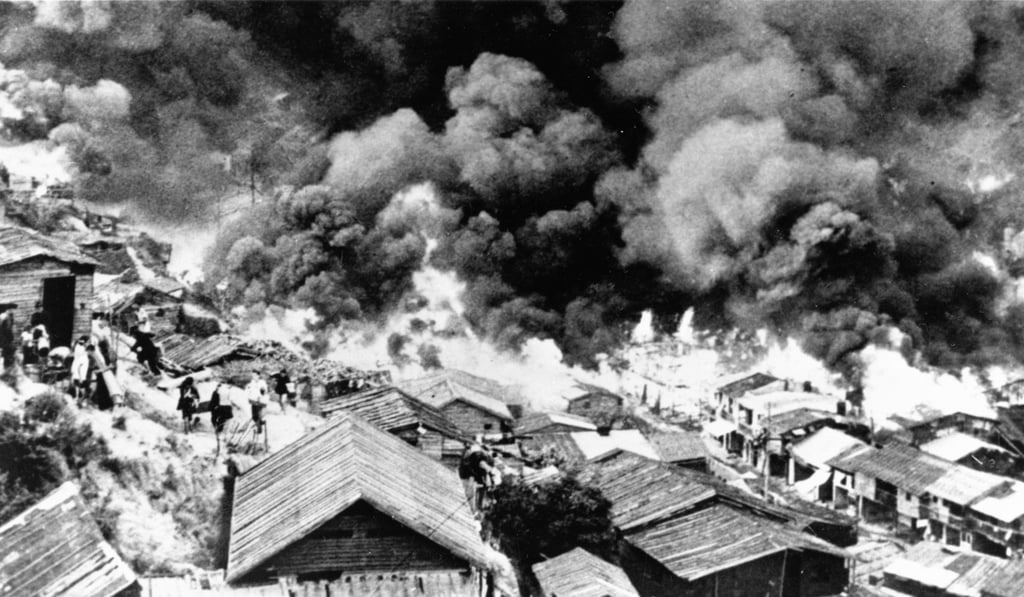
More than 50 per cent of Hongkongers live in some form of public housing, and a vast programme to build mass-housing estates is said to have been started in response to a fire on Christmas Day, 1953, that swept through shanty homes in Shek Kip Mei, Kowloon, and left 50,000 squatters homeless.
Advertisement
Advertisement
Select Voice
Select Speed
1.00x