Sex and the city: a 1920s tour through the seedy nightlife of Calcutta in this tale of beauty and decadence
- First published in 1923, Hemendra Kumar Roy’s Bengali memoir describes a man’s shady, nocturnal adventures in Calcutta between 1901 and 1920
- Now translated by Rajat Chaudhuri as Calcutta Nights, it’s a conscious attempt to explain what goes on in the city’s seedier parts

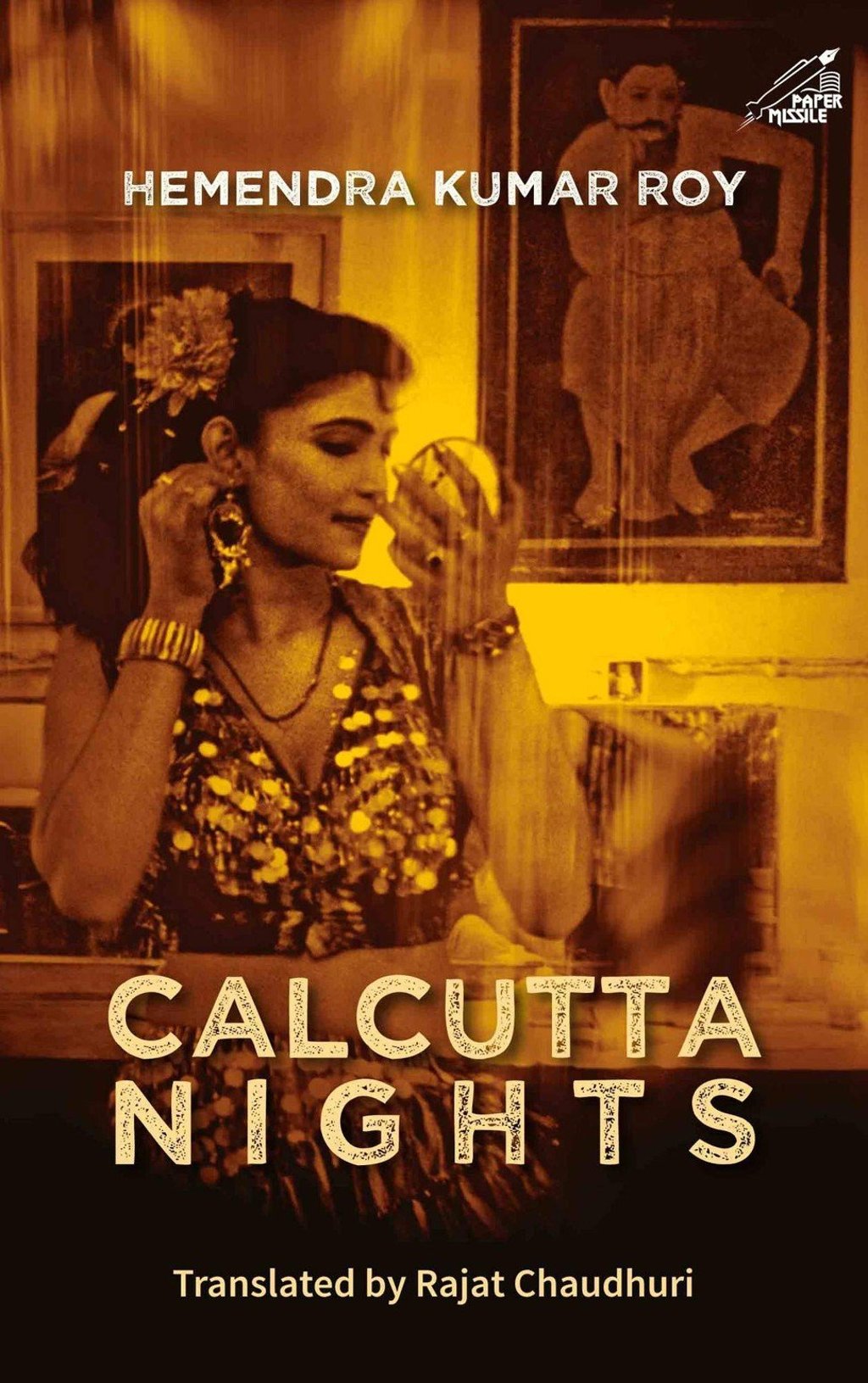
Calcutta Nights, by Hemendra Kumar Roy (trans. by Rajat Chaudhuri), Niyogi Books
The first two decades of the 20th century saw the emergence of urbanism in sociology and philosophy: Georg Simmel wrote about the metropolis and mental life, and Walter Benjamin penned portraits of Western cities including Paris and discussed the work of Charles Baudelaire and Edgar Allan Poe in the context of the flâneur, the dandy who roamed the streets to observe the city and the people.
While any number of European and American cities received attention as centres of power, beauty and decadence in the first quarter of the century, Asia remained obscure. Hemendra Kumar Roy’s Bengali memoir Raater Kolkata, recently translated by Rajat Chaudhuri as Calcutta Nights, goes some way to addressing that gap.
Published in 1923, Raater Kolkata is an account of a young man’s nocturnal adventures in Calcutta, now Kolkata, a city in the eastern part of India, also the first capital city of British India. The book records what Roy saw in the city at night – the sex, the crime, the gambling, the cremation grounds – between 1901 and 1920. Because it spoke about these “dark” subjects, Roy, renowned and respected as a crime-fiction writer, published it under the name of Meghnad Gupta.
While translator Chaudhuri and the blurb locate the book in the context of the 1905 partition of Bengal and the first world war, Roy does not discuss factors such as the British Empire. In the prologue, he writes that his book is a warning for adult male readers to protect their children from the dark places at night.