How wood is trending as a renewable building material, even for high-rises – but don’t expect timber skyscrapers in Hong Kong
- Timber is making a comeback in construction: it is lighter than steel and glass, as well as renewable
- It is used in high-rise construction globally, but that’s unlikely to happen in Hong Kong due to outdated building codes
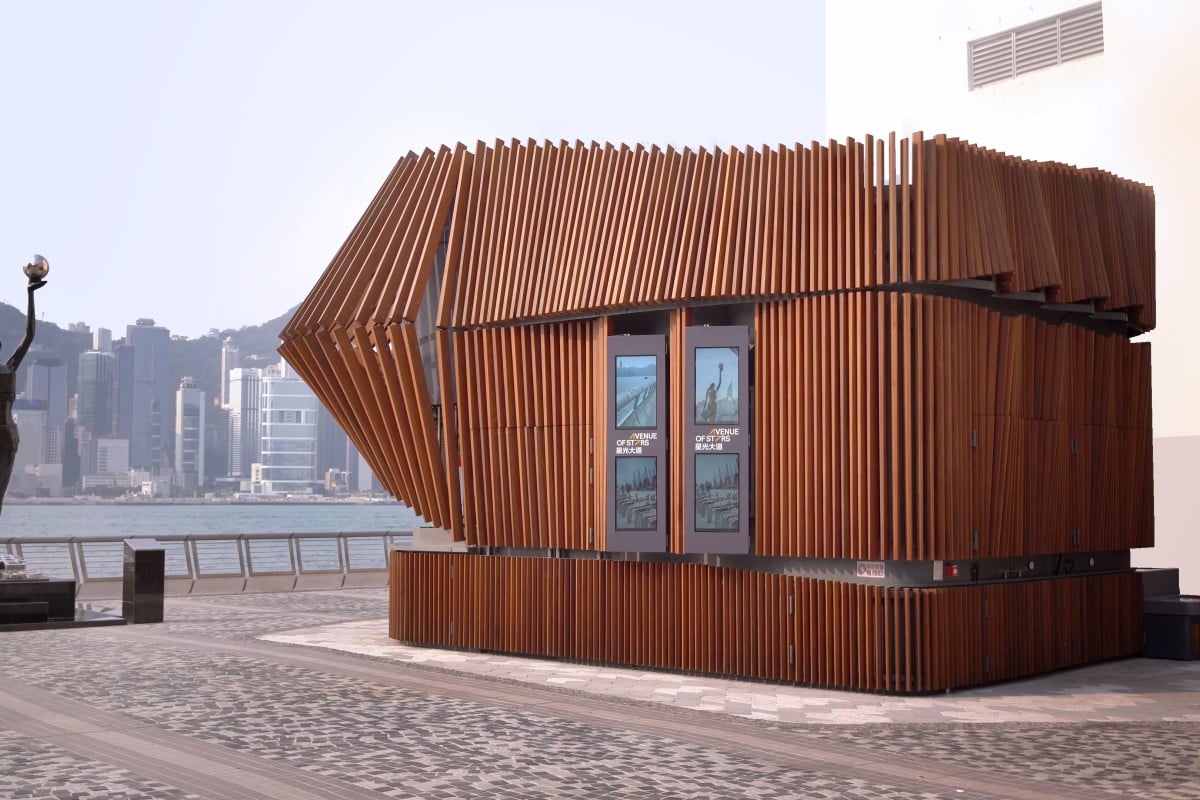
In some cities around the world, timber is making a comeback as a more sustainable, cost-effective construction material of choice – even for high-rise buildings.
The 52-metre (170-foot) tall office building at 25 King Street in Brisbane, Australia, designed by architecture firm Bates Smart, was the tallest timber tower of its type when completed in 2018, surpassed last year by the 84.5-metre Mjostarnet in Norway, by architect Voll Arkitekter.
There are scant examples in Hong Kong, the city with the most high-rise buildings in the world, as current building codes make building with timber too challenging for developers to attempt. The problem, explains Otto Ng, design director of LAAB, is the lack of guidelines to facilitate the use of timber as a material for any structure or facade above 6 metres high.

“This doesn’t mean that it’s not allowed,” he says. “You can still submit a timber structure or facade [proposal] for the Buildings Department’s review and approval. However, you may need to tackle unprecedented challenges such as laboratory tests that would take years – and cost a lot. Therefore, nobody would ever try it.”