Metropolitan Opera artists face uncertain future as coronavirus triggers autumn season cancellation
- All autumn performances of New York company have been postponed, including new productions such as Verdi’s Aida and the premiere of Prokofiev’s The Fiery Angel
- Singers still practise regularly at home, while dancers take part in group online classes and chorus members have weekly Zoom meetings

For the past two months of coronavirus lockdown, Metropolitan Opera singer Abigail Mitchell has used her small upper Manhattan apartment as a temporary studio space.
On most days, the soprano enters the bedroom – the area of her home that is farthest from the neighbours – sits down at her keyboard, and runs through the obligatory scales before trying her vocal cords on new arias, or long songs featuring soloist parts.
But her practice sessions often feature a series of interludes. She must tend to her 10-month-old son Arthur, or switch off singing with her husband, a seasoned voice teacher who has transitioned to online lessons during the lockdown.
Mitchell, 35, a full-time Met chorus member, has embraced this new routine – but it’s a far cry from the electrifying frenzy of day-long rehearsals and nightly performances at the famed Metropolitan Opera House in Lincoln Centre, which closed its doors in March due to the looming threat of Covid-19.
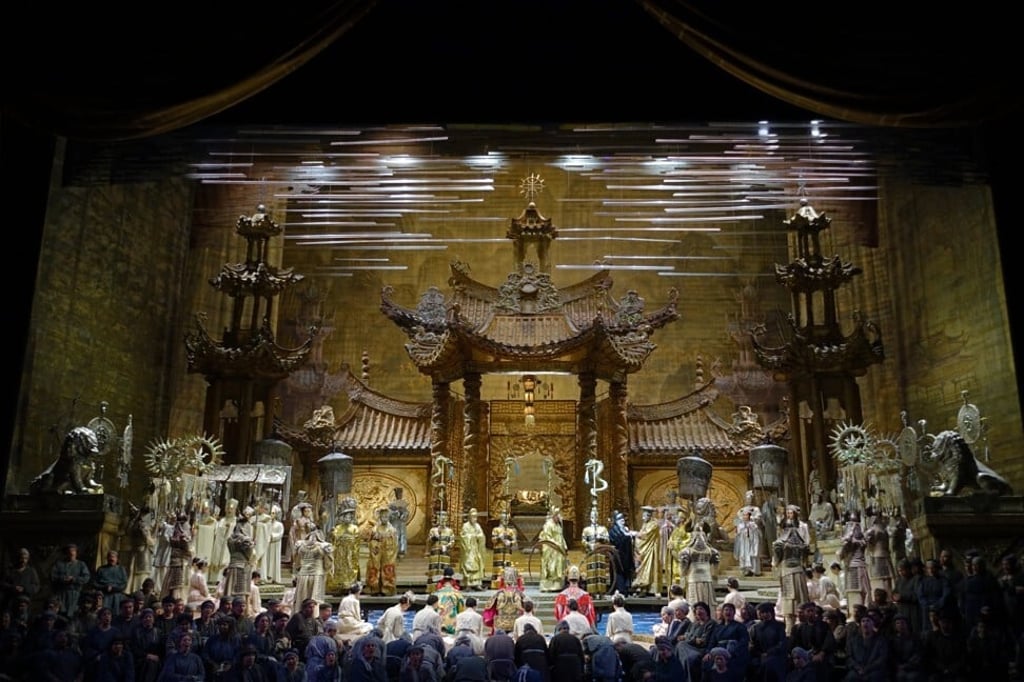
“We miss each other. I miss that rich choral, that big chorus sound. It’s not the same when you’re singing by yourself,” she says of performing alongside her colleagues – a close-knit family of 80 full-time basses, tenors, altos and sopranos and dozens of extras.