Chinese millennial artists ‘only represent themselves’ and not their country: what they have to say about the world today
- Chinese video artist Cheng Ran believes millennial artists in China don’t see themselves limited by traditional concepts of nation, society and roles
- His collective’s exhibition at Mine Project in Hong Kong shows off some of these individual voices that often draw on digital influences

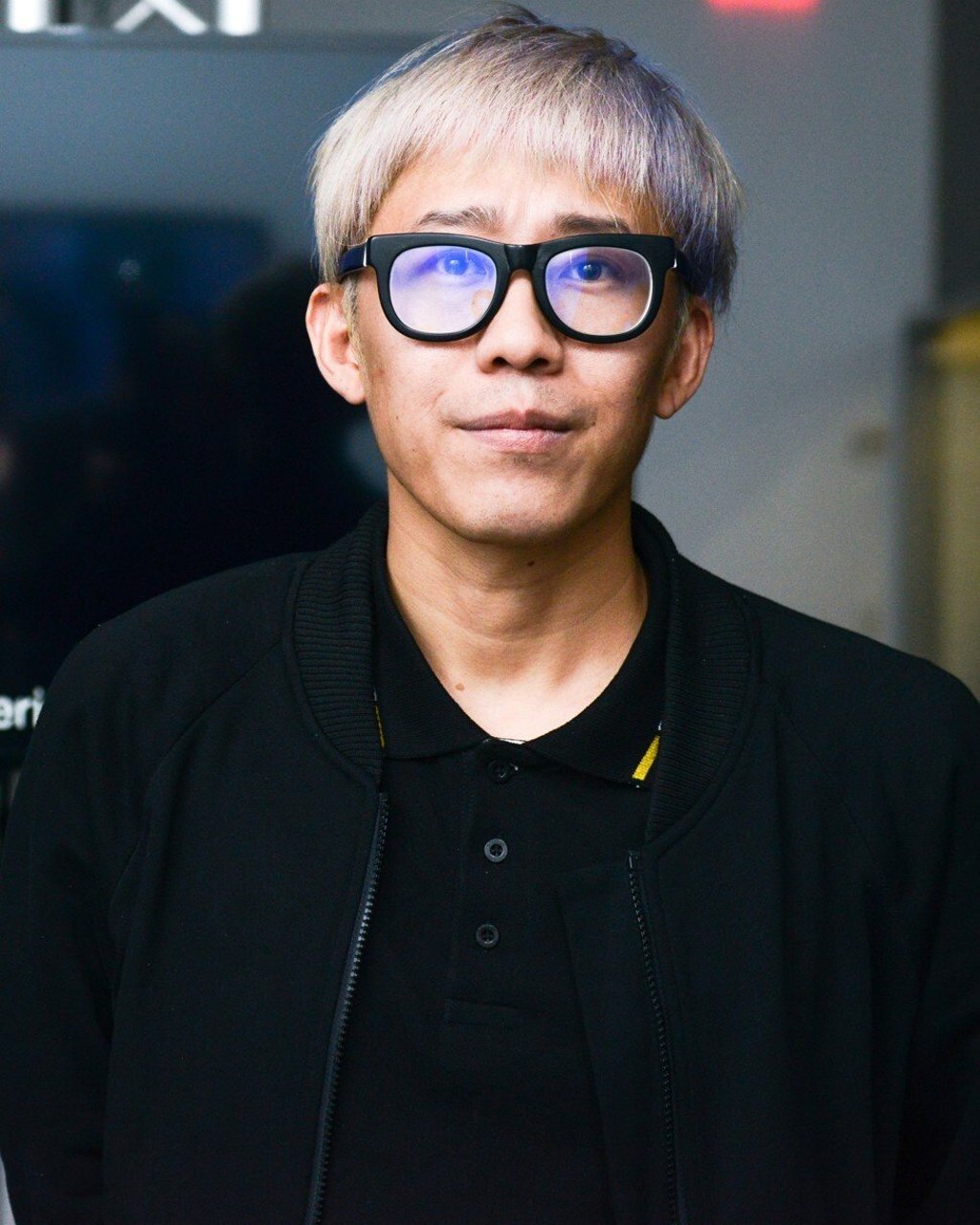
Millennials tend to be wired differently from those who came before them. Generational gaps in China are particularly unbridgeable because of tectonic changes in society since the 1980s, believes Chinese video artist Cheng Ran. To truly understand the China of today, he says, you have to look beyond his own cohort of “post-’80s” artists to those born a decade later.
He is best known for In Course of the Miraculous (2015), a dialogue-free, nine-hour epic film conceived during a residency at the Rijksakademie school in Amsterdam; and Diary of a Madman (2016), nearly eight hours of footage recorded during a three-month stay in New York. There is nothing in the two works that is explicitly about China, but he often includes literary and visual references that point to the East, such as to the 1918 novel by Chinese writer Lu Xun that lent Diary its title.
Younger artists born in the late 1980s or ’90s tend to be even more individualistic, the Hangzhou-based artist says. “They experience the world differently. There is nothing in their art that tells you where they are from. These new artists don’t see themselves limited by traditional concepts of nation, society and roles. Being digital natives, they are also shaped by many more different sources of information, with the result of their art being a lot more diversified.”
This month, you can see works by some of these individual voices in Hong Kong. “Pet Shop Guys II: Wandering on Hennessy Road” is an exhibition curated by Martin Goya Business, an art collective Cheng set up three years ago to help younger artists in Hangzhou survive without having to bow to the short-termism of the art market. It is not a traditional business, he says, but a very loose group of local artists who organise exhibitions and other collaborations together on an equal basis. Each exhibition is an open call without a selection process.