Advertisement
Lui Shou-kwan retrospective at Hong Kong Museum of Art shows, with help of augmented reality, how his abstract and realist ink art progressed in tandem
- Lui Shou-kwan, who learned his art by copying classical paintings, distilled Chinese ink landscapes down to a radical abstraction with roots in Zen Buddhist art
- The curators of the exhibition have grouped his work together by form or shape, rather than style – visitors can use tablets with AR programmes to find out more
3-MIN READ3-MIN
1

One could easily spend as much time on the appendix to the new ink art exhibition at the Hong Kong Museum of Art as on its main body of work.
That is because, instead of talking down to the public, it dares to assume visitors may actually be interested in seeing detailed research about one of Hong Kong’s most influential modern artists.
The extensive Lui Shou-kwan retrospective at the museum in Kowloon also uses augmented reality (AR) technology in a meaningful way for people to experience the works of the 20th century painter and teacher, who died in 1975.
Advertisement
Lui, born in Guangzhou in mainland China in 1919, was the son of an antiques dealer. By his own account, he learned how to paint by copying the classical Chinese landscape ink paintings that passed through his father’s dealership.
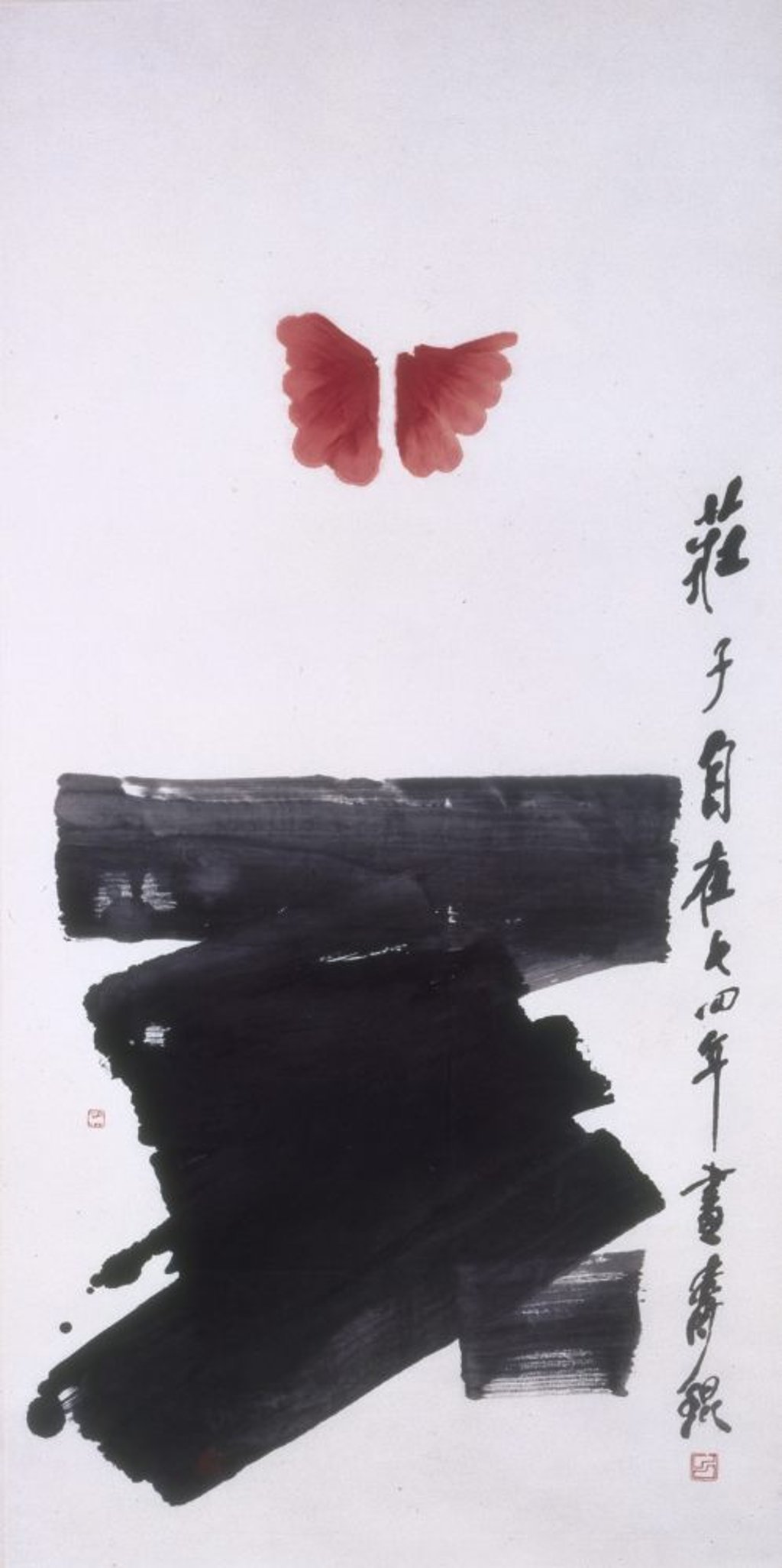
He moved to Hong Kong in 1948, became a highly respected mentor to younger artists and continued the practice of linmo – replicating classical paintings and calligraphy to advance one’s skills. Often, these were used as teaching material. Some of these copies are on display at the exhibition.
Advertisement
Advertisement
Select Voice
Select Speed
1.00x