Ulysses at 100: what makes James Joyce’s novel great, how to read its ‘challenging’ prose, and its enduring relevance
- On February 2, 1922, Irish novelist James Joyce’s Ulysses was published in Paris. Peter Kennedy, who teaches it to Hong Kong students, is a fan
- The questions its asks about identity, language and history are as relevant as ever, he says, and then there’s food and sex. He has some tips for how to read it

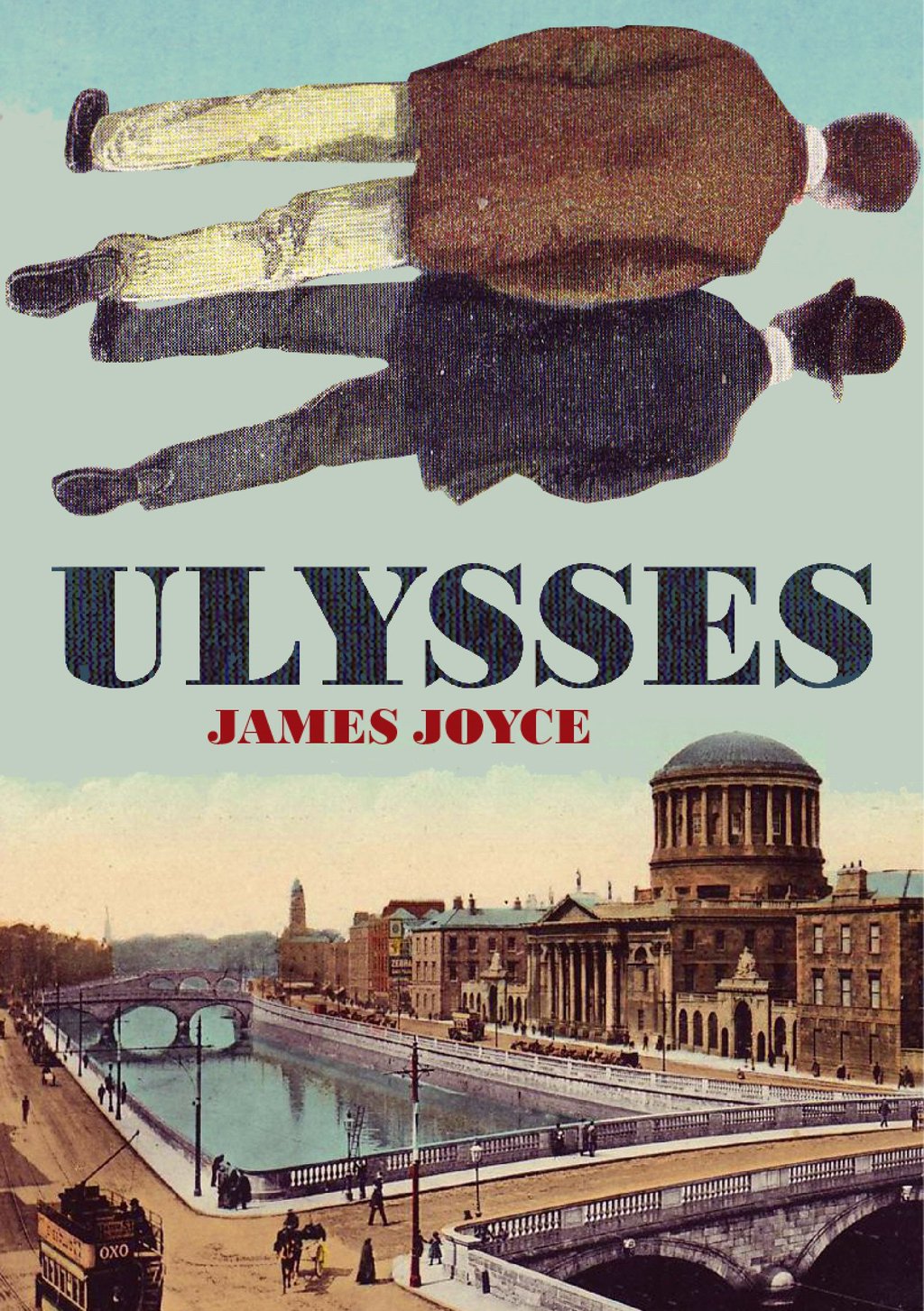
“This is, for me, the greatest book of the 20th century bar none,” says Peter Kennedy, honorary associate professor in the University of Hong Kong’s School of English, who has been teaching James Joyce’s Ulysses to students for more than 30 years.
Despite a reputation for difficulty as old as the book itself, but which Kennedy briskly disputes, the centenary of its publication on February 2, 1922 should be nudging everyone to give this most famous of all Irish novels a first (or second) glance.
Ulysses is one of those volumes that, like tomes by Wittgenstein, Kierkegaard and Proust, is to be kept visible under the undergraduate’s arm or in the bicycle basket. It’s the intellectual equivalent of having a sports car to impress.
Joyce is uncompromising in the richness of his vocabulary, his employment of specifically Irish words, his home-made neologisms, references so varied as to suggest a vast mental library, and the rate at which these come rattling off the pages, unheralded and unexplained.