Review | They call it Baltic gold: amber – fossilised tree resin – seen in all its glory, from Neolithic jewellery to contemporary art, in Hong Kong exhibition
- Amber, whether translucent orange, butterscotch, burgundy or a murky white, has been carved into jewellery, ornaments and religious art for millennia
- A Hong Kong exhibition shows works from the Neolithic era to now, carved in Europe and China, as well as amber’s value to science for the insects it preserved

Forged over millions of years and sought after by traders and emperors throughout history, amber – the precious fossilised tree resin known for its breathtakingly warm hues – is the subject of a new exhibition in Hong Kong.
Spanning Neolithic jewellery, immaculately designed Catholic rosaries from medieval Europe, delicately carved 19th century statuettes from China and mass-produced kitsch from the Soviet Union, “Amber: Baltic Gold” at City University of Hong Kong in Kowloon Tong offers a comprehensive – albeit slightly disjointed – history of the material.
While 90 per cent of the world’s amber originates in the Baltic region, in northeastern Europe, what this exhibition shows is the universality of the material. In Hong Kong, for instance, amber is perhaps most often associated with objects used in Buddhist rituals, such as prayer beads.
“We show you glimpses of how amber was used in different periods, and its importance in different cultures and societies,” says Isabelle Frank, the exhibition’s chief curator.
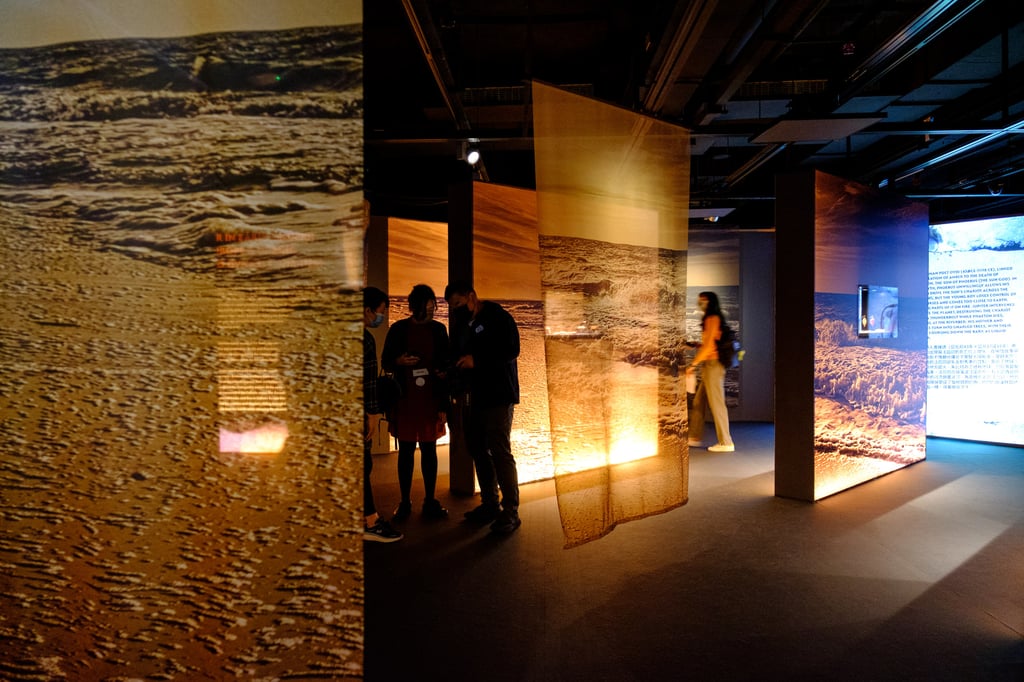
The exhibition features objects from numerous museum and private collections in Europe and Hong Kong – including the Latvian National Museum of Art and the Mengdiexuan Collection – that together provide an enriching pathway for visitors to explore one of Earth’s unique treasures.