Will Burning Man become a victim of its own success? US festival’s journey from inclusive hippy gathering to billionaire’s playground
- The Burning Man festival started out in San Francisco, before moving to the Nevada desert, where it has been a fixture for more than 30 years
- The original leave-no-trace, all-inclusive ethos may have been diluted by a new generation of wealthier attendees, but Burning Man goes on

The blank canvas of desert wilderness in northern Nevada seemed the perfect place in 1992 for artistic anarchists to relocate their annual burning of a towering, anonymous effigy. It was goodbye to San Francisco’s Baker Beach, hello to the Nevada playa, once the floor of an inland sea.
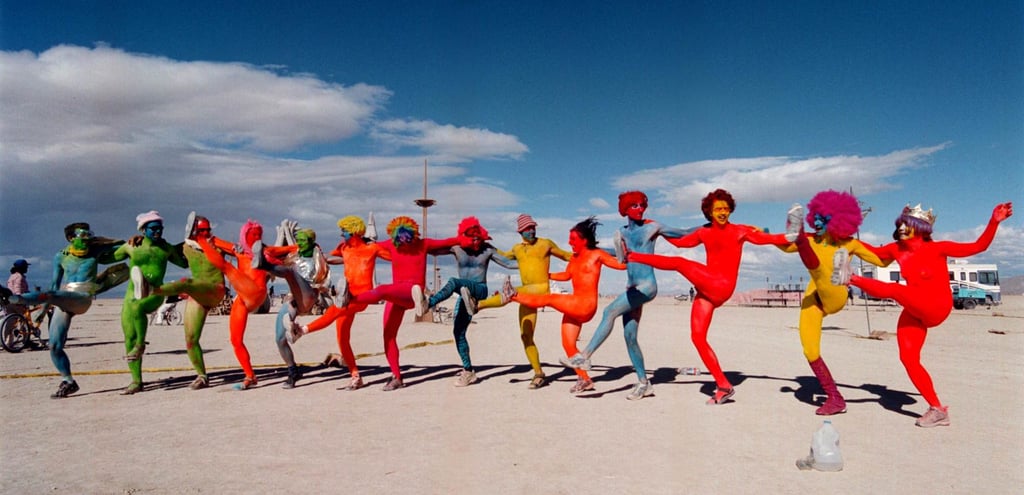
The tiny gathering became Burning Man’s surrealistic circus, fuelled by acts of kindness and avant-garde theatrics, sometimes with a dose of hallucinogens or nudity. The spectacle flourished as the festival ballooned over the next three decades.
Some say it grew too much, too fast.
Things came to a head in 2011 when tickets sold out for the first time. Organisers responded with a short-lived lottery system that left people out of what was supposed to be a radically inclusive event. As Burning Man matured, luxurious accommodation proliferated, as did the population of billionaires and celebrities.
Katherine Chen, a sociology professor in New York who wrote a 2009 book about the event’s “creative chaos”, was among those who wondered whether Burning Man “would be a victim of its own success”.
Exponential growth led to questions about whether organisers had veered too far from the core principles of radical inclusion, expression, participation and the pledge to “leave no trace”.