Southern Chinese women who chose not to marry and became carers before there were foreign domestic helpers remembered in Hong Kong exhibition
- A show at The University of Chicago’s Hong Kong campus evokes memories of Chinese women helpers often forgotten by those to whose lives they were once central
- These ‘self-combed women’ chose to achieve financial independence, at first working mostly in the silk industry before domestic help became a more viable career

Mothers traditionally take up the role of carers in most cultures, but that is not always the case. In Hong Kong, for example, foreign domestic workers are often the ones who pick children up from school, prepare food for them and keep them company while their parents are at work.
A new exhibition at The University of Chicago’s Hong Kong campus, “Daughters of Canton Delta”, evokes memories of carers who may have been forgotten by adults but who were once central to their day-to-day lives as children.
Curated by Amanda Sun, founder and director of the Hong Kong-based Arts For Good Foundation, the show tells the stories of zishunu – “self-combed women” – from China’s Guangdong province who, instead of getting married and taking on a conventional domestic role, chose to make a living for themselves and achieve financial independence.
Often living far from their families, many became respected figures in their hometowns as they sent money back to their parents and other family members.
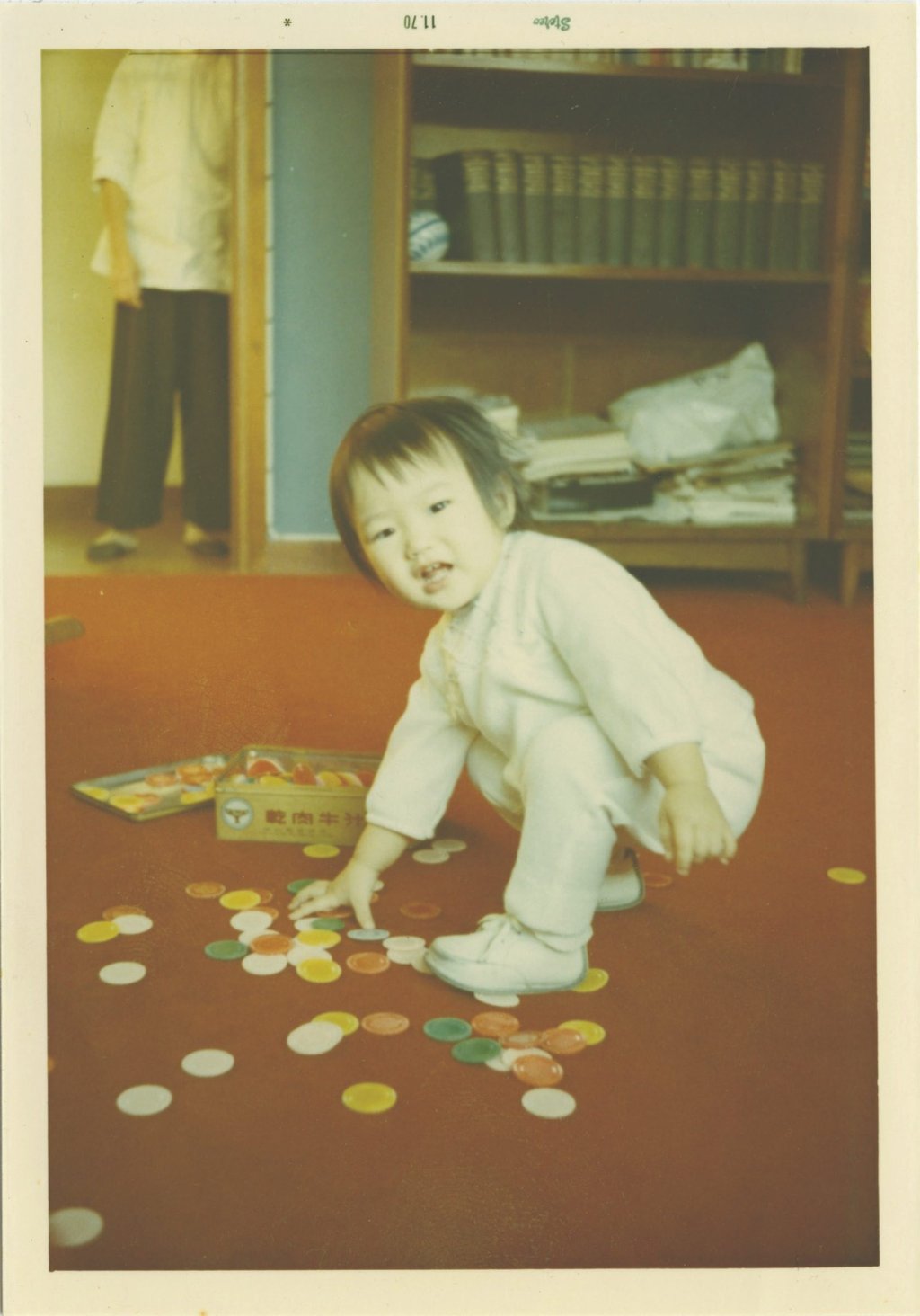
The phrase “self-combed women” derives from the Chinese tradition of women transitioning from an unwed woman’s braided hairstyle to a combed-up bun once they were married. The zishunu “combed up” their hair on their own without a husband.
“We know that the custom was well established by the early 1800s and became more common by the early 1900s,” says Kenneth Pomeranz, a professor of Chinese history at the University of Chicago. “Around 1930, perhaps 3 per cent of the women in Shunde [a district in Guangdong] were zishunu.”