Rise of the tiger: Indian art surges while Chinese antiquities hold firm in Asia Week auctions
- China’s art market remains far larger and more extensive than India’s, but the Indian results highlight the country’s growing wealth and confidence
- ‘That’s the big story of this season, that India has usurped China as the most exciting place,’ says Henry Howard-Sneyd, Asian art chairman at Sotheby’s
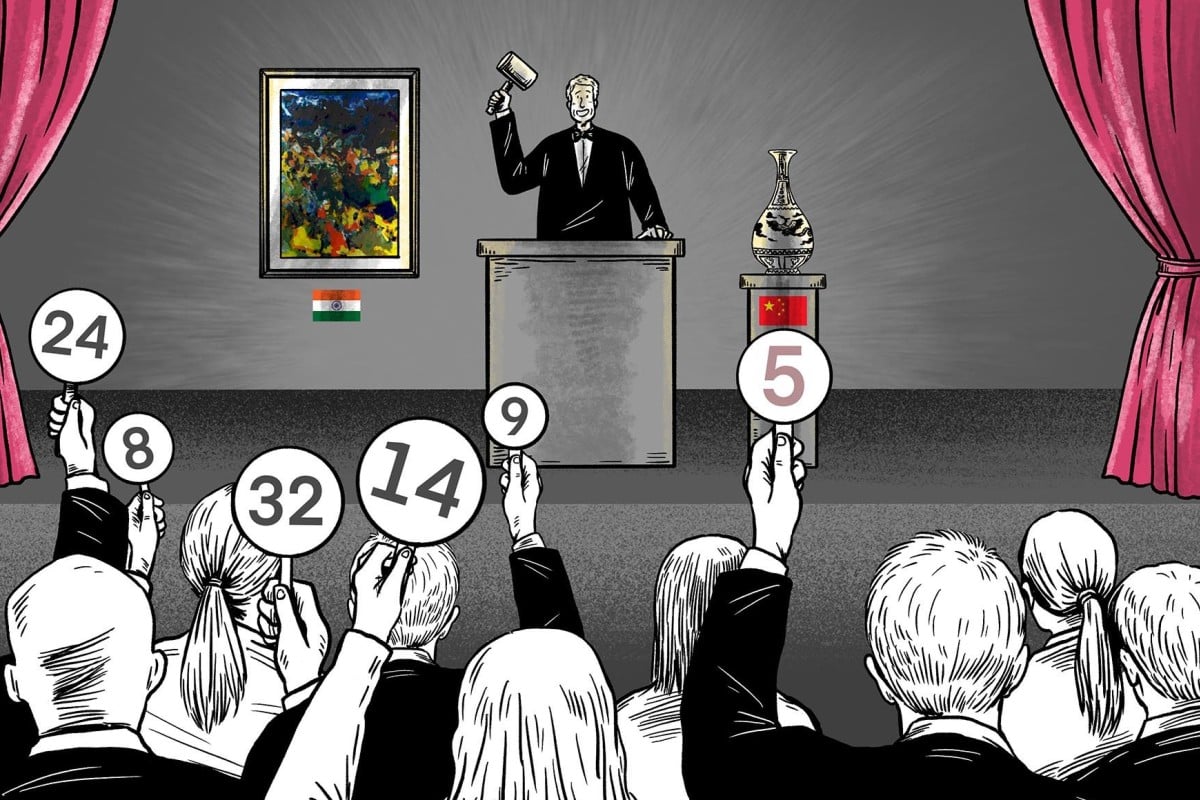
Auctioneer David Kleiweg de Zwaan intonated, gesticulated, congratulated as he nudged up the price of a Chinese 18th-century “large and magnificent imperial” zitan mirror stand from its US$50,000 starting price.
“I’m selling, last chance,” he called at Christie’s auction house in Rockefeller Centre, dressed in a blue suit and grey tie, surveying an in-person, internet and phone bank crowd of collectors from around the world.
“No regrets?” he asked as the energy dissipated, trying to wring out one last increase before exclaiming “All done!” with a hand twirl and a gavel bang as the winning price – US$220,000 – flashed in multiple currencies across a digital board.
Big-money art is a barometer of the global economy and New York’s annual Asia Week – a magnet for well-heeled collectors, auction houses, museums, dealers and art groupies – is among the most prestigious events on the global art calendar.
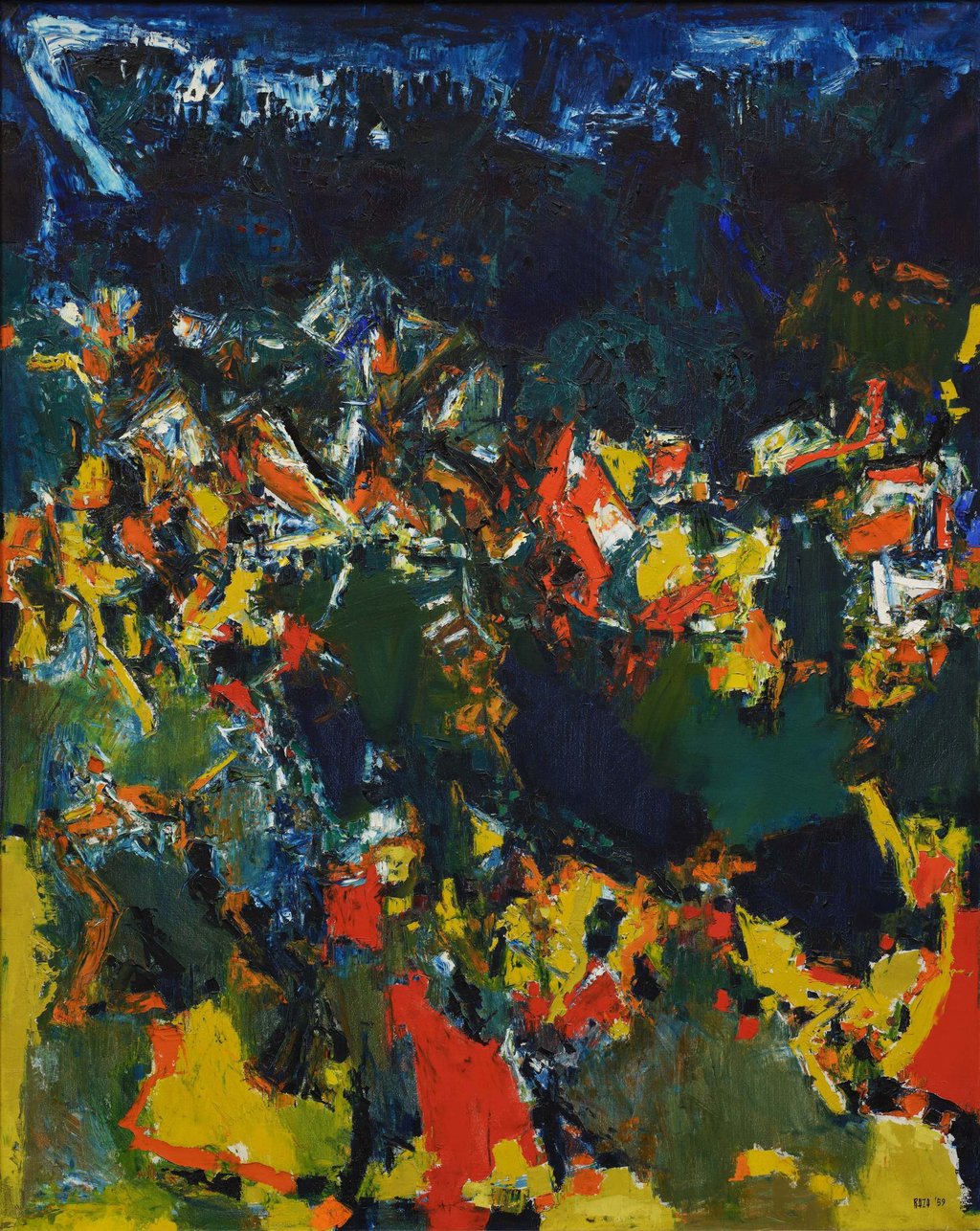
While sales of Chinese antiquities last month held up in the face of wobbly Chinese stock markets and Beijing’s efforts to stem capital flight, the news was India’s contemporary market, which is on fire.
“A very dramatic change is the flip between China and India. That’s the big story of this season, that India has usurped China as the most exciting place,” said Henry Howard-Sneyd, Asian art chairman at Sotheby’s, a rival global auction giant.