Advertisement
ExplainerWhy do Chinese fisherfolk celebrate Tin Hau Festival? The story of a girl who became a goddess
- The Tin Hau Festival celebrates the birthday of Hong Kong’s most revered deity, Tin Hau, a girl who learned to predict the future and saved people from the sea
- Hong Kong people – and people in Macau, mainland China and Taiwan – worship her as the goddess of the sea, protector of seafarers and Queen of Heaven
2-MIN READ2-MIN

Every year, on the 23rd day of the third lunar month in the Chinese calendar, Hong Kong celebrates the birthday of the city’s most revered deity, Tin Hau. This year it falls on May 1.
The name Tin Hau translates to “heavenly empress”, or “Queen of Heaven”. For centuries, people in Hong Kong, and other Chinese communities, have worshipped her as the goddess of the sea and protector of seafarers. There are around 70 Tin Hau temples spread across the city.
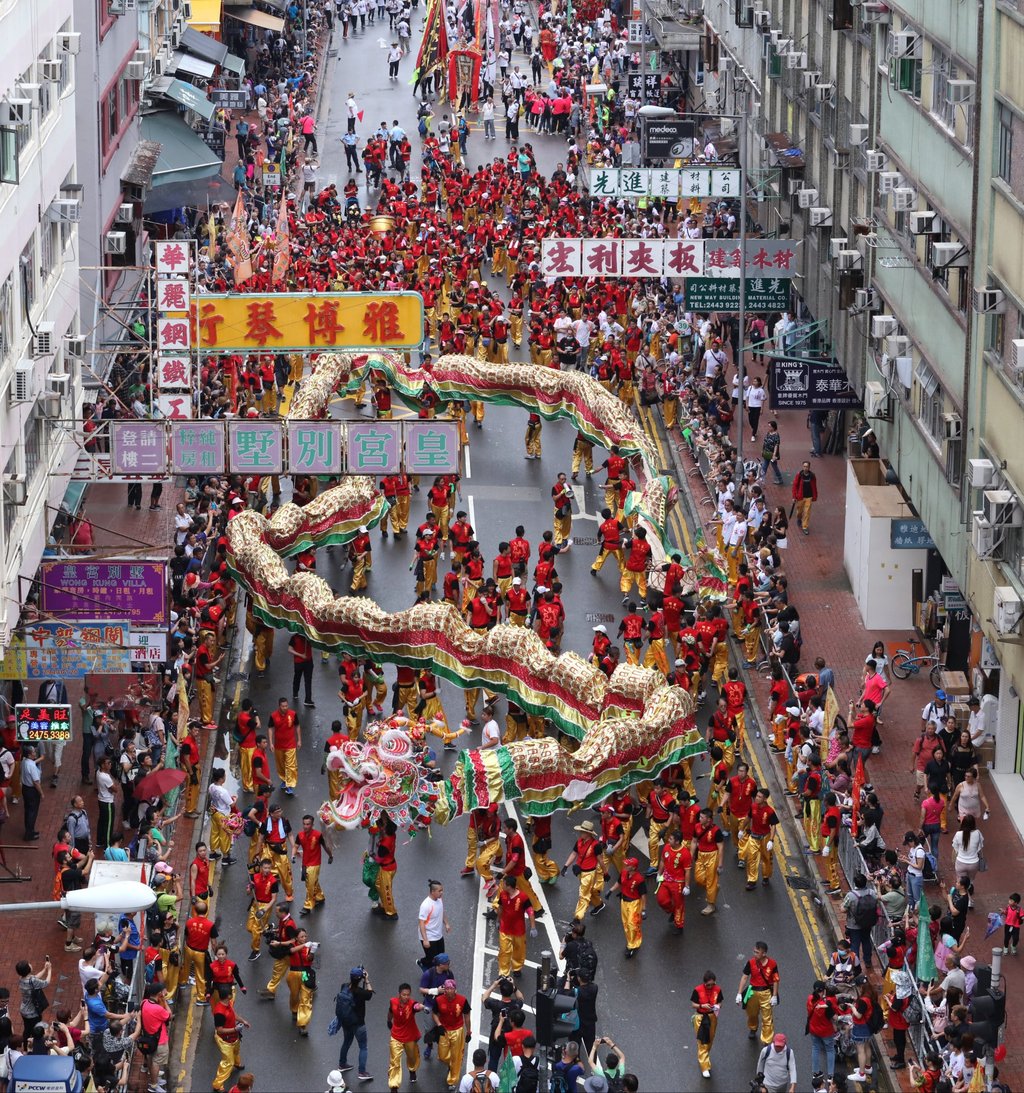
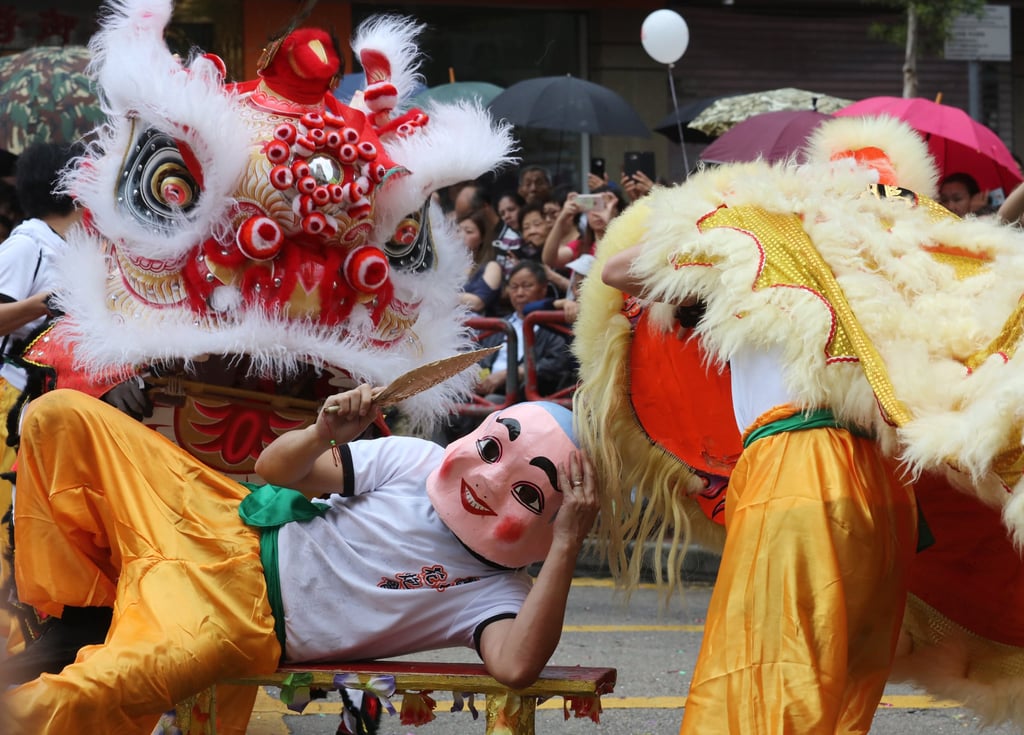
Making offerings at one of these temples on the deity’s birthday is said to bring more auspicious results than doing so on any other day, which is why it attracts a higher-than-usual number of worshippers. Many of the temples celebrate with colourful processions, fa pau paper flower tributes, firecrackers, dragon dances and Cantonese opera performances.
In 2021, the festival was added to the fifth national list of China’s Intangible Cultural Heritage.
The belief in the sea goddess is widespread in coastal regions of southern China including Macau, Zhuhai and Guangdong province as a whole. In these places, she is known by different names, including Mazu, Matsu and A-ma, all roughly translating to “mother-ancestor” or grandmother.
Advertisement
Select Voice
Select Speed
1.00x