ReviewThe horse’s role in history, from farm to battlefield, covered in a fascinating book
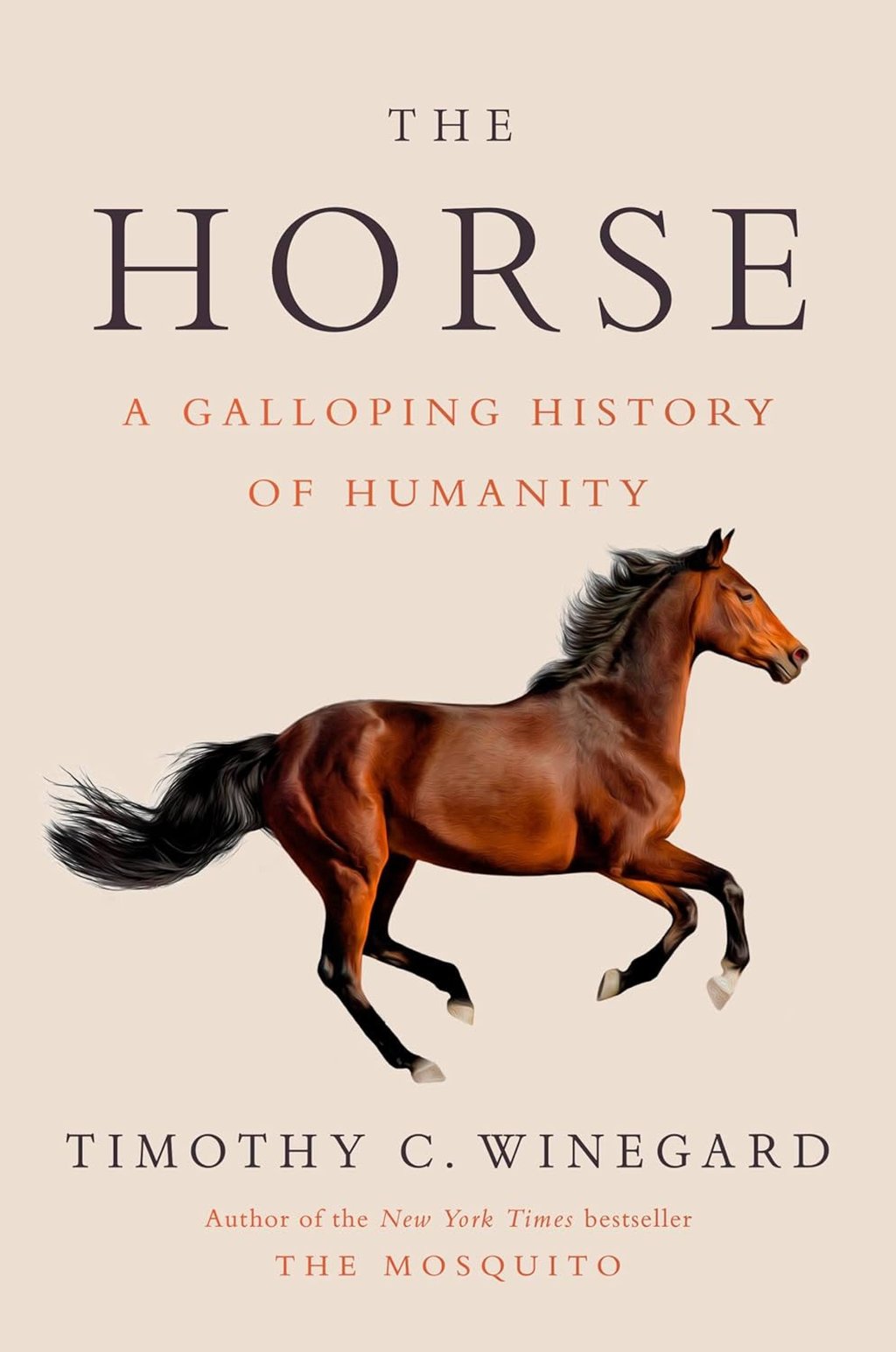
- Timothy Winegard’s The Horse: A Galloping History of Humanity is an entertaining look at how important horses were in human development

Some might suggest that a doorstopper about “the influence of the horse on human history” could not possibly be interesting.
In fact, Timothy Winegard’s The Horse: A Galloping History of Humanity is fascinating, offering a fresh perspective on how crucial horses were in human development. And it almost did not happen.
Abrupt climate changes aeons ago, at the end of the Ice Age, drove horses to the edge of extinction. The remnants of an animal once found throughout much of the world were then largely confined to an area that runs roughly from eastern Europe to Central Asia – where they were hunted for food.
Still, Equus caballus might have gone the way of its brethren had it not been domesticated like cattle. Small corrals designed for milking mares have been uncovered. When someone – perhaps on a dare – decided to jump on the back of one of the more docile horses, it started “a revolution” that changed the world.
Riding horses helped farmers herd more sheep and goats and hunters cover more ground. When horses replaced oxen, their quicker gait allowed more land to be ploughed, increased yields and changed subsistence farmers to commodity exporters.