Hand-made Scottish bagpipes producer, one of the last, on why they are superior
Kilberry Bagpipes, in Edinburgh, is one of the few shops still turning out bagpipes by hand. Artisan Ruari Black explains the process

The Highland bagpipe is a part of Scottish culture and history, famous for its distinctive, powerful sound that even accompanied troops as they landed in Normandy on D-Day during World War II.
But demand for the wind instrument is slowly dwindling, its use confined largely to ceremonial occasions, and machine-made bagpipes are replacing traditionally crafted ones.
Just off Edinburgh’s historic Royal Mile, which sweeps down from the city’s imposing castle to the Palace of Holyroodhouse, is a faded sign for artisan bagpipe maker Kilberry Bagpipes.
Inside, Ruari Black is one of only a few remaining craftsmen in Edinburgh who knows how to make the instrument by hand.
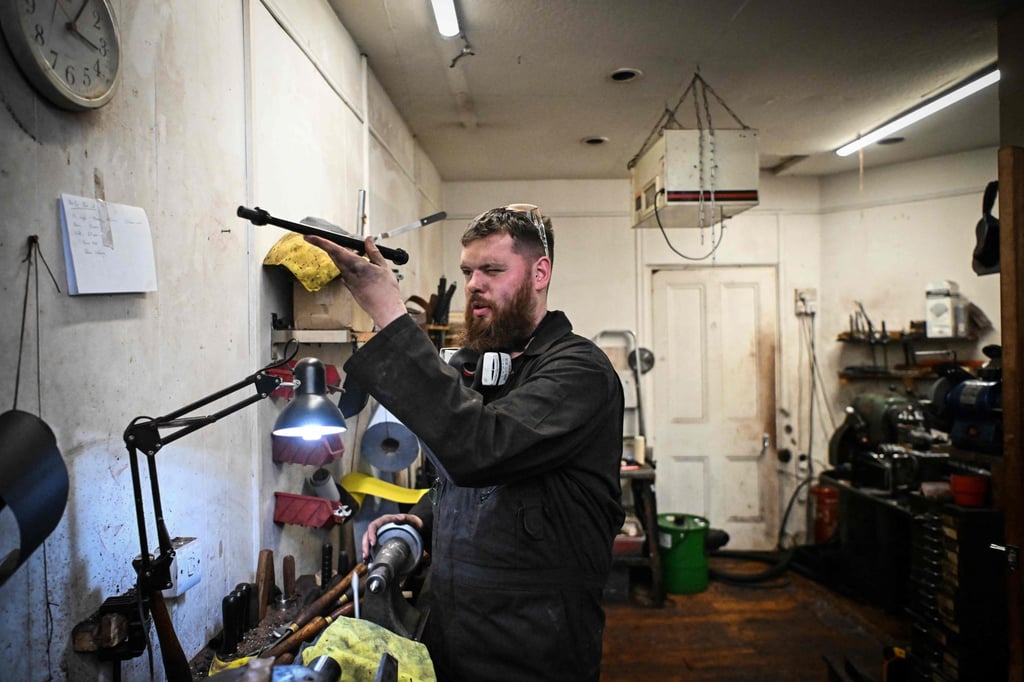
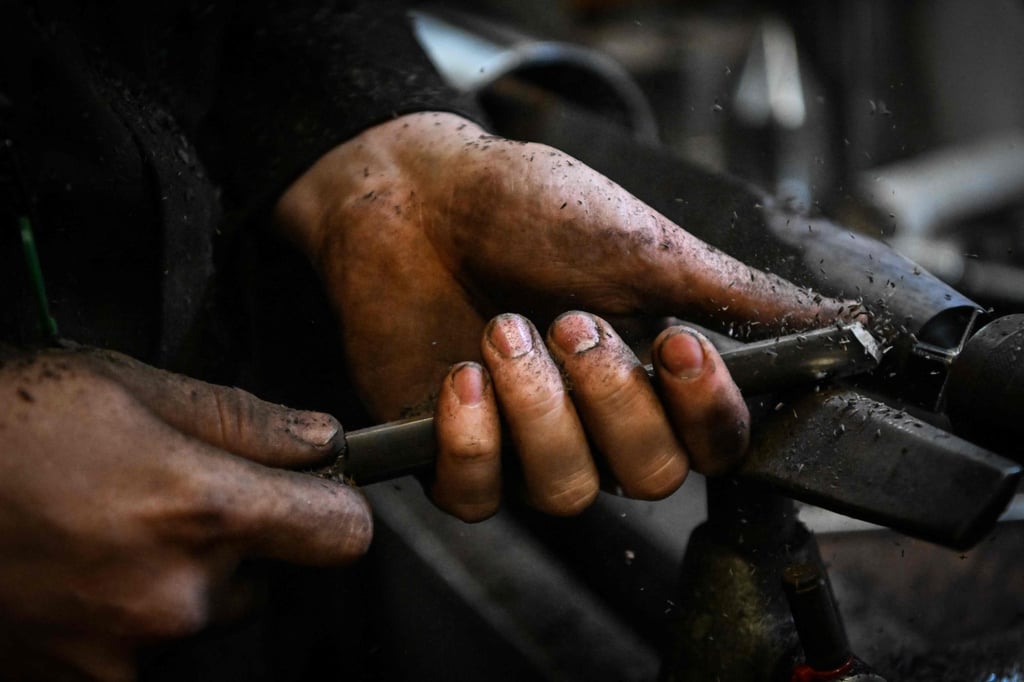
“At Kilberry, we’re one of the last artisan bagpipe makers – certainly in Edinburgh, the capital of Scotland – but probably all around the world,” Black said as he shaped a pipe with a lathe.