Advertisement

Reflections
Can there really be a God? Confucius did not care about the divine
Chinese philosopher Kongzi, also known as Confucius, put no faith in deities, preferring to focus on the here and now
3-MIN READ3-MIN
3

Having lived his whole life in the modern cities of Singapore and Hong Kong, Wee Kek Koon has an inexplicable fascination with the past.
While doomscrolling one sleepless evening I came across the Epicurean paradox, which argues that a deity who is simultaneously all-knowing, all-powerful and all-loving cannot exist.
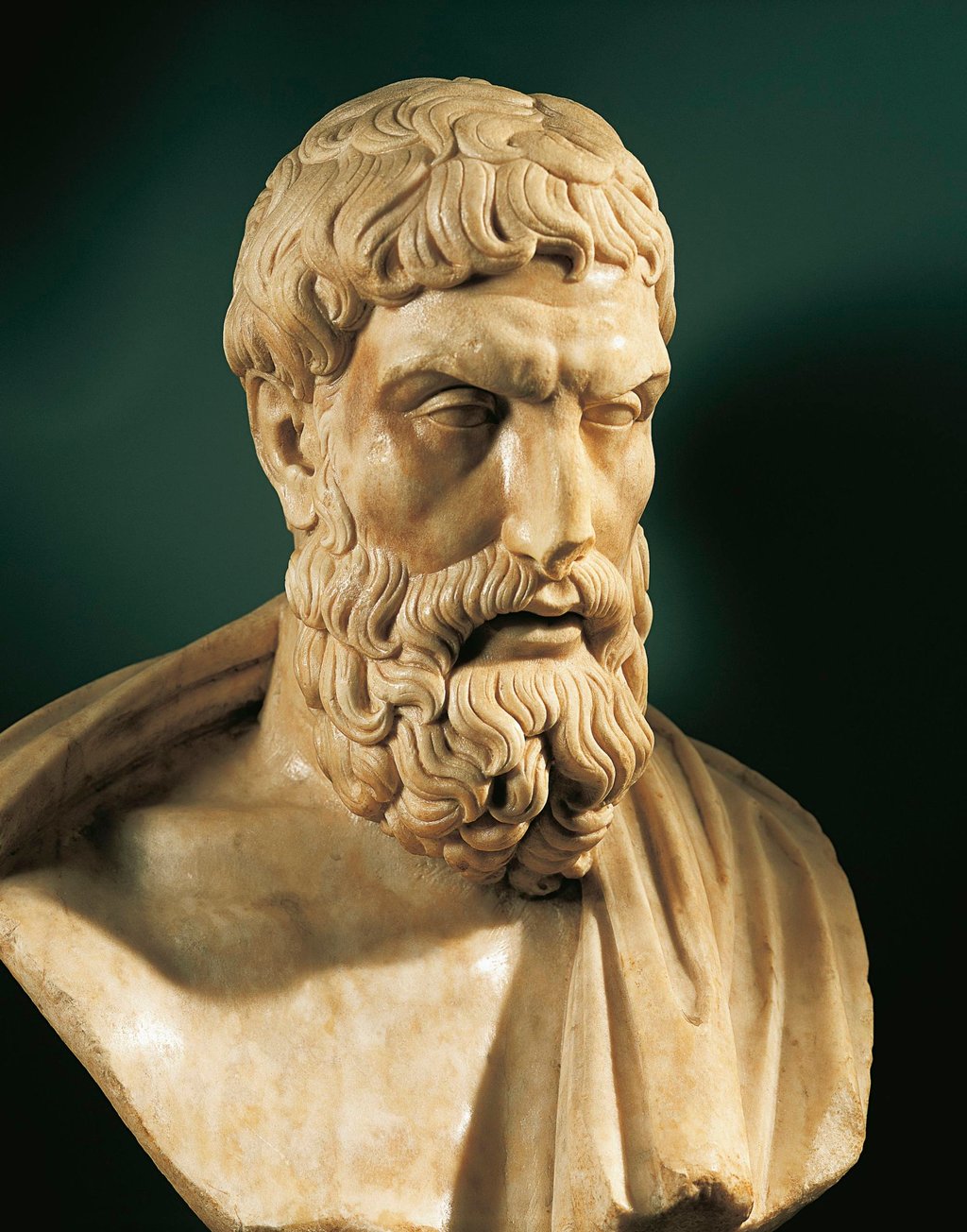
Attributed to Greek philosopher Epicurus (341–270BC), the paradox uses human logic to demonstrate the impossibility for such a god to coexist with evil in the world.
In a nutshell, a god who is all-knowing and all-powerful but does not use their omniscience and omnipotence to eradicate evil is not all that benevolent.
This argument echoes the doubts I had in my late teens about Christianity, the faith within which I grew up. At that age, my thought processes were less sophisticated, but essentially I was conflicted over the idea of eternal punishment for “sinners”.
God brings a certain person into being. In his omniscience, God is fully aware that this person – long before he or she exercises their “free will” to choose good or evil – will choose the latter and end up suffering for eternity in a place of fire and brimstone. And yet, God still brings this person into being.
Advertisement
Select Voice
Select Speed
1.00x