Extraordinary tale of Chinese-British collaboration revealed in new exhibition
The London show spotlighting an English botanist sheds light on 18th century science and exchanges between China and England

Winnie Wong, a professor at the University of California, Berkeley, was on holiday in the summer of 2019 when she received the kind of call historians dream of.
“I started screaming,” Wong says, laughing. “My family was like, ‘What?’”
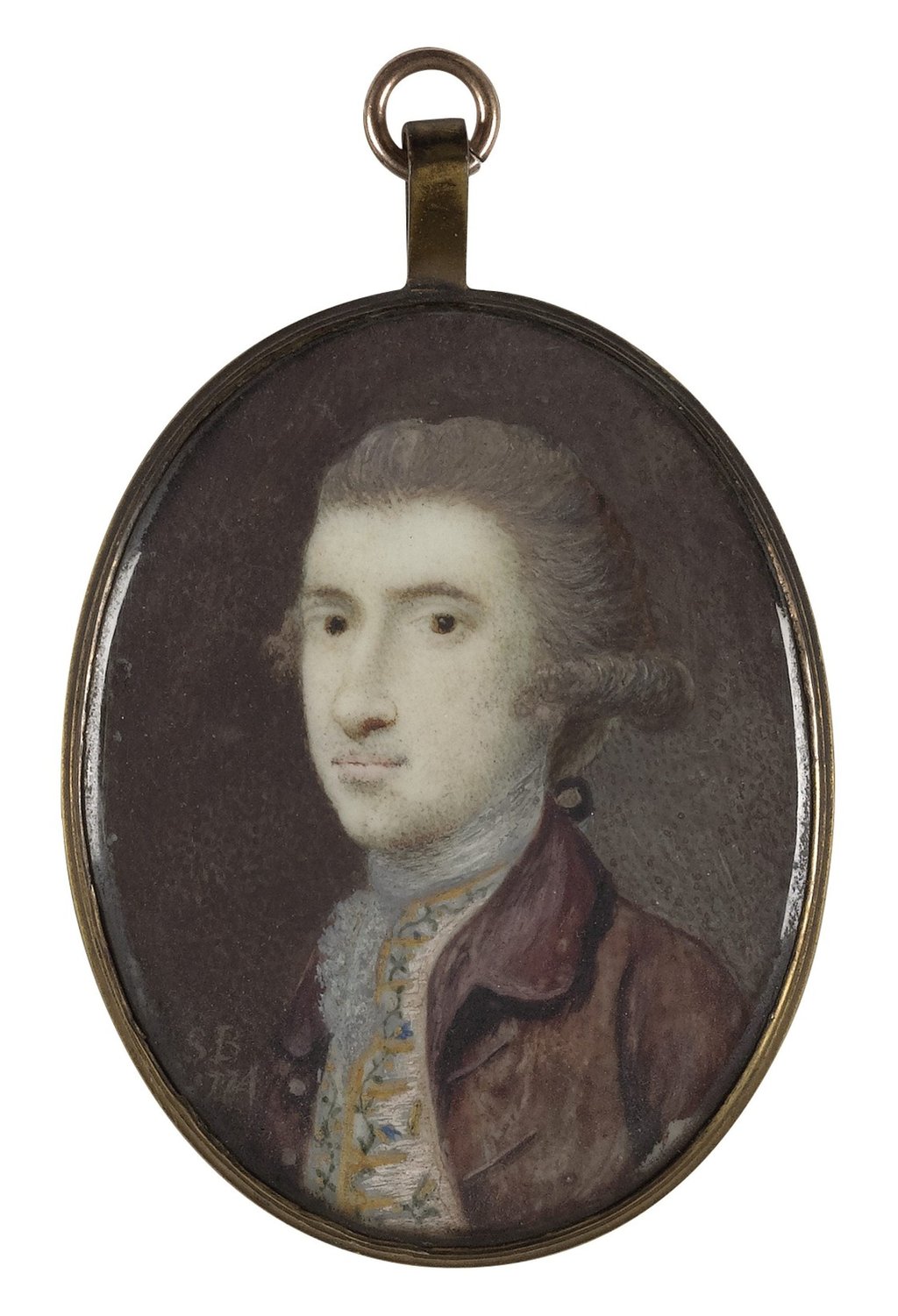
On the line was fellow historian Jordan Goodman, who had just visited the Canterbury Cathedral Archives & Library in England. There, he had discovered a trove of documents belonging to John Bradby Blake, an English botanist who worked for the East India Company in Canton (Guangzhou in southern China) between 1769 and his death in 1773, when he was just 28.
Both Wong and Goodman had spent years researching Blake, examining how this often overlooked figure shaped the art and science of his day. His life offers particularly interesting insights into the dynamic between Canton and London, as well as the movement of people and plants between the two in the late 18th century.