How Seoul’s National Museum of Korea is pulling in record crowds
The South Korean museum has changed its focus to engaging attendees rather than just showing them exhibits, and visitor numbers are rising

On a crisp morning in Seoul’s Yongsan district, visitors wait in line outside the National Museum of Korea, a cultural institution that has recently changed from a traditional repository of ancient relics into a lively space for daily activities.
Unlike European museums that rely heavily on international tourists, the museum has a strong domestic fanbase reflected in its visitor demographics. About 97 per cent of visitors are South Korean citizens, who have embraced it as part of their daily routines, according to the museum.
This unusual record is the result of a deliberate shift led by the museum’s Future Strategy Division, which shifted its focus from passive “visitors” who simply view exhibits to active “users” who engage with its architecture, digital data and recreational spaces.
“We realised the museum’s function had to change into a space optimised for various life stages, catering to the millennials and Generation Z who now visit night exhibitions alone or simply socialise, rather than feeling the need to see every single exhibition room,” says Jeong Myoung-hee, head of the Future Strategy Division at the museum.
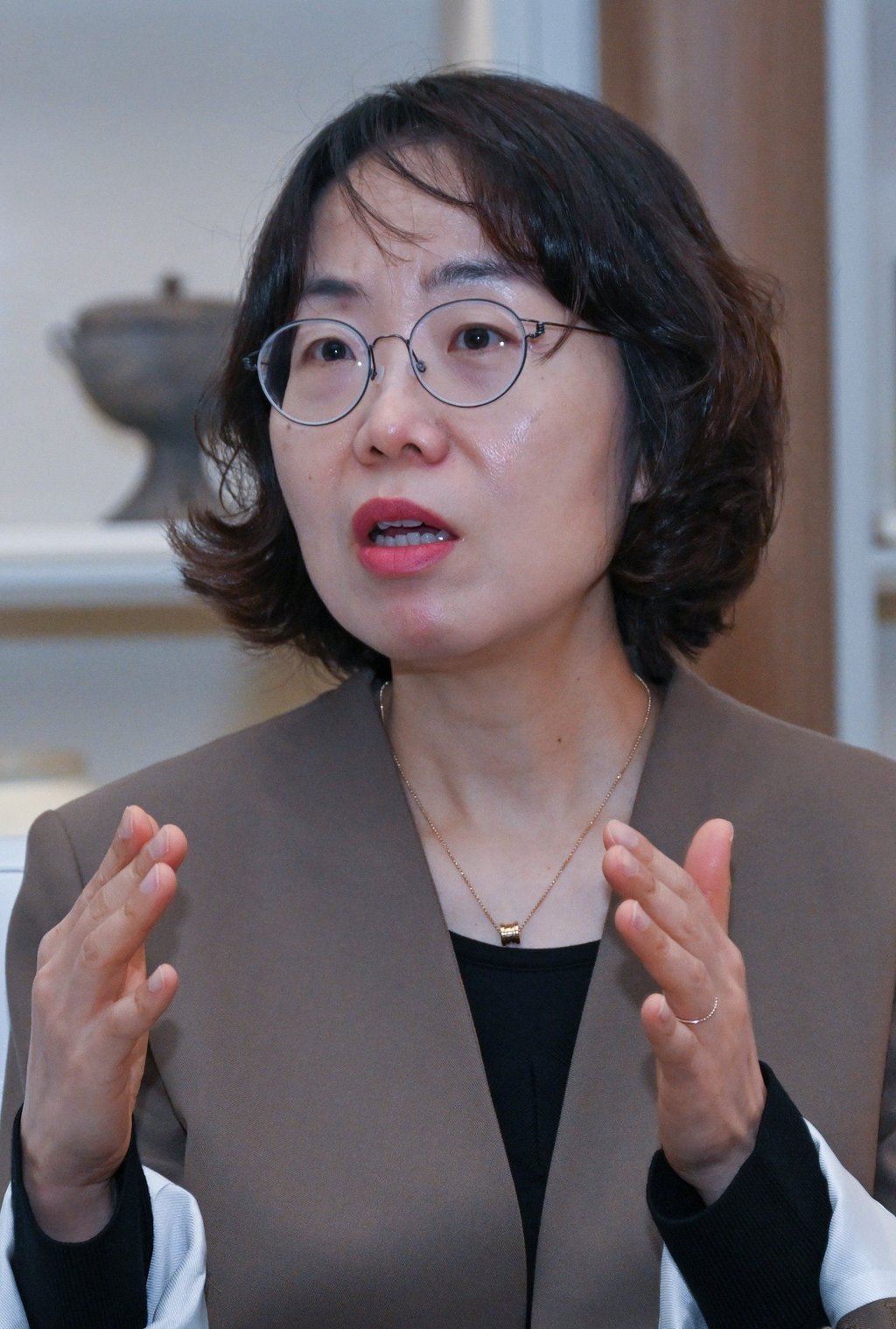
She says the museum’s relocation to the scenic Yongsan district two decades ago created a park-like environment, allowing citizens to form a closer connection with the space, transforming it into a place where people can enjoy nature and cultural performances any time.