What was it like to attend a Children’s Palace in China? A socialist institution revisited
The ‘Youth Palace’ exhibition at Shanghai’s Rockbund Art Museum looks at a socialist educational institution that promoted collectivism

On June 1, International Children’s Day, an exhibition opened in Shanghai that brought back memories of the time I spent in a Children’s Palace while growing up in mainland China.
During the 1950s, following the establishment of the People’s Republic of China, these state-run institutions were built nationwide as places where recreation, education and socialist ideals converged. I went to one for extracurricular dance, music, painting, science and sports classes.
Children’s Palaces drew on educational theories propounded in the Soviet Union by Vladimir Lenin’s wife, Nadezhda Krupskaya, and Anton Makarenko, an educator and social worker. Called Pioneer Palaces in the USSR, they were rooted in ideas of collectivism and moral cultivation through organised activities.
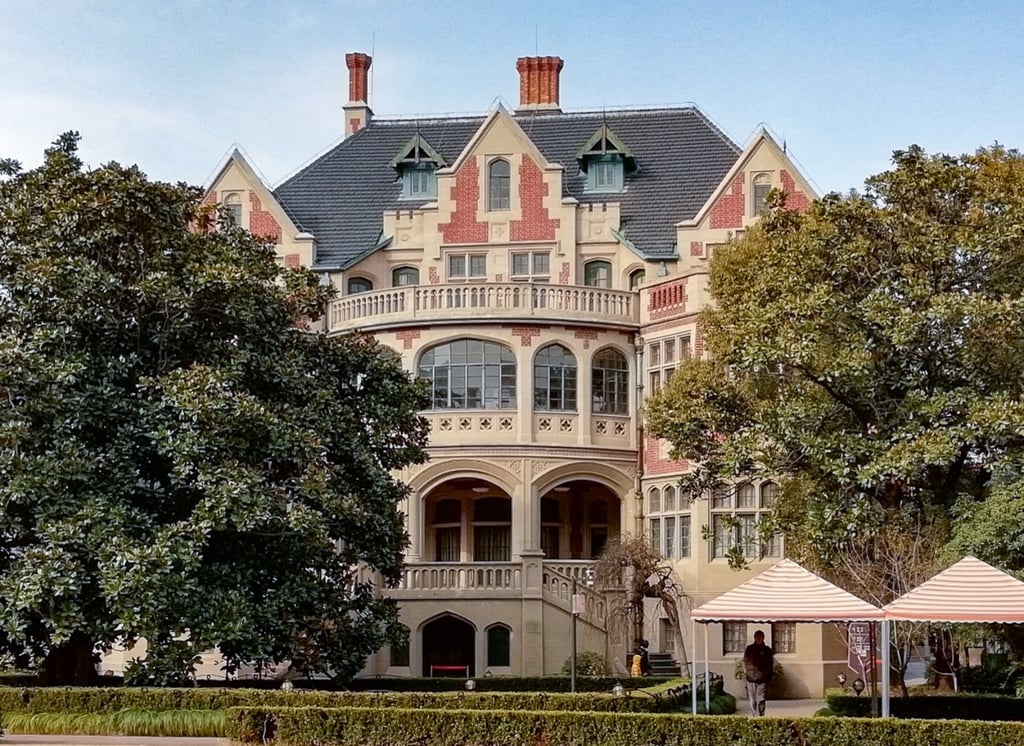
In 1953, the first Children’s Palace in China opened in Shanghai, in a grand, marble-clad mansion on Yan’an Road that had previously belonged to the wealthy Hong Kong-based family the Kadoories.
This was a powerful, symbolic gesture by the new People’s Republic: a colonial-era private mansion repurposed to educate children. Similar institutions spread across the socialist world, from Beijing to Pyongyang and Hanoi, creating a shared landscape of collective aspiration.
Growing up in mainland China in the late 1990s and early 2000s, I belonged to the last generation for whom Children’s Palaces still represented a shared cultural experience.