ReviewBook review: The Heart Goes Last by Margaret Atwood is all too horribly plausible
The dystopian new novel by the acclaimed author of A Handmaid's Tale and The Blind Assassin mixes poignant moments with grim comedy
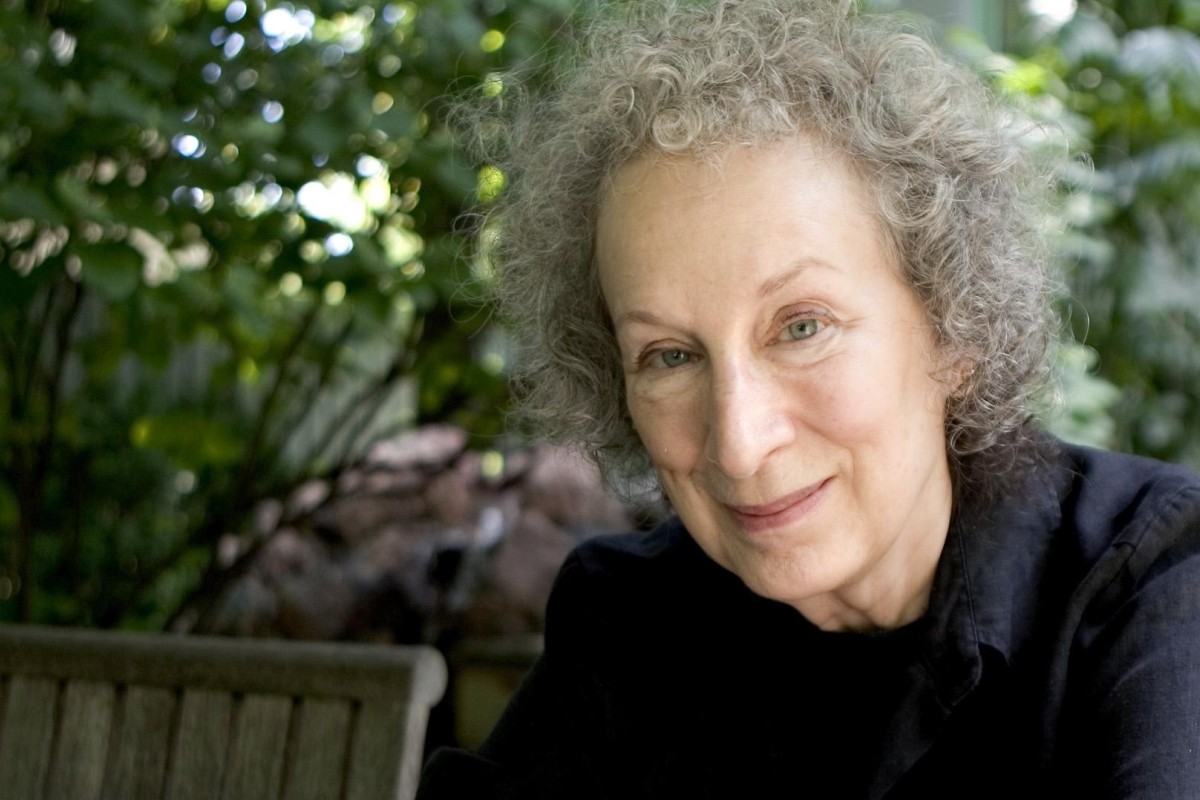


In recent years, Margaret Atwood – now 75 – has put many younger writers to shame with her enthusiastic early adopting of new technology, and her latest book, The Heart Goes Last, began life as four online short stories published in 2012 and 2013. Now expanded into a full-length novel, the story inhabits the kind of plausible dystopia familiar to admirers of Atwood’s brand of speculative fiction.
It’s more overtly comic than the MaddAddam trilogy, though it treats the same broad themes: environmental and economic decline, the social and bio-engineering we employ in the vain hope of saving ourselves, and the speed with which the most well-intentioned experiments fall prey to greed and corruption.
Stan and Charmaine have fallen on hard times. Stan has lost his modest job in robotics and their house has been repossessed. Now living in their car, they fend off nightly attacks by marauding gangs looking to steal the few possessions they have left. They live on fast food and sell their blood for small change; most people they know have turned to crime or prostitution.
This is not some bleak post-apocalyptic future, but a vision of the present in the collapsing manufacturing cities of the northeastern US, where ordinary people find themselves on the sharp end of economic trends they can’t even comprehend. “ … Trillions of dollars wiped off the balance sheets like fog off a window”.
Stan sees an advertisement for the Positron Project, a bold new social experiment intended to solve the problem of urban decay. Inside the divided town of Positron/Consilience, those who sign up are given a neat suburban house and full employment; in return, they swap their home every alternate month for a cell in Positron prison while their “alternates” take their turn at freedom.