Novelist Claire Vaye Watkins on world of permanent drought she imagines in American southwest
Watkins grew up in the Mojave desert, an environment that, contrary to popular belief, isn't hostile or evil but is simply indifferent to humans. Her debut novel, Gold Fame Citrus, is set in a world of permanent drought


Where did the idea come from?
The way I went about writing was by looking to the past. I was born in an area of California called the Owens Valley, and the Owens Valley was the site of what were called the California water wars in the 1920s, which was when the city of Los Angeles built their aqueduct systems because they realised they didn’t have enough water to make this major metropolis happen, and this dream of manifest destiny, the paradise, the Eden of America, come true. So they built this aqueduct system and one of the lakes it drained was Owens Lake, near where I was born.
You grew up in the desert, a landscape that comes with a lot of powerful associations …
I do find it revealing, the way that we talk about the desert as empty, or barren, just because it’s not a particular type of ecosystem. It’s often even personified in a very active, malicious way, like it’s vicious or brutal. But really it’s just indifferent. And that’s scarier than anything.
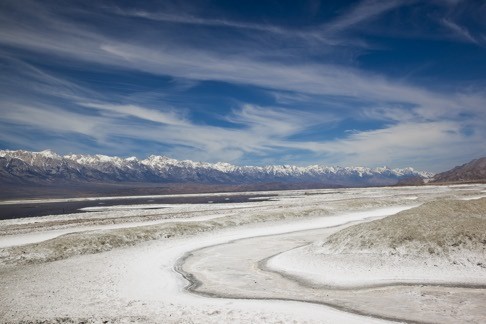
It’s not made for us, for people. And in the American west, we’ve spent a lot of energy, and money, and resources, and cultural narrative creating the idea that actually, we are supposed to be here, it’s our divine right to be in this dry climate in whatever numbers we want, and living whichever way we want. And during the course of writing this book, the absurdity of that narrative really was illuminated.