Book review: with Shylock Is My Name, Howard Jacobson subverts and deepens our understanding of Shakespeare
At times it verges on propaganda, but the Booker winner’s novel seethes in places with raw feeling, and delivers a final twist that rewards your perseverance

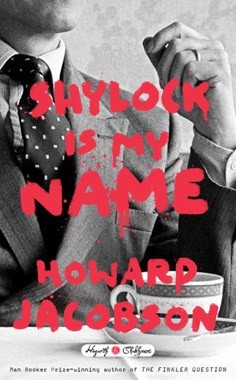
by Howard Jacobson
Hogarth

The figure of the unassimilated Jew, defiantly “other” in skullcap, gabardine and fringed garment, has been a source of Gentile unease for centuries. It is what fuels the plot of The Merchant of Venice, and its corollary – Jew-baiting – is what gives the play its uncomfortable immediacy.
Part of its disquieting power, in Shakespeare’s telling, is its unstable moral perspective: are we watching a play about anti-Semitism, or an anti-Semitic play? Unlike Malvolio, whose expulsion from the festive world of Twelfth Night is a cause for straightforward rejoicing, Shylock’s fall leaves us jangling with unresolved emotion, and the character lingers.
The new novel by Man Booker winner Howard Jacobson, part of a series of Shakespeare retellings commissioned for the 400th anniversary of the Bard’s death, makes bold use of this haunting persistence. In its opening scene, Simon Strulovitch – “a rich, furious, easily hurt philanthropist with on-again off-again enthusiasms, a distinguished collection of 12th-century Anglo-Jewish art … and a daughter going off the rails” – encounters Shylock in a Cheshire graveyard, transported to 21st-century England, but otherwise much as Shakespeare left him.