Author Mei Fong talks one-child policy’s mind-boggling impact on China
Probably the first writer to take a sweeping look at the origins and effects of the one-child policy, Fong considers the unintended consequences of a world without uncles and aunts - or daughters-in-law to care for the elderly


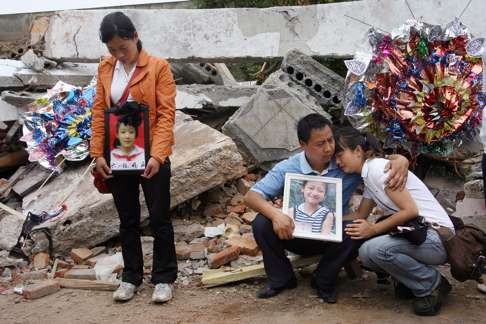
The policy may have ended, but Fong argues its impact is only just beginning to be felt. “Those that survived the Cultural Revolution are called the Lost Generation. Those born under the one-child policy are being called the Lonely Generation,” Fong says. Based on her own extensive reporting of everything from the Beijing Olympics to the 2008 Sichuan earthquake, a single man caring for his mother to a doctor who performed 1,500 forced abortions, Fong tells James Kidd about a policy that has already changed the world.
Your new book examines China’s one-child policy. The subject seems at once blindingly obvious and intimidatingly vast.
I always wanted to be a writer, but I said I am not going to write something unless I have something to say. The policy always seemed to be the one interesting, single issue about China. It astonished me that very little had been written about it. Nothing that took a big sweeping look at its origins and effects.
This was a very radical change. For millennia everything in China was informed by the family and the clan. Your name, for example: your surname comes first; you are second. All of that is gone, like Latin. Words like aunt and uncle no longer apply when you don’t have siblings. It completely reordered society. China is now the second-largest economy. Anything that has to do with the make-up of that economy clearly matters to the world today. Economically it matters. Socially it matters. In the West, 120,000 children were adopted from China as a result of the one-child policy, most of them girls. That has also changed the world.