
What China’s shift from feudal to imperial system tells us about today’s political climate
China’s first emperor ended 800 years of feudalism, then the imperial system was replaced in 1912. Political shifts are a constant of history

We are living in unsettling times. Many are predicting that the existing world order, with which we are so familiar, will soon be a thing of the past, to be replaced by might-is-right belligerence, extreme nationalism and economic protectionism.
If we feel anxious about the tremors rattling an 80-year-old global order that only began after the end of World War II in 1945, imagine how the Chinese people felt when the world they had known for 800 years was upended before their eyes.
In 221BC, the Qin dynasty unified China. But what was so significant about this event that occurred over 2,200 years ago? After all, the Chinese nation splintered and reunified multiple times during its history; dynasties rose and fell by the dozens.
What the Qin did that was so staggering in scale and imagination was that it replaced, virtually overnight, a political system and social order that had been in place for eight centuries with a new one.
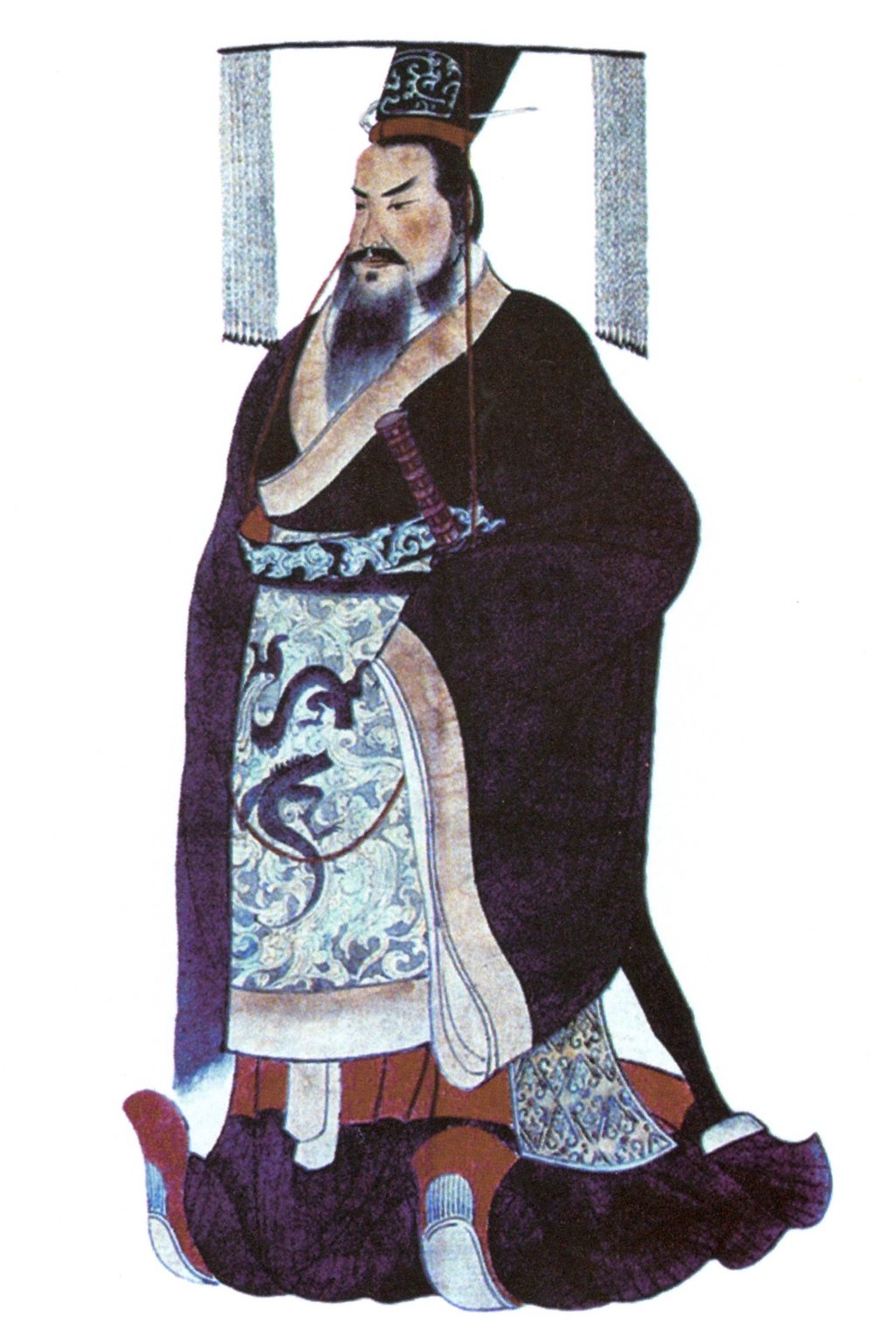
For over 800 years from around 1050BC to 221BC, China was organised as a feudal state under the Zhou dynasty.