How the Qin dynasty’s ruthless ruler forged China’s first united empire
From standardising writing and currency to burying scholars alive, Qin Shi Huang ruled China’s first imperial dynasty with might and fury

To understand Chinese culture, it is necessary to go back to the very beginning of its civilisation. In this series, we look at the most influential dynasties in Chinese history and how each, with its technological inventions and cultural advancements, helped propel the nation forward.
The Qin dynasty was the first unified imperial dynasty of China. It was also one of the shortest.
Although its reign, from 221BC to 206BC, only lasted 15 years, the Qin dynasty is widely regarded by Chinese and Western scholars as the beginning of a new age – the Chinese empire – that would prevail until 1911.
The king of Qin, known for his revolutionary yet ruthless reign, rose to the throne in 221BC. Unlike preceding Chinese rulers, he governed not under the title of king but as emperor, adopting the name Qin Shi Huang.
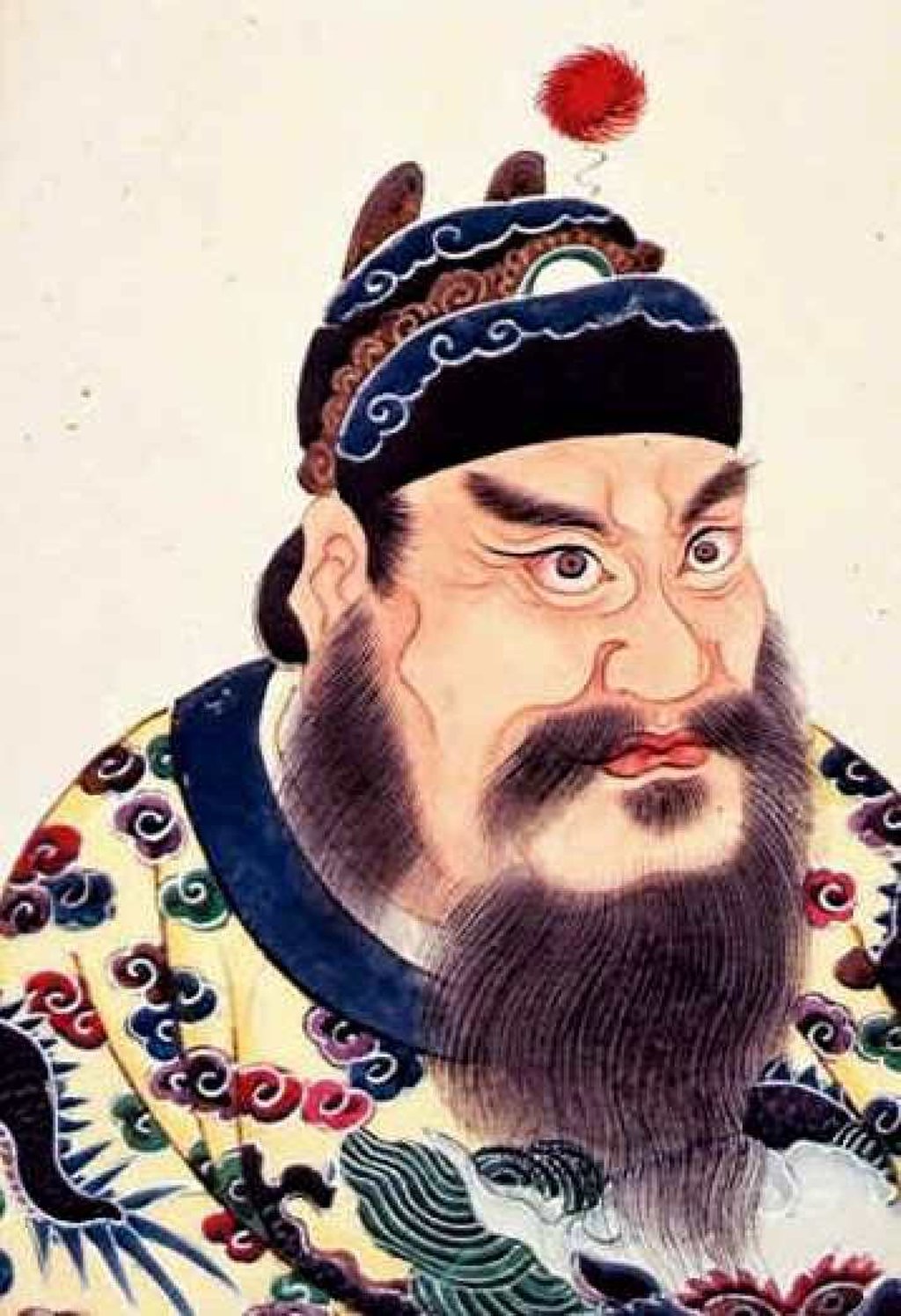
His overhaul of government policies to consolidate his power, as well as technological advancements made during his rule, would directly affect the culture of this era, from art and music to food and fashion.