How Boston’s Chinatown overcame constant threats to win its place in history
New England’s last surviving Chinatown, Boston Chinatown has long suffered hostile urban renewal but now its community is stronger than ever

Chinatowns are often portrayed as gritty underworlds riddled with prostitution, gambling and drug trafficking. Some of this is rooted in truth, but that unfair depiction is largely the result of rampant xenophobia and cultural ignorance, especially in the West.
For decades, Boston Chinatown’s 150-year story of immigration, survival and community-building was excluded from the official civic story.
But today, the Chinatown story is enshrined in both the Immigrant History Trail and Women’s Heritage Trail as a modern counterpoint to Boston’s Freedom Trail, established in 1951 to record the city’s public history.
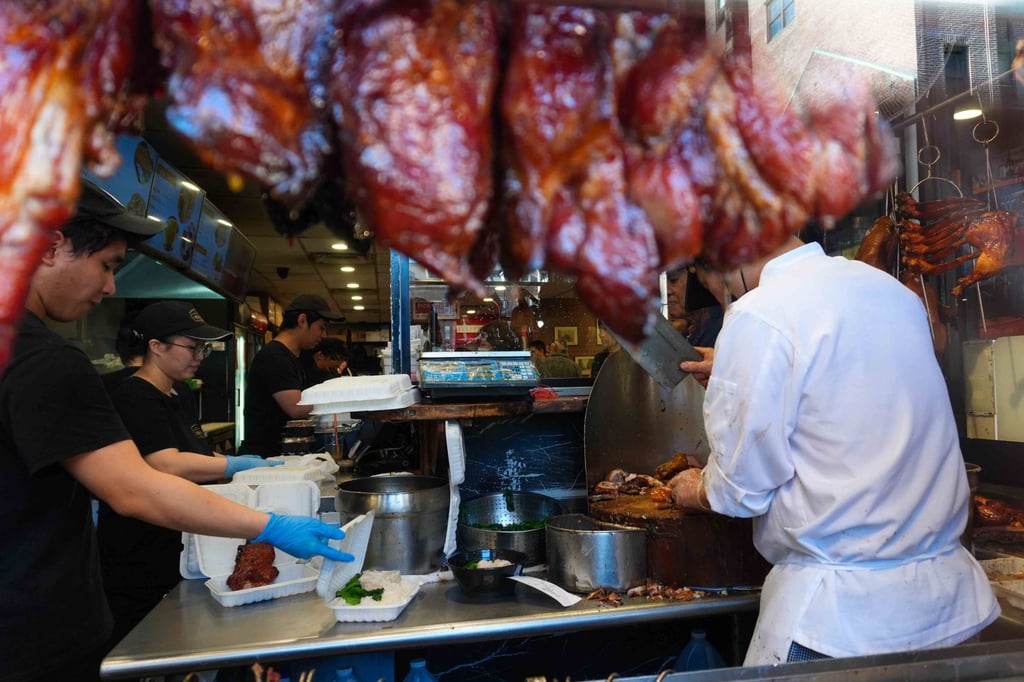
Chinatown’s place in Boston was hard-won, stubbornly written into the city’s narrative after decades of activism and advocacy by the community and its allies.
While there have, at one time or another, been Chinatowns in other cities in the United States’ New England region – such as in Providence, Rhode Island – Boston’s is the only one that has survived. This is despite massive urban renewal projects throughout the 20th century physically shrinking the neighbourhood and threatening its very existence.