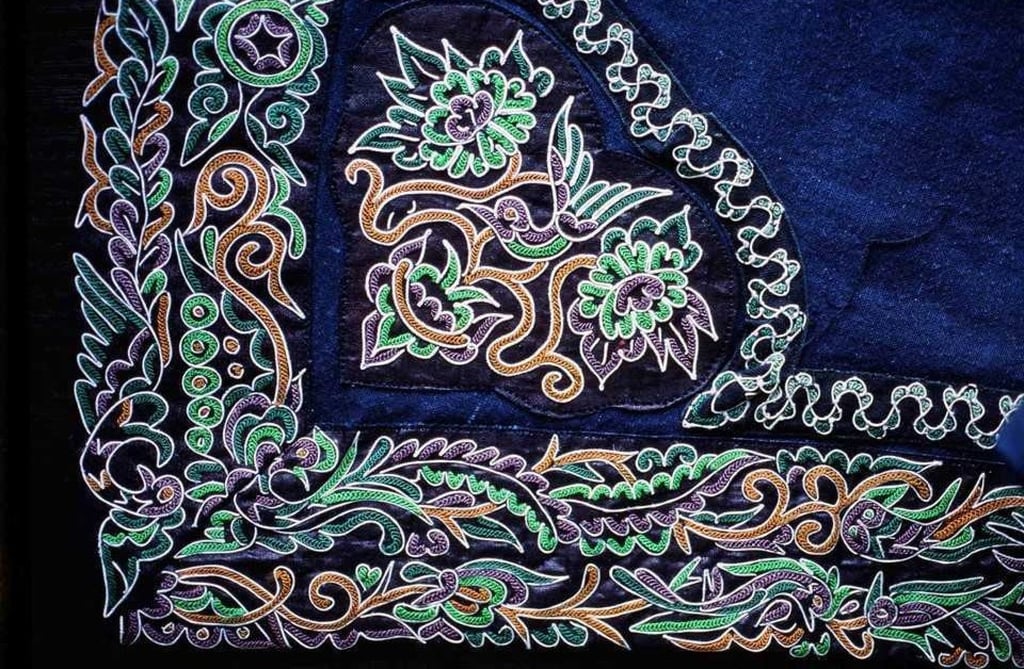
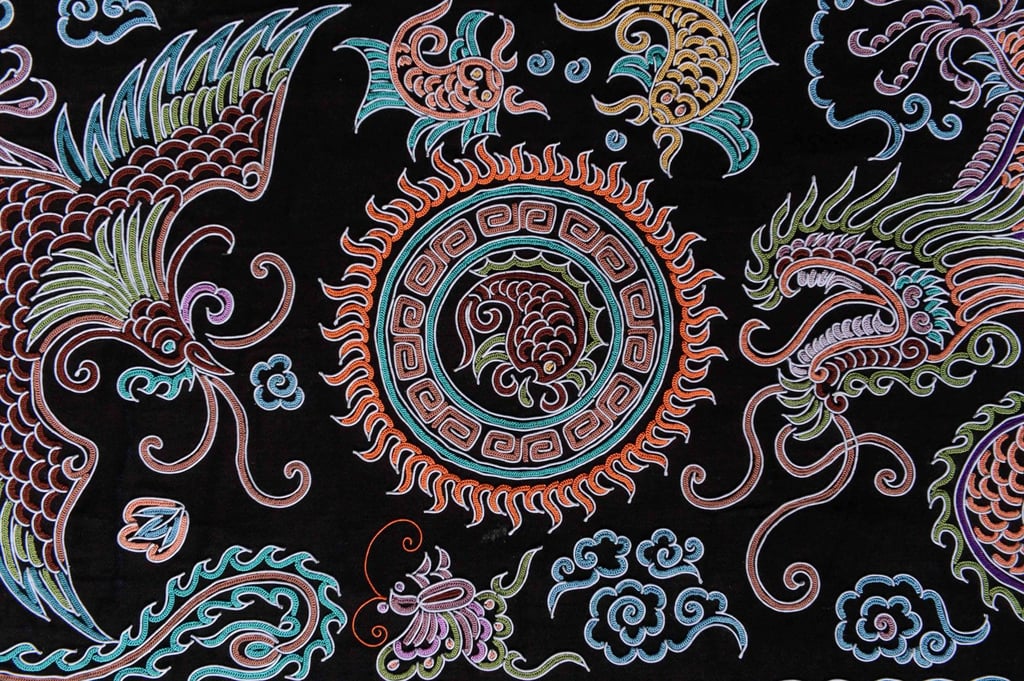
Chinese minority’s beautiful embroidery uses horsetail hair for intricate designs
A craft passed down for thousands of years, the horsetail embroidery of China’s Shui people is deemed a local intangible cultural heritage

Past its decorative surface, embroidery serves as a universal language – an art form that allows disparate cultures to express shared values of identity, resilience and storytelling.
While the specific stitches vary by geography, the impulses of the craft – from Japanese Sashiko to Palestinian Tatreez to Indian Kantha – remain the same: to leave a tactile mark of one’s history on the world.
In Sandu Shui Autonomous County in China’s Guizhou province lies the heartland of Shui horsetail embroidery, a textile art using horsehair that has connected the region’s Shui ethnic minority across generations. Dubbed a “living fossil” of the Shui, it was recognised as an intangible cultural heritage in Sandu County in 2006 by China’s Ministry of Culture.
There is no record of the origin of Shui horsetail embroidery, a craft that has been passed down for thousands of years, mainly through the community’s women.