
What common Lunar New Year snacks in China, Singapore and Malaysia symbolise
Lunar New Year treats in China vary from those in Singapore and Malaysia, for which some question whether they are truly ‘Chinese’

My favourite part of the Lunar New Year, the first day of which falls on February 17 this year, is the festive sweets and snacks. When I was a child and compelled to visit relatives in my large extended family – most of whom I did not even like (and still don’t) – my only real solace was the smorgasbord of titbits laid out in their homes.
I ate as many of their snacks as I could, perhaps as a small act of revenge for having my day ruined. Or perhaps I was simply a greedy child.
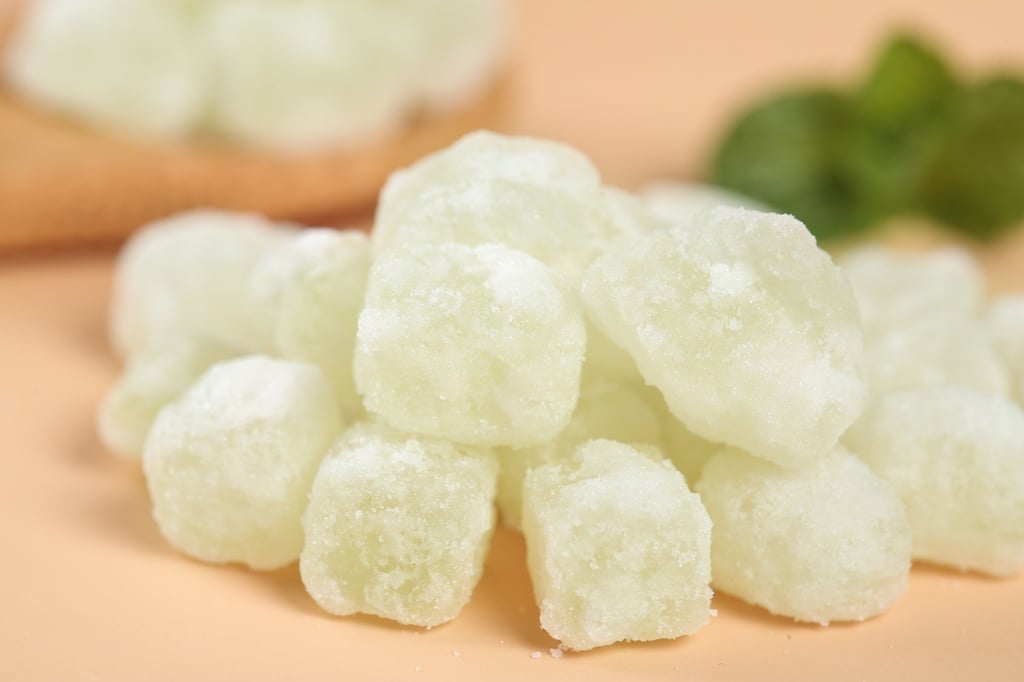
Candied winter melon is one of the most popular festive treats. Winter melon’s naturally long shelf life made it well suited to premodern New Year preparations, while its transformation into a translucent, sugar-crusted sweet came to embody the wish for a “sweet start” to the year.
Candied lotus seeds draw on the deep cultural symbolism of the lotus, long associated with purity, fertility and togetherness because of its thin, stringlike fibres that remain connected even when the root is cut. They are a favoured New Year snack for families hoping for strong bonds and continuity across generations.